


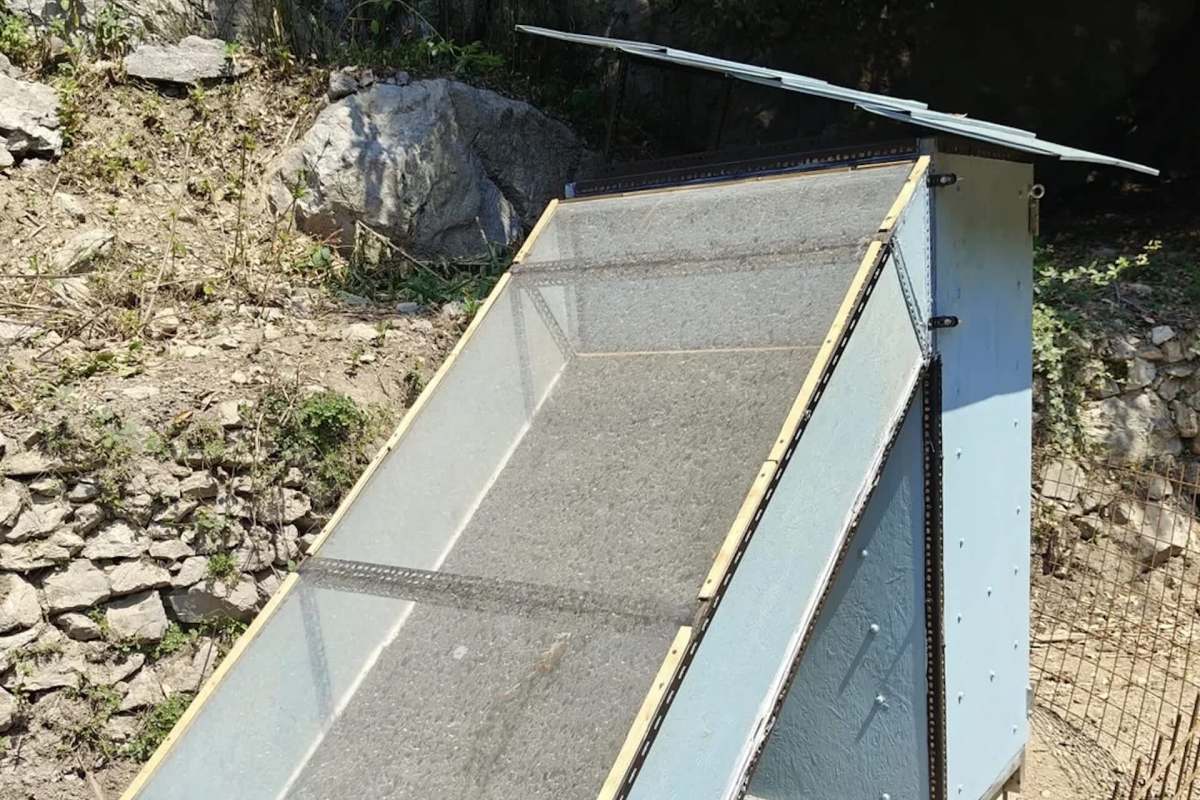
A homemade solar dehydrator is drawing attention online for turning extra garden produce into shelf-stable food with little more than sunshine, airflow, and clever design.
What happened?
In a post shared with Reddit's r/Permaculture community, the original poster explained that the setup was built to handle surplus harvests: "Some of you asked me what we did with the all the extra produce, so here is the solar dehydrator we build to dry our fruits, herbs and vegetables."
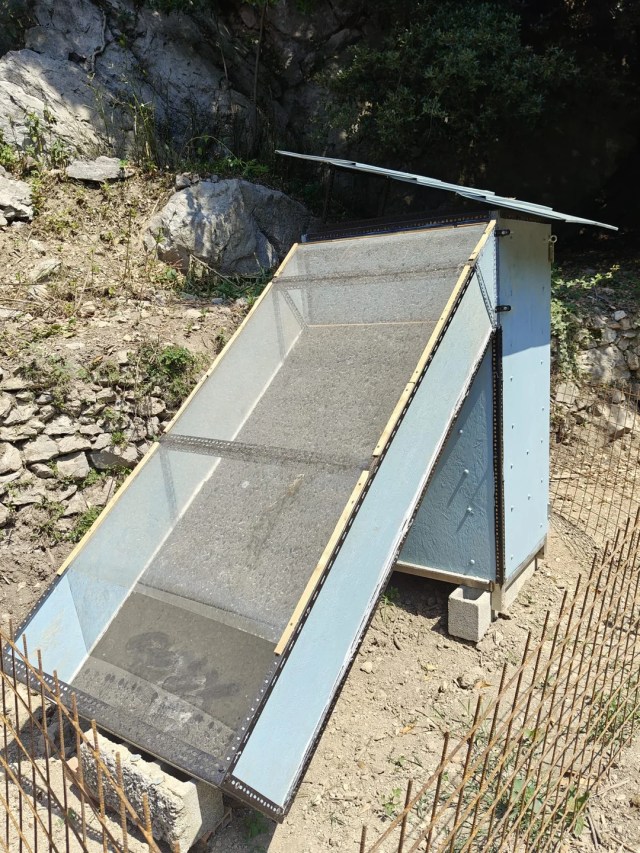
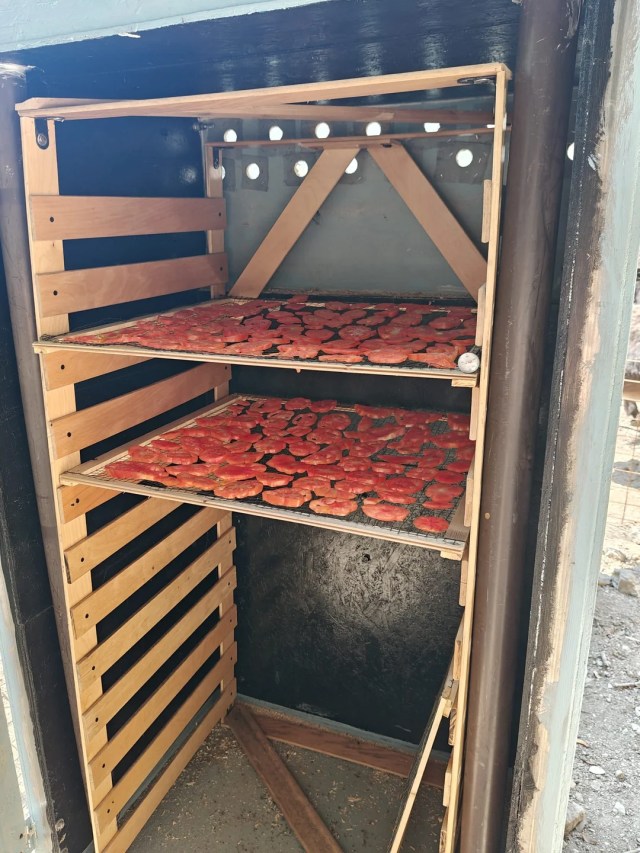
Before reaching the drying chamber, air moves through a slanted collector under a clear cover, where sunlight heats dark metal and creates the warm flow that enters the box.
The original poster added, "The temperature midday reaches around [140 degrees Fahrenheit] inside sufficient to dry most things in 2-3 days."
When one commenter asked about the "slide part," the builder offered a simple explanation: "It is to warm up the air. The sun goes through the transparent sheet and hits the black metal plates underneath that warm up the air."
The same commenter wrote: "Honestly, pretty ingenious — letting physics do the work for you."
TCD Picks » Quince Spotlight
💡These best-sellers from Quince deliver affordable, sustainable luxury for all




Why does it matter?
Food waste often starts at home, especially during peak growing season, when gardens produce more than a household can eat fresh.
A low-energy dehydrator offers one way to stretch that harvest, helping preserve herbs, fruit, and vegetables before they spoil.
That can translate into meaningful savings for people who garden, shop at farmers' markets, or buy produce in bulk. Drying food for later use can reduce grocery bills, cut down on waste, and lower reliance on electric appliances, especially for those living in sunny climates or those who already enjoy DIY projects.
At the same time, this type of setup is not a perfect solution for everyone. It requires some building know-how, a suitable outdoor space, and weather conditions that cooperate.
One commenter noted, "We made one of these but the humidity here has been an issue. It's still a work in progress for us."
Sunshine alone is not enough; local climate and airflow also affect how well a setup like this performs.
What can I do?
Food preservation can start small. Home gardeners can dry herbs on racks, use screened boxes in warm weather, freeze extra produce, or share surplus with neighbors before it spoils.
Among the practical lessons in the thread: dark materials can help capture heat, a transparent cover can hold in warmth, and the path for incoming and outgoing air needs careful planning.
In humid areas, a passive system may need adjustments, or it may work more slowly than an electric dehydrator.
Local extension offices and food safety guides can help with safe drying methods, especially for fruits and vegetables intended for storage.

Get TCD's free newsletters for easy tips, smart advice, and a chance to earn $5,000 toward home upgrades. To see more stories like this one, change your Google preferences here.






