


A Pennsylvania family worried that living next to a noisy garage might make it hard for a dog to feel comfortable at home.
Instead, that concern led them to the ideal companion: a deaf pup.
For Smudge, a shelter dog who had already endured a difficult start, the unexpected match became a much-needed second chance.
What happened?
Authorities removed Smudge from a neglect situation involving 21 other dogs when he was just 2 months old, and the Pennsylvania SPCA took him in. He was adopted after only a brief time there, but about a year later, that family said they could no longer care for him, so he ended up back at the shelter.
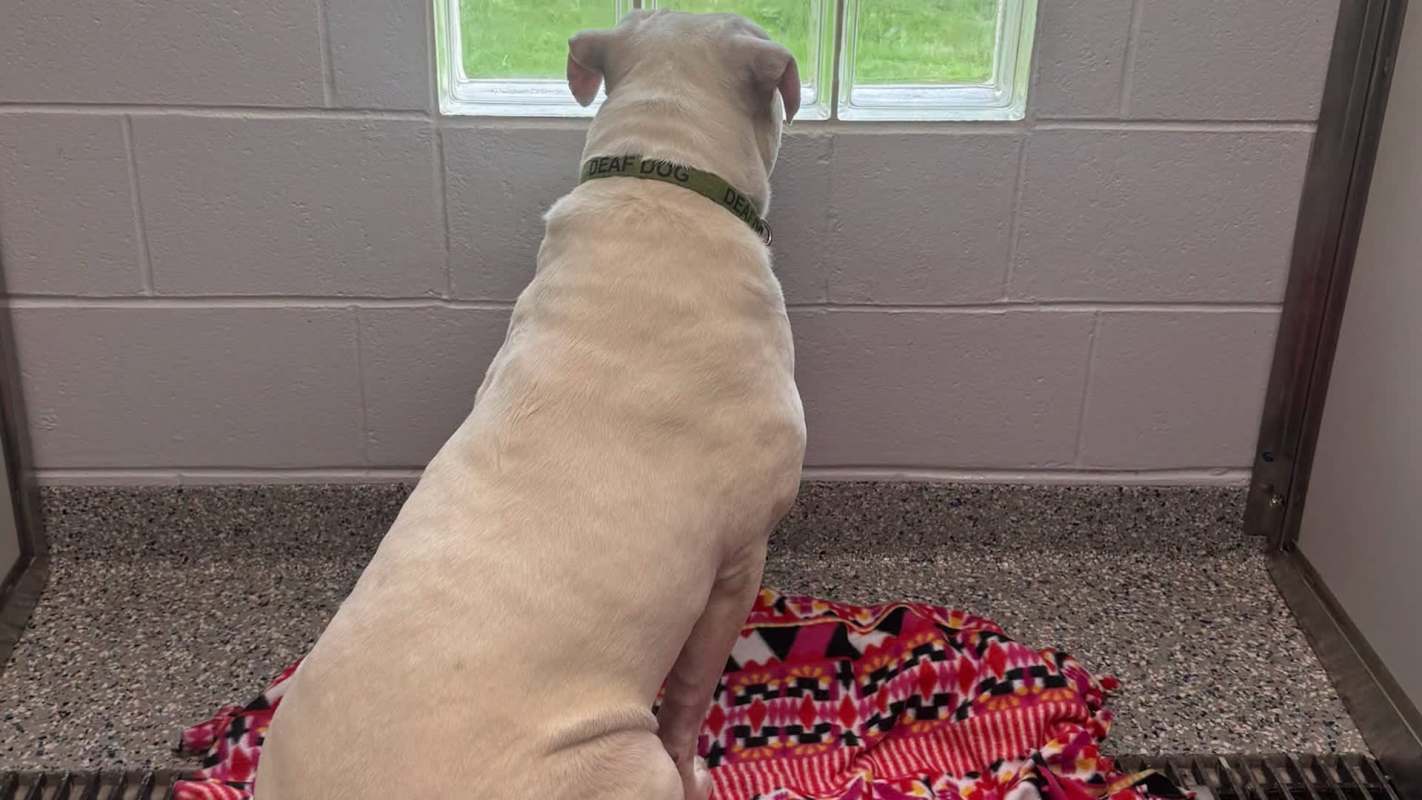
Because Smudge is deaf, the return was especially tough for him, The Dodo reported. The shelter's unfamiliar setting overwhelmed him, and rescue team member Lindsey King said it was emotional to watch him sit alone in his kennel and stare out the window.
Shelter staff took their time building trust with him, even using shadows on the wall to get his attention.
"He was happy to see us and came up to take treats from the kennel," King said.
TCD Picks » Good Store Spotlight
Get 10% off your next purchase with code TCD10




A breakthrough came when a family visited the shelter looking to adopt but shared a concern about their home: They lived beside a loud garage and worried the noise would bother a dog.
Once staff heard that, they realized Smudge might be exactly the right match.
Why does it matter?
Animals with disabilities are often overlooked, even though they can make wonderful companions with the right support.
Shelter environments can already be stressful because of constant barking, movement, and change. For a deaf dog, that can mean needing extra patience and care to feel secure and build trust with people.
Adoption is not simply about placing an animal in any home — it is about finding the right home. What may have seemed like a drawback for one family, living in a noisy location, turned out to be a strong fit for a dog who experiences the world differently.
That kind of careful matchmaking can lead to better outcomes for both pets and adopters. Rather than forcing a situation that was not ideal, shelter staff paid close attention to Smudge's needs and the family's concerns and helped create a match that worked for everyone.
What's being done?
At the Pennsylvania SPCA, Smudge's training continued through visual communication, with staff relying on hand signals instead of spoken commands. That approach helped him grow more confident in the way he connected with people.
"Deaf dogs just need a little more attention, but many, like Smudge, [catch] on quickly," King said.
That kind of training can play a major role in making animals with special needs more adoptable while also reducing their stress in shelter settings.
When Smudge met the family, staff showed them exactly how they communicated with him.
"When I showed them how we communicated, not only did Smudge light up, but the family did as well," King said. "They were so excited to learn his signals and see how he knew them and loved working this way."
Smudge is now doing well in his new home, while his sibling Omicron is still waiting to be adopted.
"Every animal deserves someone who sees past the circumstances and sees them," PSPCA wrote in a Facebook post. "For Smudge, that someone came along at just the right time. Happy Home achieved."

Get TCD's free newsletters for easy tips, smart advice, and a chance to earn $5,000 toward home upgrades. To see more stories like this one, change your Google preferences here.






