


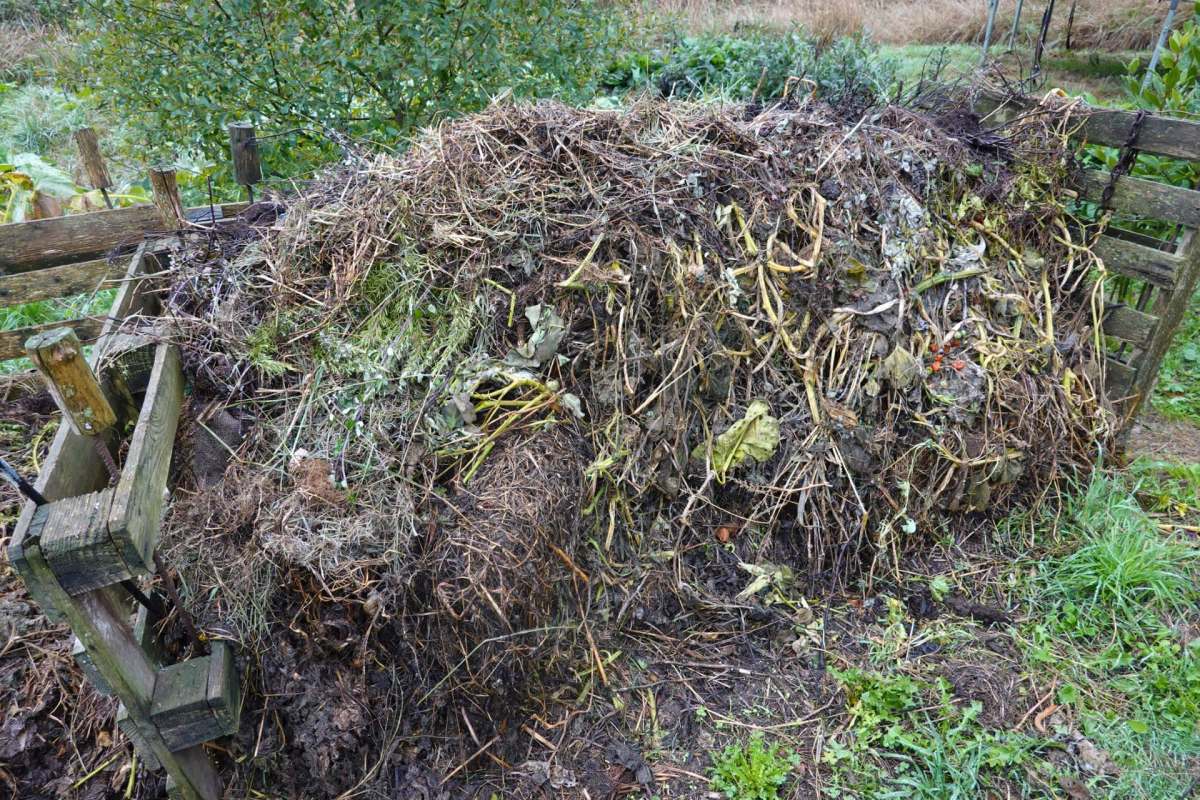
A Reddit composting post drew a mix of curiosity and alarm after one user said a roadkill deer had gone straight into the heap.
"Guys, I put an entire deer carcass in my pile today," the original poster wrote, adding, "But it just feels like I'm going down a dangerous path." The post was titled, "Have I gone too far?"
Here's what to know
In Reddit's r/composting community, the user said the pile was already "about 10 yards" and, in their view, large enough to conceal the carcass for proper decomposition.
The discussion that followed focused less on whether it would decompose and more on practical concerns like smell and scavengers. One commenter got straight to the point, saying, "I wanna know how bad the stench will get."
Much of the advice pointed to adding plenty of carbon-rich materials, including wood chips, leaves, cardboard, and paper.
One commenter explained, "You know water filters use carbon to filter out odors, right? What is most of what we're composting? Paper, cardboard, wood chips, leaves, all carbon and all absorb smells."
TCD Picks » Quince Spotlight
💡These best-sellers from Quince deliver affordable, sustainable luxury for all




That same commenter offered a more concrete rule of thumb. "Two feet of wood chips will absorb dead deer smells. That's the standard the PA dept of enviro protection enforces," they said.
More background
Compost can be one of the most useful tools in a home garden. Healthy compost improves soil structure and can reduce the need to buy fertilizers or bagged soil amendments. In turn, gardening can help households save money on produce, grow fresher, better-tasting food, and support mental and physical well-being through time outdoors and regular activity.
Most home compost piles are meant for kitchen scraps, leaves, grass clippings, and other plant-based materials, so a whole deer carcass falls far outside what many gardeners would consider normal.
A workable compost pile relies on the right mix. Bigger piles can build heat that helps tougher material break down, and carbon-heavy ingredients can soak up extra moisture and odor. If that balance slips, bad smells can hang around, and pests may show up quickly.
What can be done?
To stay manageable, a compost pile needs adequate space, plenty of dry carbon-rich material, and regular attention so odors and animal problems do not take over.
Sticking with common inputs such as food scraps, leaves, untreated cardboard, and yard waste is the simplest route. Covering wet or nitrogen-rich material with browns can also help reduce smells and make the pile easier to manage.
Compost becomes even more valuable when it helps support a productive garden. If you want to turn food scraps and yard waste into something useful, growing your own food can help stretch grocery budgets while giving you more control over flavor and freshness.

Get TCD's free newsletters for easy tips, smart advice, and a chance to earn $5,000 toward home upgrades. To see more stories like this one, change your Google preferences here.







