


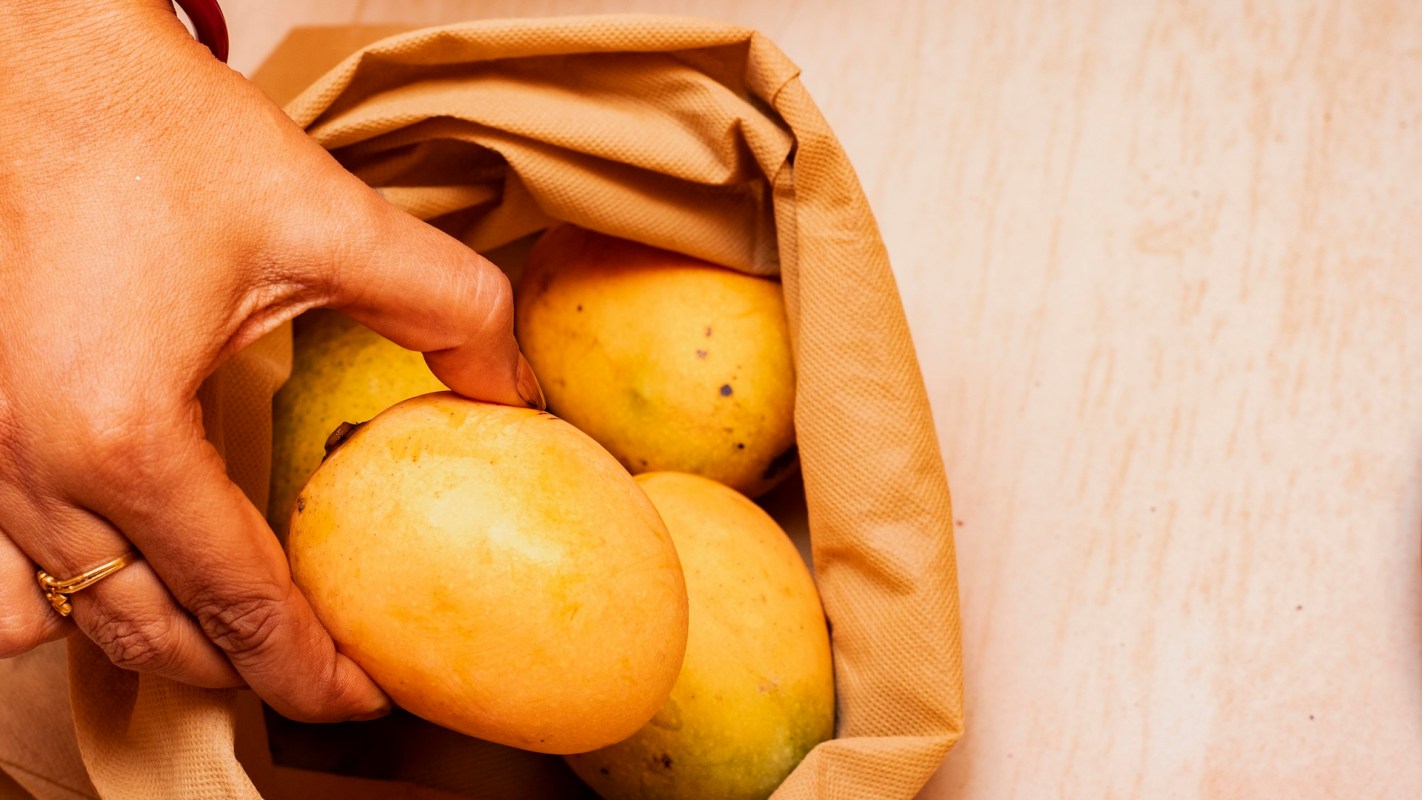
A person composting at home has run into an unusually specific consequence of a near-daily mango-eating habit: too many mango pits.
With about 50 to 60 seeds already sitting in their bin, the individual took to the r/composting Reddit community looking for what to do with the growing pile of pits.
What's happening?
The original poster explained that their compost setup had been working well for months before mango season changed the equation.
"I started composting my waste about 4-5 months back and it's going great. I live alone, so it's been easier to manage my waste," the poster wrote.
However, issues arose from their love of mangoes.
"I eat one almost every single day. I probably have 50-60 accumulated mango seeds in my bin and I don't know what to do about them," they wrote. "Please help me. It's clogging my bin up. And the worst part, I don't intend on stopping."
TCD Picks » Quince Spotlight
💡These best-sellers from Quince deliver affordable, sustainable luxury for all




Luckily, the comment section was full of helpful advice.
Why does it matter?
Bulky, fibrous scraps can create problems even for people who compost regularly, especially when they take longer than usual to decompose.
Commenters noted that mango seeds do break down eventually if they get enough time, moisture, and biological activity. As one person put it, "my mango seeds from last year have mostly broken down. You can always chop it up with a machete or something to speed it up."
Another commenter mentioned the hügelkultur method, a gardening technique that uses buried logs, branches, and other organic materials to create raised beds that retain moisture and slowly release nutrients as they decompose. In this case, the mango seeds could act as a base for a garden bed, adding to the soil's nutrition while letting water and air flow.
Composting food scraps can reduce the amount of household waste going to the trash while also creating nutrient-rich material for soil.
That healthier soil can help home gardeners grow stronger plants, potentially save money on produce, enjoy fresher fruits and vegetables, and spend more time outside in ways that support mental and physical health.
What can I do?
If large seeds are gumming up a compost bin, one approach is to use them as a slow-breaking bottom layer in the style of hügelkultur instead of letting them clog the more active center of the pile.
For people who want the material to break down faster, commenters also recommended chopping tougher scraps with a hatchet or machete or just mashing them with a hammer.
"Sounds like an excuse to expand your compost operation and toss them in the next pile," another user added.
"Time and worms will take care of just about anything," another said.

Get TCD's free newsletters for easy tips, smart advice, and a chance to earn $5,000 toward home upgrades. To see more stories like this one, change your Google preferences here.






