


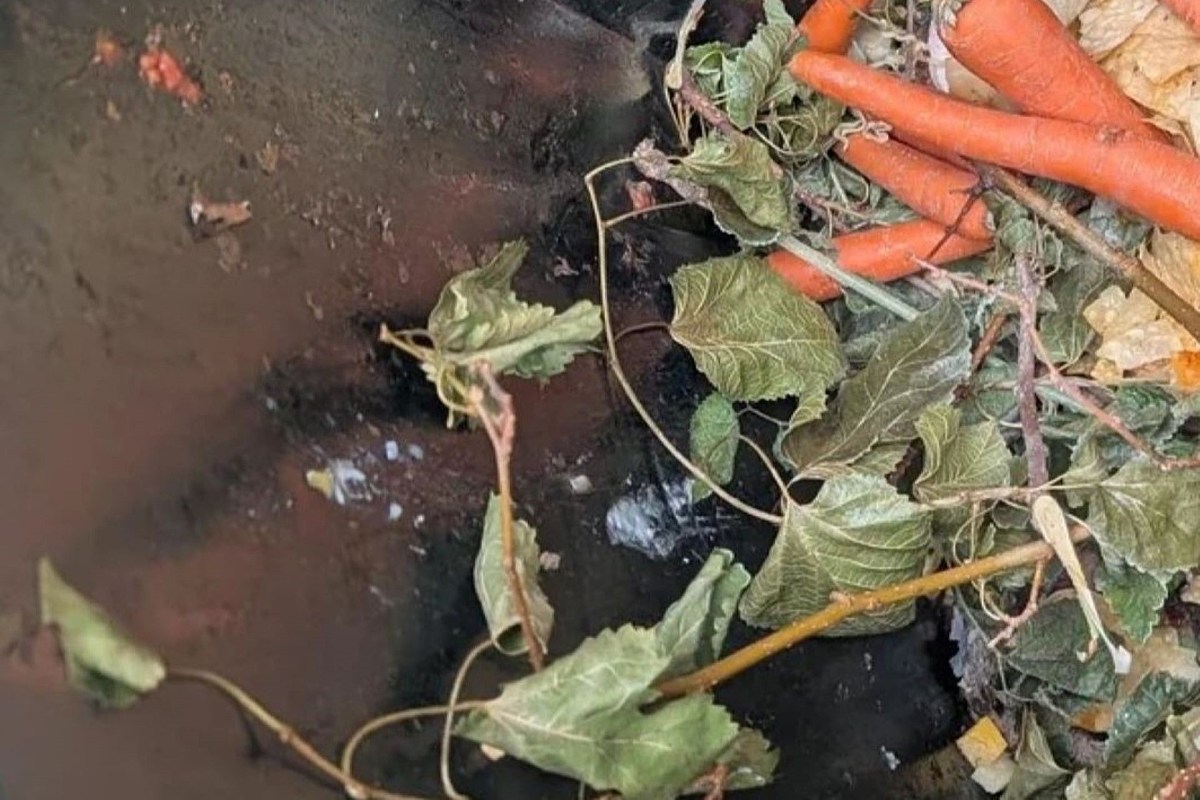
One family new to composting has found that the process can bring enthusiastic children, questions about urine, and even an unexpected appearance of black soldier fly larvae.
What happened?
In a Reddit post in the r/composting community, one newcomer to composting shared a cheerful snapshot of the household's new habit: "We just started composting, what a fun journey!"
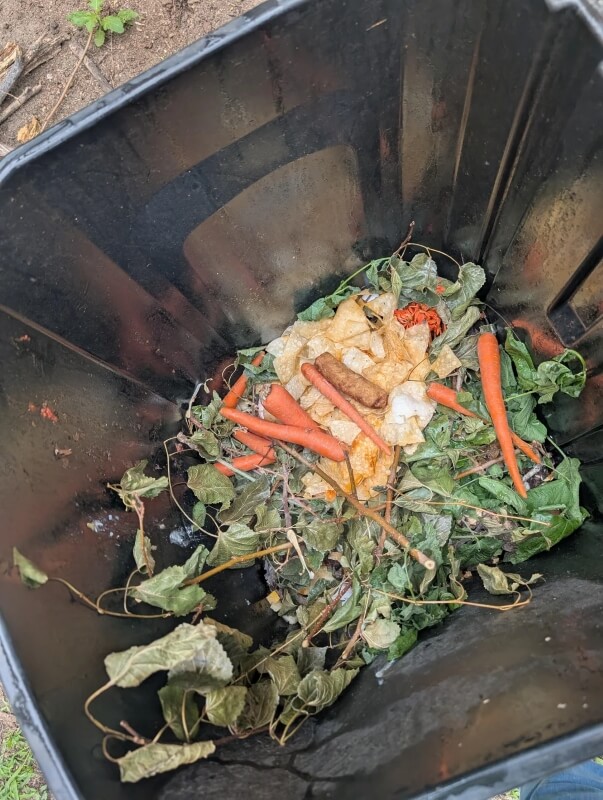
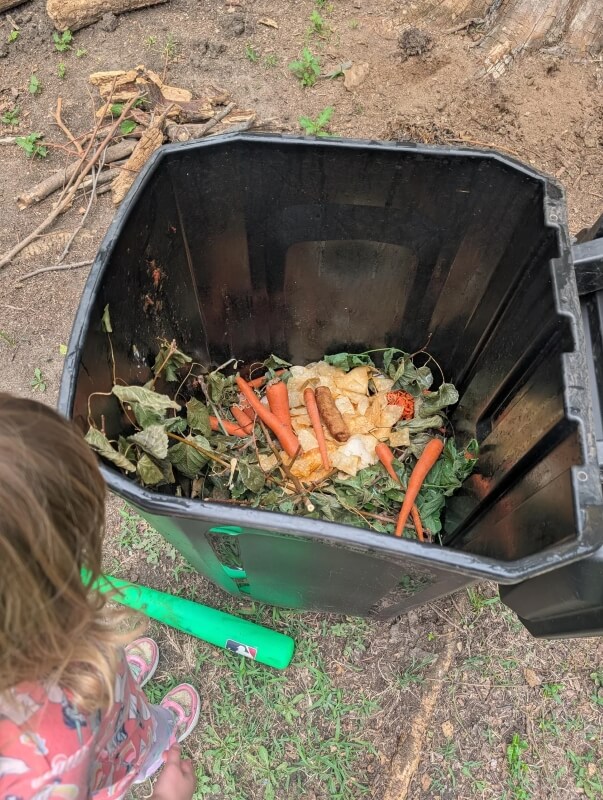
The new composter's bin delivered one of its first big surprises when it filled with black soldier fly larvae.
Along the way, the poster said they were also learning practical lessons, such as chopping scraps into smaller pieces to help them break down more quickly.
Far from turning the family off, the project seems to have become part of daily life. The children now look forward to visiting the bin, and the poster added that "my husband is absolutely delighted to pee in it," providing a source of nitrogen-rich liquid, which can help to break down some of the material.
"Our kids get so excited to go see the compost and throw things in every day," the poster wrote. "We open the lid and my daughter goes 'EWWWWWWWWW' but doesn't shy away."
TCD Picks » Quince Spotlight
💡These best-sellers from Quince deliver affordable, sustainable luxury for all




Replies also included practical advice, with one commenter noting that food scraps usually need enough dry material to stay balanced: "I would try to add about an equal amount of 'browns': dead leaves, small twigs, shredded cardboard."
Why does it matter?
Composting is one of the simplest ways households can reduce food waste. It can also shift how families think about leftovers, spoiled produce, and what belongs in the trash.
Several commenters described getting more use out of ingredients before composting them. One wrote, "When I peel carrots, I freeze the peels and use them to supplement making stock. I also save celery ends and onion trimmings. After cooking them for stock, I can compost them as well."
It also connects directly to gardening. Finished compost can help nourish soil in vegetable beds, making it easier for households to save money on produce, enjoy fresher and often better-tasting fruits and vegetables, and build habits that support both mental and physical health through time spent outdoors.
Black soldier fly larvae can look alarming, but many composters see them as a sign that food scraps are breaking down quickly.
What can I do?
For beginners, the comments offered a basic blueprint: use what you can first, then compost the rest.
One commenter summed it up neatly: "Veg-maxing: Fresh and crispy: eat them! Limp: hydrate them and eat them. Limp beyond repair: veggie stock. Peels and ends: veggie stock. Leftover pulp from stock: compost."
Others suggested simple ways to rescue produce before it reaches the bin. "You can also get a few more days out of limp carrots by submerging them in water for a few hours. Celery too," one commenter wrote.
If you do compost, balance wetter food scraps with dry "browns" such as shredded cardboard, leaves, or twigs, and do not panic if the pile starts attracting decomposers.

Get TCD's free newsletters for easy tips, smart advice, and a chance to earn $5,000 toward home upgrades. To see more stories like this one, change your Google preferences here.







