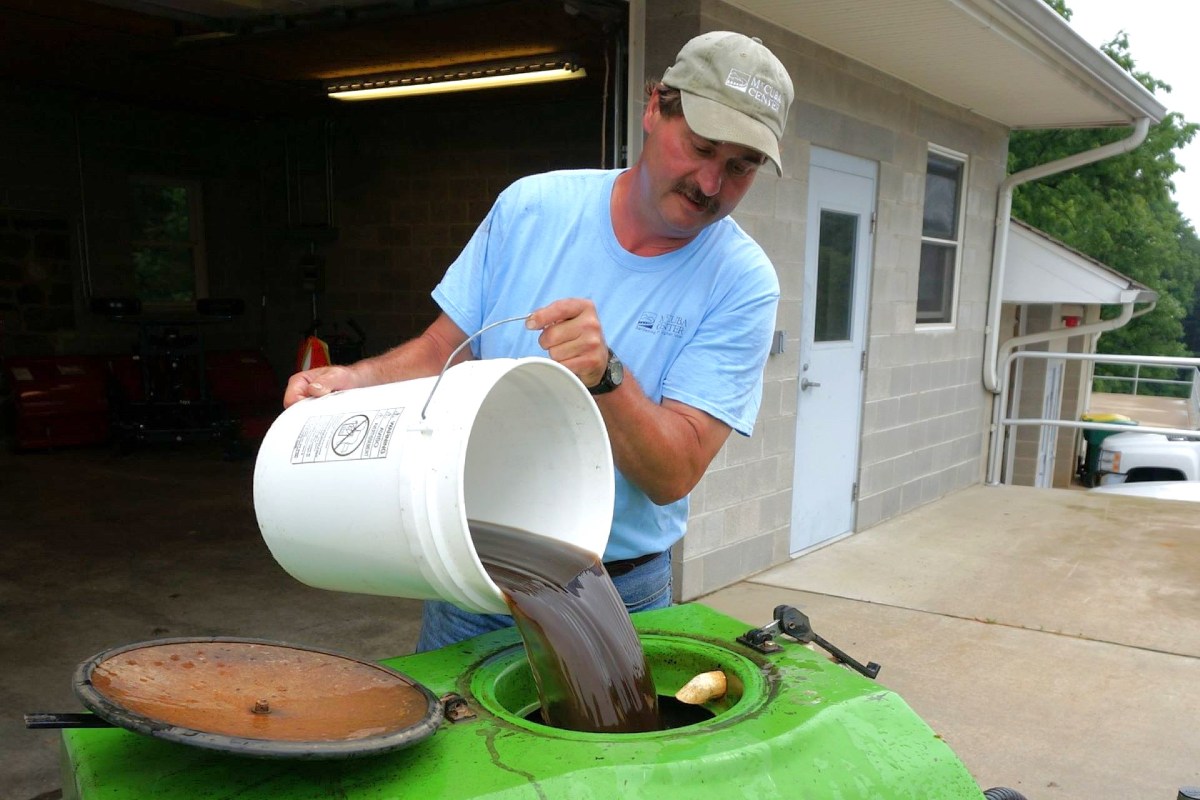
A bucket of compost soaking overnight may not sound like a breakthrough in yard care, but an Instagram post from Mt. Cuba Center suggests a greener lawn can start with what is happening below the surface.
Instead of reaching first for synthetic products, the idea is to feed the soil — and let the soil help feed the plants.
What's happening?
On July 15, Mt. Cuba Center highlighted part of its lawn-care routine by posting a photo of the equipment it uses to make compost tea for its "organic turf program."
The group explained the process, writing, "A mesh bag filled with compost is steeped overnight in an aerated tank of water, mixed with a kelp extract, and applied directly to the turf with a sprayer."
While compost tea has long been discussed in gardening circles, its role in an organized turf program offers a practical example of how compost can go beyond the backyard pile.
Why does it matter?
Lawns and landscaped areas cover huge amounts of space, and conventional turf care often relies on synthetic fertilizers and chemical treatments that can wash into waterways or disrupt the balance of living soil. A compost-based approach points to a lower-impact alternative.
TCD Picks » Quince Spotlight
💡These best-sellers from Quince deliver affordable, sustainable luxury for all




When people build healthier soil with compost and other organic materials, they can often grow stronger plants with less reliance on additional products.
For anyone raising herbs, fruits, or vegetables, that can mean lower grocery costs and fresher, better-tasting produce right from the yard or patio. Gardening can also deliver benefits that go well beyond food. Time spent planting, watering, and maintaining a yard or garden can support mental well-being, reduce stress, and add light physical activity to everyday routines.
Nurturing the soil can help create landscapes that are more resilient, more productive, and often easier to manage over time.
What can I do?
Homeowners do not need a large aerated tank to borrow from this idea. One simple place to start is by using finished compost in garden beds, around ornamentals, or as a light top-dressing in parts of the yard that need a boost.
For edible gardens, compost can help improve soil structure and moisture retention while supporting the microbes that help plants access nutrients. If you want to build on that approach, TCDs Guide has a page on growing your own food that offers practical ways to get started.
For lawns, mowing higher, leaving some grass clippings in place, and reducing chemical use where possible can support healthier soil without requiring a full overhaul overnight.
As Mt. Cuba Center put it, "It's Tea Time!" The group said the brew "adds beneficial microbes and nutrients back to the soil in a way that is readily available for plants to use."

Get TCD's free newsletters for easy tips, smart advice, and a chance to earn $5,000 toward home upgrades. To see more stories like this one, change your Google preferences here.