


At a community garden, one grower is finding out how difficult it can be to turn an abandoned plot into a tiny vineyard when weeds keep coming back faster than the desired plants.
The roughly 1,000-square-foot space is supposed to support grapevines with a low layer of ground cover, but tall, fast-growing weeds continue to break through.
Here's what to know
In a post in Reddit's r/Permaculture forum, the original poster said they had taken over a community garden plot that had been left unattended for several seasons. After clearing it, they began planning a "micro vineyard" that would use clover, grasses, and short native plants as the understory.
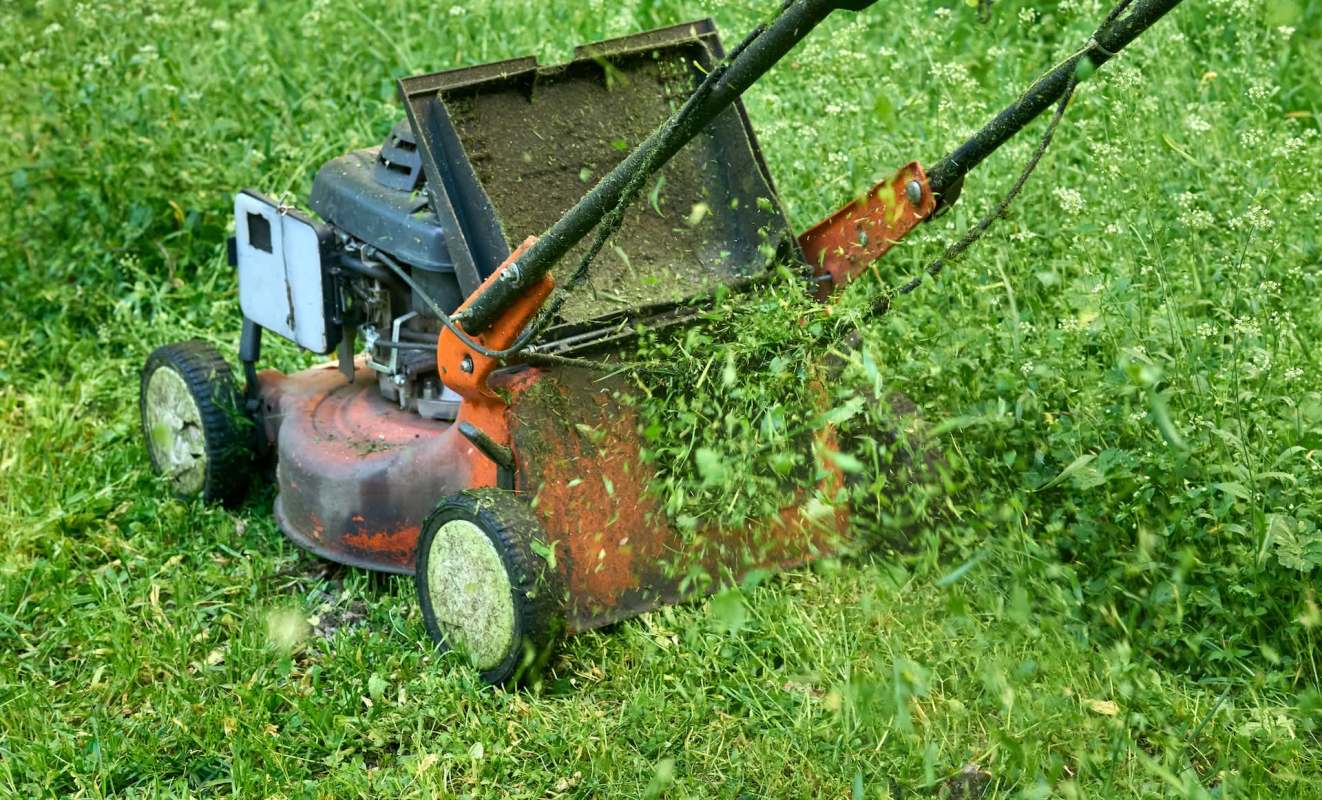
The poster said cardboard had some success blocking growth from below, but it did not prevent new weeds from sprouting from seed before the grass and clover created enough shade to suppress them. "My current plan of attack is to let everything grow, but to cut it back before it goes to seed," they wrote, while asking whether mowing repeatedly and tilling might lower weed pressure.
Commenters generally agreed that stopping weeds from reseeding is a sensible place to start, but they also noted that the type of weed matters a lot. If the plot is dominated by perennials, repeatedly cutting them back may not solve the problem because they can return from roots and rhizomes.
One commenter warned that tilling could backfire, writing, "Tilling is also going to churn up more seeds from the seed bank." What looks like a fresh start can sometimes trigger another round of weed growth.
TCD Picks » Quince Spotlight
💡These best-sellers from Quince deliver affordable, sustainable luxury for all




More background
A big takeaway from the discussion is that gardeners trying to avoid herbicides often need different strategies depending on whether they are dealing with annual weeds, perennials, or plants that spread underground.
For many growers, the goal is larger than simply removing weeds from a bed. They may also be trying to improve soil, create habitat for pollinators, and grow food at lower cost. Backyard gardens and community plots can reduce produce spending, provide fresher food, and offer mental and physical health benefits through time outside and regular activity.
Those advantages can be harder to realize when a garden has built-up weed pressure from years of neglect. A living ground cover may help with erosion and soil quality, but if the area is not stable first, it can also leave space for more unwanted plants to emerge.
The Reddit thread also underscored a practical conflict in the project. While some commenters suggested mulch or occultation with tarps, the original poster said those approaches would get in the way of establishing the low, mixed ground cover they want around the vines.
What can be done?
The choice of control method may work better once the weeds are identified. Cutting before seed set can help reduce annual weeds, while perennials often need repeated pressure that weakens the energy stored below ground.
One commenter explained the idea behind frequent mowing this way: "Think of the root as the battery and leaves as solar panels."
People who want to avoid chemical weed killers may also look at hand-pulling, shallow hoeing, spot sheet mulching around selected plants, or temporarily smothering parts of the plot that have not yet been planted.
Restoring a neglected garden usually happens in stages rather than all at once, especially when the aim is to build a productive space that remains healthy over multiple seasons.

Get TCD's free newsletters for easy tips, smart advice, and a chance to earn $5,000 toward home upgrades. To see more stories like this one, change your Google preferences here.







