


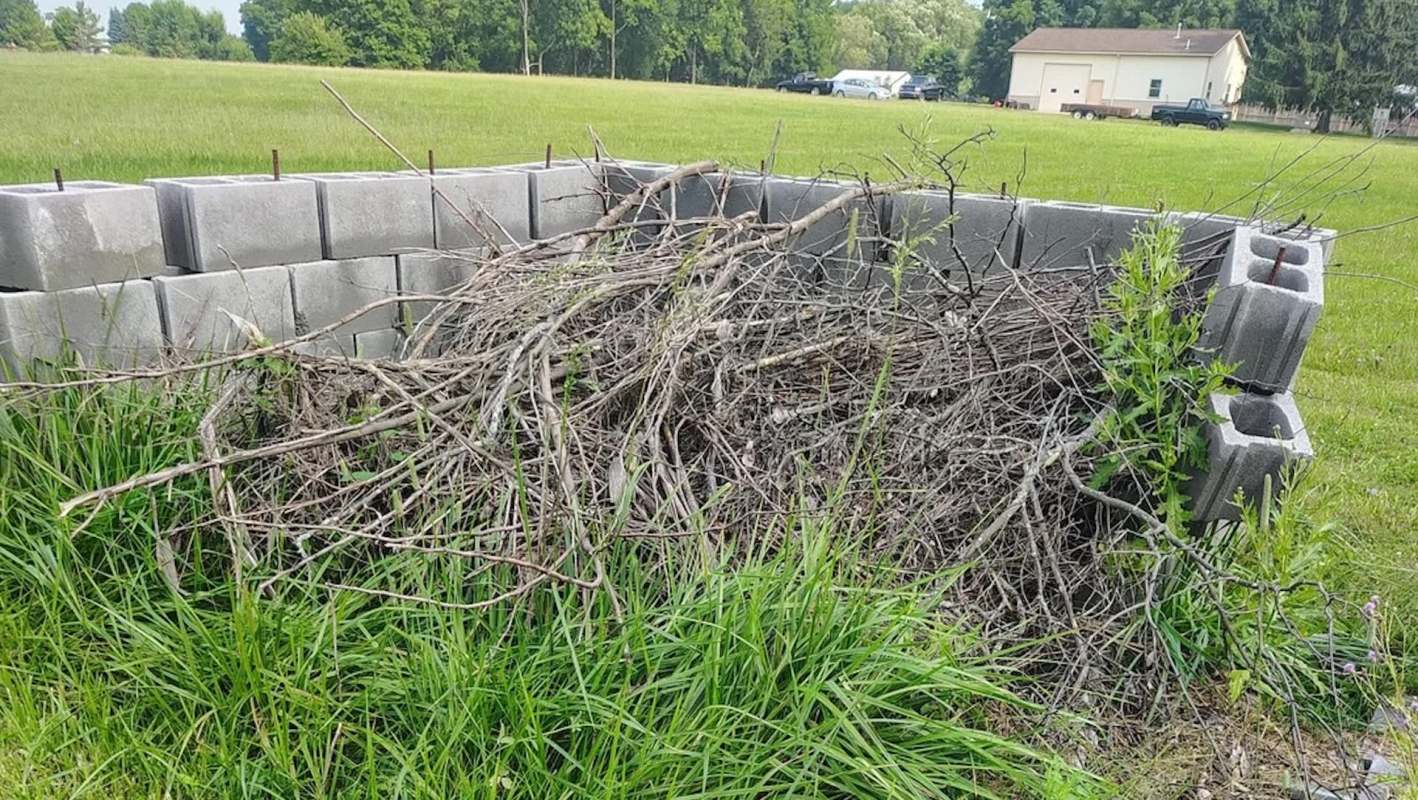
A neglected compost bin at a community garden had become something far less useful: a heap of branches.
But when one volunteer asked how to fix it, experienced composters quickly jumped in with practical advice — and a reminder that good compost is less about waiting for things to degrade than balance and a proper setup.
What's happening?
A community garden volunteer turned to Reddit after stumbling into the annoyance of their compost bin being filled to the brim with sticks instead of the mix needed to make real compost.
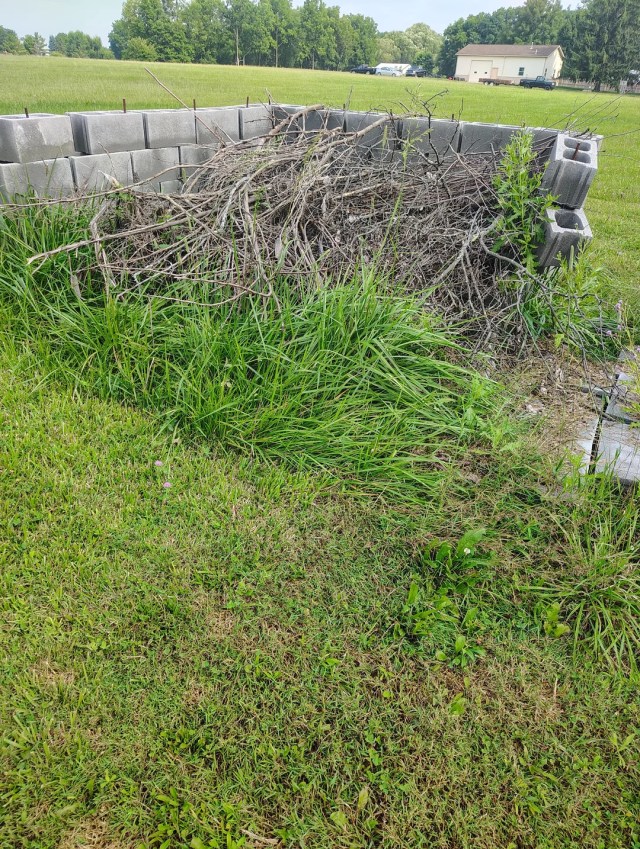
"I'm volunteering to help clean things up and the compost bin is just a big pile of sticks with nothing else in it," the original poster wrote. "I know this will eventually degrade into dirt but it's definitely not compost."
The volunteer wanted to know whether the better fix was to dismantle the pile and rebuild it with a proper balance of materials or to start layering genuine compost inputs over what was already there.
Commenters largely agreed on one point: Large woody debris breaks down far too slowly to serve as the main ingredient in an active compost bin.
TCD Picks » Quince Spotlight
💡These best-sellers from Quince deliver affordable, sustainable luxury for all




One commenter suggested using a wood chipper first so the branches could be reduced in size before being mixed with a broader range of compost materials. They summed up the main issue simply: "Those sticks will take forever to break down." Smaller pieces can still help with airflow while other ingredients decompose at a more practical pace.
Others argued the branches should come out of the bin entirely, be shredded for use in garden paths, or become "a brush pile in a corner for the wildlife to use," followed by resetting the compost area with clearer rules posted about what belongs there.
Why does it matter?
Community gardens can provide valuable benefits for neighborhoods. They can help people save money on produce, grow fresher vegetables that often taste better than store-bought options, and offer a hands-on activity that supports both mental and physical health.
A working compost system strengthens those benefits. Finished compost helps improve soil structure, supports healthier plants, and can reduce the need for purchased soil amendments. When a bin is clogged with oversized sticks, that cycle stalls.
A compost area that looks unusable can also make routine upkeep feel frustrating and less rewarding. A simple reset can make the space feel more inviting and productive.
For gardeners trying to stretch a budget, better compost can also mean stronger yields from the same plot. That is especially meaningful in community gardens, where many people share limited space and resources.
What can I do?
Before trying to revive the bin, a practical first move is to pull the large woody material out of the main compost stream.
If a chipper is available, turning branches into smaller pieces can make them more useful as a slow-decomposing carbon source.
If chipping is not practical, the sticks may be better used elsewhere — as mulch for paths, as part of a brush pile for habitat, or in another garden project. According to one Reddit commenter, the cinder-block bin could also be reset and lined with cardboard if weeds are pushing up from below.
After that, the bin can be restarted with a more typical compost mix.
Keeping the pile damp and turning it occasionally can help speed decomposition and reduce the chances of another stagnant heap forming.
For anyone inspired to make their plot more productive overall, The Cool Down has a guide to growing your own food, which can help gardeners get more from the effort they put in.
As the original poster replied, "I'll see if I can borrow a wood chipper from somewhere. Thank you!" Another commenter added a practical tip: "You can usually rent them from hardware stores."

Get TCD's free newsletters for easy tips, smart advice, and a chance to earn $5,000 toward home upgrades. To see more stories like this one, change your Google preferences here.






