


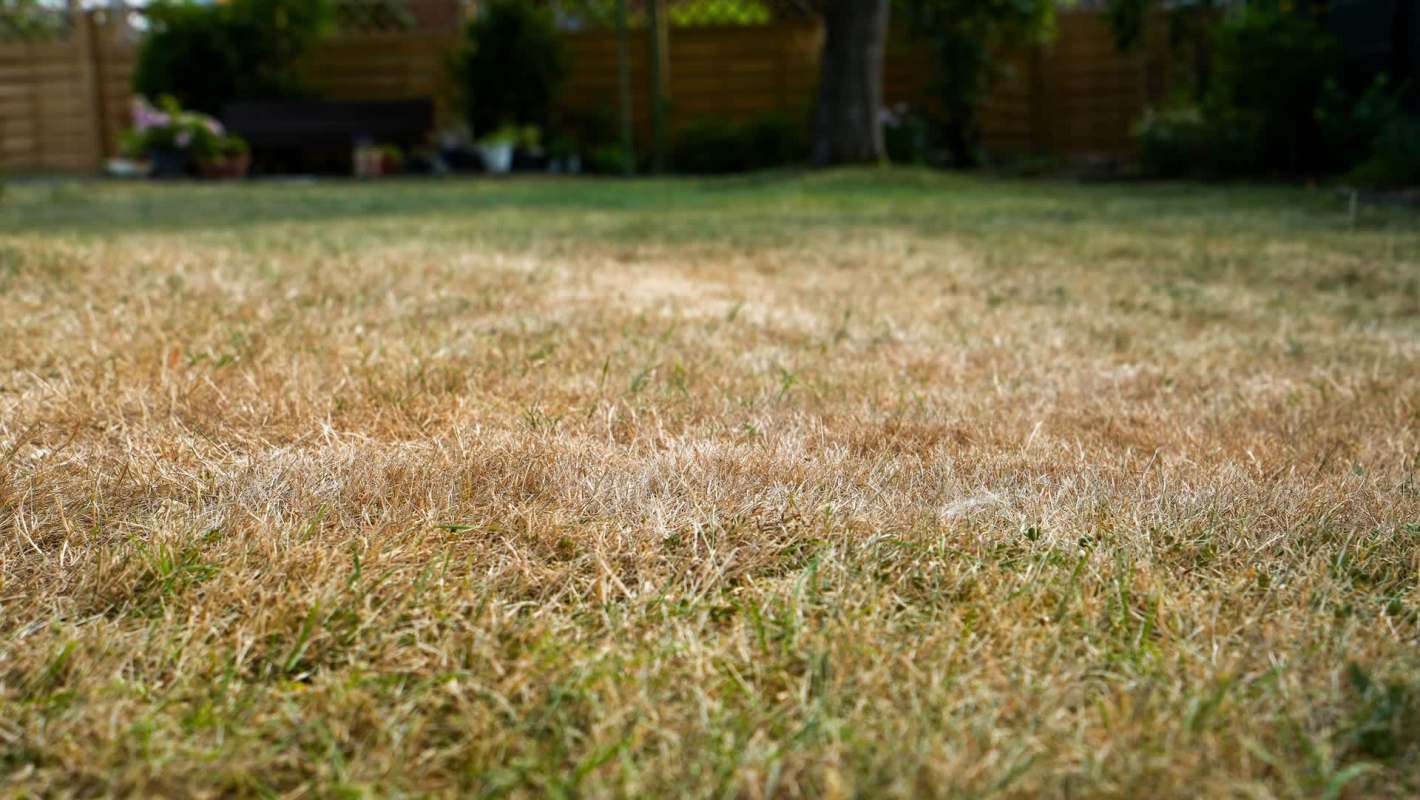
A Colorado resident said her homeowners association flagged a portion of her lawn as dead or dying, even though drought conditions have restricted how often people in the area can water.
What's happening?
Paulette Piazza, who lives in Ken Caryl, Colorado, said a July 1 notice from the Ken-Caryl Ranch Master Association gave her 10 days to revive a dead patch of grass, according to KDVR.
"Ken Caryl is in a drought but you can't let your lawn [die]," the association wrote in that letter, adding that if the problem was not corrected, a "formal violation will be issued, and the violation/fine process will begin in accordance with state law."
Piazza said she is a Denver Water customer and is already complying with local limits that allow lawn watering only twice a week.
"I can't work on my lawn until the drought is done," she told KDVR. Piazza said the notice felt intimidating. "It's a threat, an ugly threat. And I don't know what they want me to do."
According to The Sun, an HOA spokesperson said no fines have been imposed or collected in connection with the notices, although 28 courtesy notices were sent.
TCD Picks » Quince Spotlight
💡These best-sellers from Quince deliver affordable, sustainable luxury for all




"A courtesy notice is not a fine," the spokesperson added. "It is the first step in a process intended to open communication, understand the circumstances affecting an individual property and identify a reasonable path forward."
Why does it matter?
Homeowners increasingly find themselves trying to comply with local water conservation rules while also complying with rigid, enforced HOA guidelines for curb appeal.
During droughts, maintaining lush green lawns consumes enormous amounts of water, especially in areas already facing strained supplies and elevated wildfire risk.
In this case, the HOA framed its concern as related to safety rather than aesthetics, including whether dead landscaping could increase fire risk.
There is also a legal angle. Colorado law bars HOAs from fining homeowners over brown grass during drought when they are watering up to the limit local rules allow.
"Forcing residents to keep lawns lush and green in these conditions amounts to a tremendous waste of water and an irresponsible use of our precious natural resources," a spokesperson for Denver Water said, per KDVR.
HOAs across the country have faced criticism for standing in the way of money-saving and resource-saving home upgrades, from rooftop solar panels to native plant lawns that require less water and maintenance. However, working with HOAs can help to implement new rules that can benefit the whole community.
What's being done?
In Colorado, state law provides at least some protection for homeowners caught between drought restrictions and HOA demands.
That can give residents grounds to push back if they are conserving water but still receive notices over brown grass.
In other areas, homeowners sometimes review both local ordinances and HOA bylaws before responding to a warning letter. Documentation can include copies of watering restrictions, utility guidance, and photos showing that a yard's condition is linked to drought rather than neglect.
Some communities are also gradually adapting by allowing more climate-friendly landscaping options, including native plants and lower-water yards.
Piazza remained stuck between a rock and a hard place with her HOA.
"The fact that they are pursuing this method of keeping their neighborhood up to their beautification level, you know, it's an association which I appreciate, but I don't understand where they come off because they know better," she said. "Shame on them, really shame on them."

Get TCD's free newsletters for easy tips, smart advice, and a chance to earn $5,000 toward home upgrades. To see more stories like this one, change your Google preferences here.






