


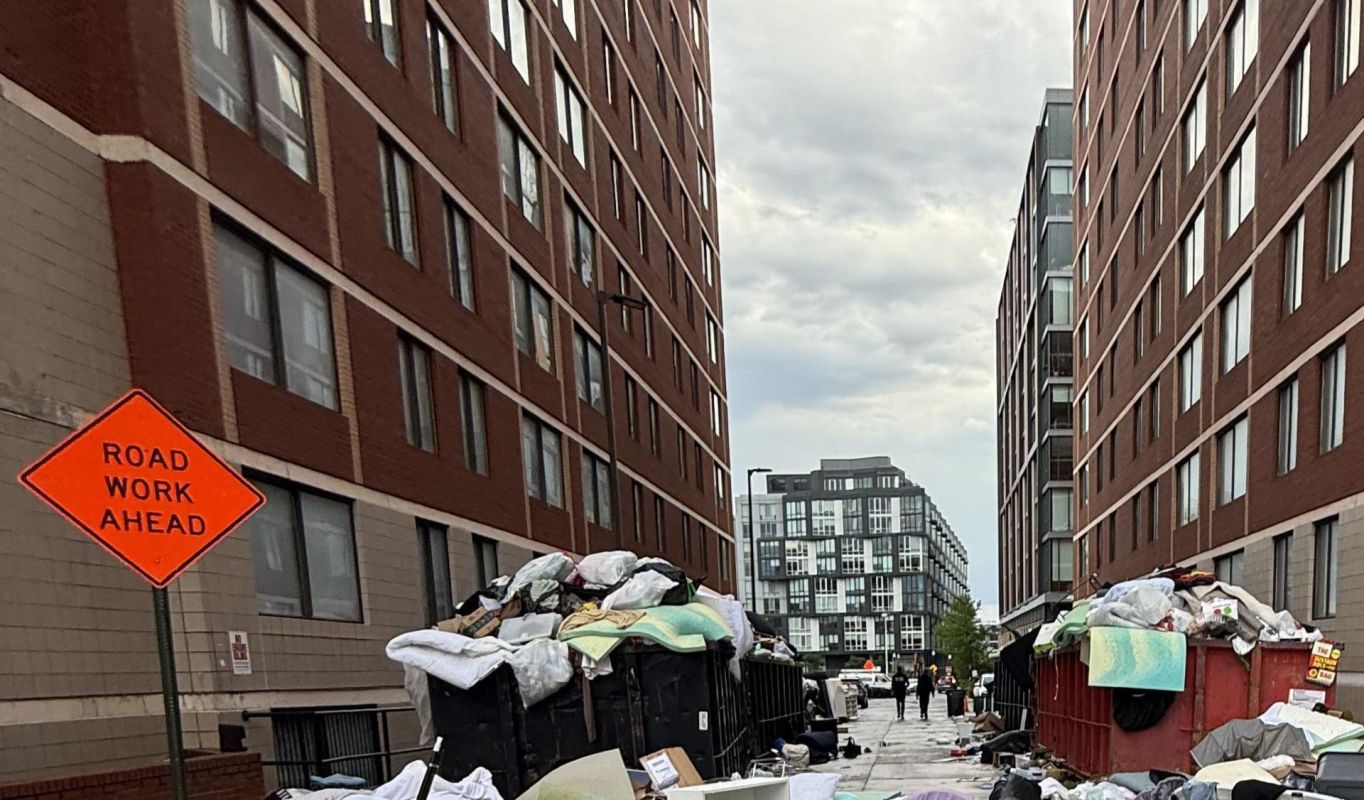
A photo shared on Reddit during college move-out season showed what looked like an entire dorm emptied onto the curb, with furniture, clothing, and household items stacked into a towering wall of waste.
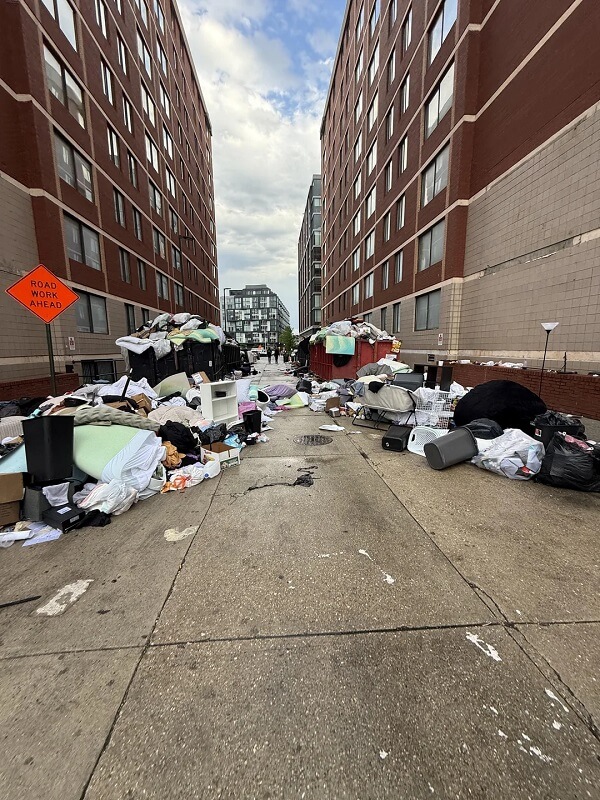
But the conversation quickly shifted away from the mess itself.
Commenters instead pointed to a more practical solution: campus move-out reuse programs, which allow students to donate usable items at the end of terms so other students or community members can claim them for free or at low costs.
The appeal is simple. Students can clear out a room without throwing away perfectly good belongings, while others can save money furnishing a dorm or apartment.
While the details vary by campus, most programs operate in similar ways.
At the end of a semester, colleges may place shipping containers outside residence halls, open temporary free stores, or send donated items to campus surplus warehouses. The items are then sorted, stored, and redistributed when students return.
TCD Picks » Quince Spotlight
💡These best-sellers from Quince deliver affordable, sustainable luxury for all




"University of Kentucky has a group that takes good stuff and puts it in a store for free for students," one commenter wrote. "Amazing idea."
"Our local college has Dump 'n Run stations where students can leave items they don't want to take with them," another user shared. "Over the summer, volunteers sort and organize everything, and then in the fall they have a big sale and donate the proceeds to a local charity. Everybody wins."
For students interested in using these programs, the process is often straightforward: Search your school's name along with terms such as "move-out donations," "free store," or "surplus." Check the timing, since many programs only operate during move-out week or shortly before a semester ends. Review accepted-items lists carefully. Clean and sort donations before drop-off. And finally, bring items to the designated dorm container, free store, or campus warehouse.
Students hoping to pick up items can look for restock dates, surplus sales, or giveaway hours.
For students moving out, reuse programs can be one of the easiest ways to declutter quickly. Instead of trying to cram everything into a car, pay to haul it away, or leave it on the curb, students have a more responsible option for passing along items they no longer need.
For students moving in, the savings can be substantial. Dorm essentials and first-apartment basics become expensive quickly, and reuse programs offer a lower-cost way to find furniture, electronics, and household goods that still have plenty of use left in them.
There is also a clear environmental benefit. Reusing a chair, lamp, or mini-fridge that is already on campus helps keep bulky waste out of landfills while reducing demand for newly manufactured products, cutting down on the materials, energy use, and pollution tied to producing replacements.
Even if a school does not have a formal move-out reuse program, there are still alternatives worth exploring.
Many colleges, especially public universities, run surplus departments that resell furniture, electronics, and equipment no longer needed by campus offices. These can be useful places to find affordable basics.
Local Buy Nothing groups on Facebook and similar platforms allow neighbors to give items away directly. For students trying to offload usable belongings quickly, these communities can offer an easy way to keep things out of the trash.
Some schools also partner with nonprofits such as Habitat for Humanity to accept furniture and home goods. Even when a campus free store is unavailable, local donation centers are often a better alternative than sending everything to the landfill.
While that massive move-out pile may have sparked outrage online, it also highlighted a more hopeful reality. Many people recognize there are better ways to handle end-of-semester waste. The challenge now is to make sure more students know about these options before the curb becomes the default.

Get TCD's free newsletters for easy tips, smart advice, and a chance to earn $5,000 toward home upgrades. To see more stories like this one, change your Google preferences here.







