


A size change can make an already full wardrobe suddenly feel useless. In one Reddit discussion, a user said weight gain had made many of their nonstretch bottoms stop fitting, and they wanted to avoid buying a whole new set of clothes.
What happened?
In a post on Reddit, a user said that after gaining weight, rigid items such as jeans, dresses, skirts, capri trousers, and shorts no longer fit. They asked for suggestions on altering or remaking what they already owned and said they had basic hand-sewing skills they were hoping to build on.
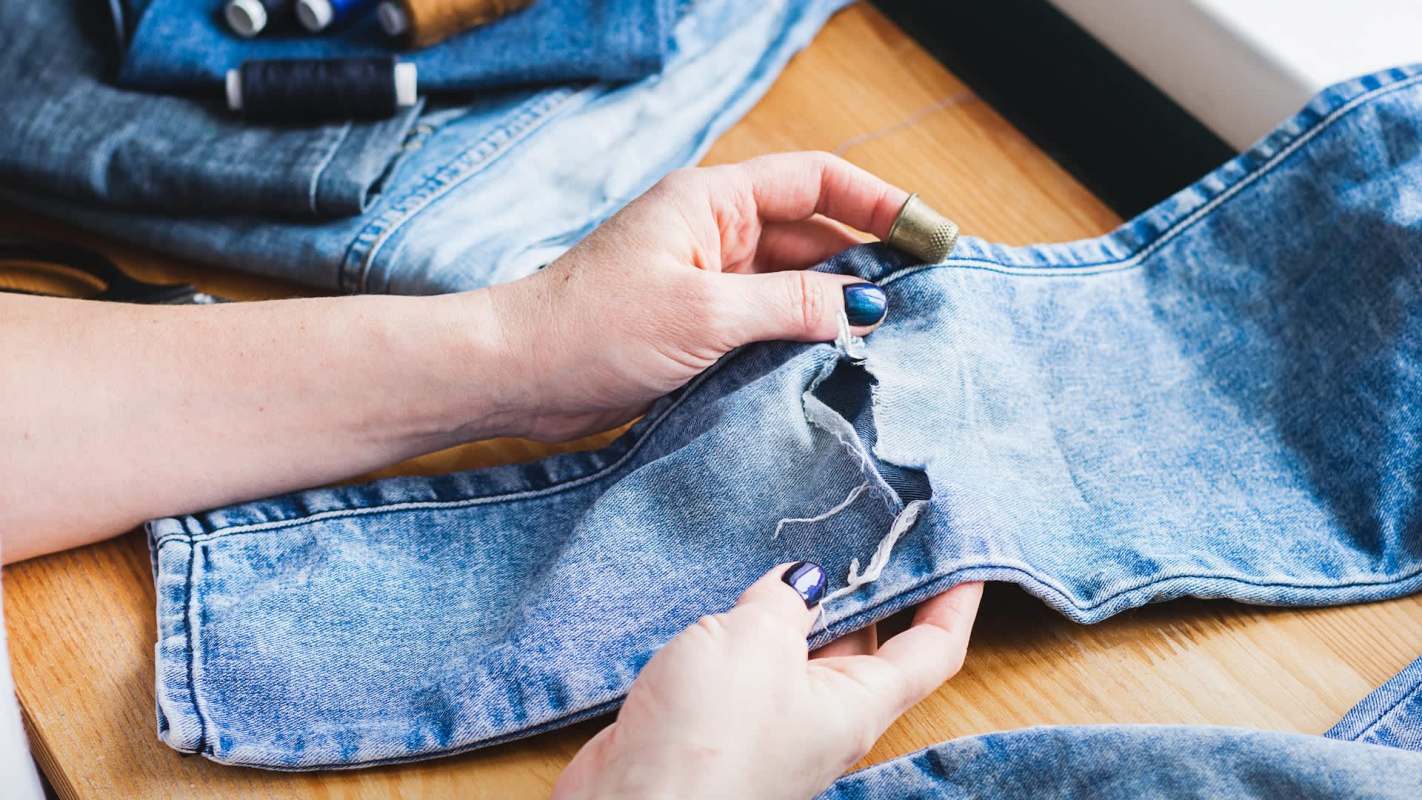
A recurring suggestion in the replies was to add fabric to garments — often through side panels or triangle-shaped gussets — to create extra room, especially in denim, skirts, and dresses.
One commenter explained: "You can take out stitches on pants and make a dart type triangle from a fun patterned similar fabric that you can just sew back up or take out if you ever lose the weight in the future."
Other commenters pointed to easier adjustments, including button extenders, a rubber band or hair tie at the waistband, or a drawstring for more flexibility.
When altering a piece no longer seemed worthwhile, users suggested passing clothes through swaps, consignment, or other secondhand resale options. One popular reply put it this way: "Sell your clothes second hand then buy other clothes second hand. You're basically just trading clothes with someone at that point."
TCD Picks » Quince Spotlight
💡These best-sellers from Quince deliver affordable, sustainable luxury for all




Why does it matter?
Replacing a full set of jeans, skirts, dresses, and shorts could easily cost a lot, and significantly more if the original pieces were higher quality.
Simple alterations, clothing swaps, and secondhand resale can cut that cost substantially while allowing people to keep wearing styles they already like.
The discussion also reflects a common reality: Bodies change. That can make clothing feel frustrating, especially when fast fashion pushes consumers to keep buying new items and discarding old ones with every shift in size or style.
Several commenters pushed back on that mindset.
One wrote: "As someone whose weight fluctuates, keep your old clothes. It's not overconsumption to keep things you've already purchased. It is overconsumption to gain and lose the same 40 pounds and ditch your old wardrobe each time. Ask me how I know."
It reframes the issue as one of practical adaptation rather than personal failure and can save money, reduce textile waste, and ease the pressure to keep consuming.
What can I do?
If the tightness is mostly at the waist, commenters suggested starting with the simplest fixes: a button extender, the rubber-band trick, or a drawstring for a more adjustable fit on casual clothes.
If the size change is larger, adding panels or gussets can make more space without replacing the garment altogether.
One commenter noted: "Sewing panels into the skirts or triangles into the side seam or at 1/6th of shirts etc is a relatively easy fix but you'll want to learn to use a machine. Our library lets you check out tools so you should see if yours has a sewing machine."
If you are not sure what can realistically be altered, a tailor can help you decide which pieces are worth the cost.
And if something still no longer works for you, consignment shops, neighborhood swap events, and online resale platforms may help offset the price of whatever comes next.

Get TCD's free newsletters for easy tips, smart advice, and a chance to earn $5,000 toward home upgrades. To see more stories like this one, change your Google preferences here.






