


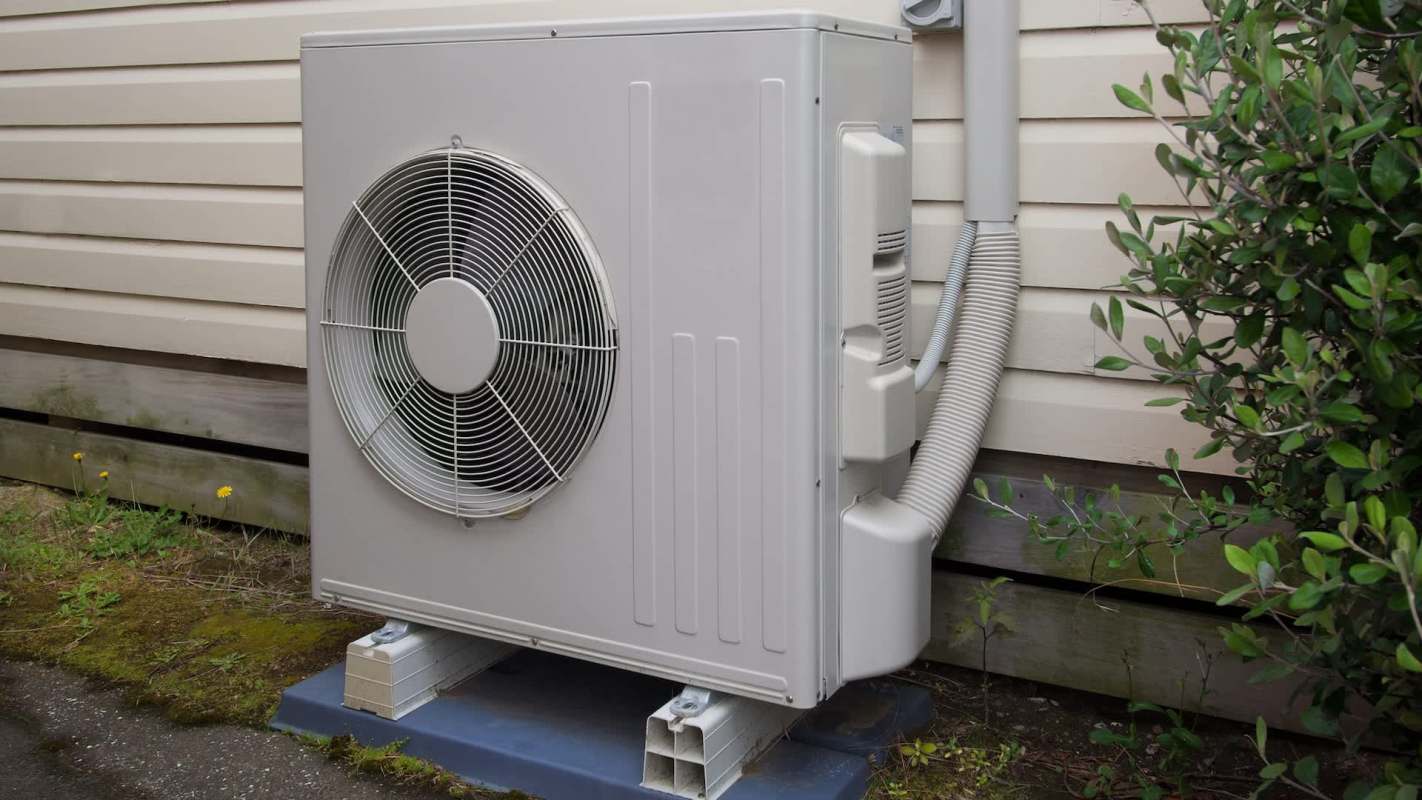
For one Chicago-area resident expanding a 1950s home, the push toward all-electric heating hit an unexpected cost problem: A heat pump proposal was roughly $3,500 more than a dual-fuel alternative.
Here's what to know
In a Reddit post, the original poster said two contractors evaluating the HVAC situation recommended going with dual fuel, including one described as a top-tier dealer for a major heat pump brand.
Instead of replacing the whole setup, the existing furnace and AC condenser would continue handling the basement and roughly 1,500 square feet on the main floor, while a new system would be installed for the approximately 1,100-square-foot upper level.
The homeowner said the proposed heat pump setup was about $3,500 more expensive than the dual-fuel alternative.
"I can't make the math work," they added. "Am I missing something?"
For homeowners weighing a choice like the OP's, upgrading heating and cooling can be one of the best ways to save money on utility bills and protect against rising energy prices. Palmetto can help homeowners understand their HVAC options and reduce energy bills with newer, more efficient HVAC systems and heat pumps, and Palmetto's Comfort Plan network can connect you with vetted installers.
Utility pricing was another major concern, as the homeowner noted: "Given that we have really cheap electricity at ~8c/KwH and ~50c/therm natural gas, the heat pump would probably be more expensive to run at basically any temperature."
More background
Cold-weather performance was not the main concern. After insulation was added to the older walls and attic and the windows were replaced, the homeowner said a Manual J — a technique to measure heating and cooling requirements — found that "heating and cooling loads are quite modest."
Crushed by your bills? See instant solar savings from vetted installers in just a few clicks With energy prices through the roof, there's never been a better time to go solar — and EasyHome can help you find the best prices from the best installers in your area. EasyHome takes the guesswork and headaches out of energy upgrades by showing you estimated savings from a network of vetted local partners. To get started, just enter your ZIP and share a few details about your home — seeing your estimate is really that easy. |

One person said the appeal of gas backup goes beyond cost, noting that "having natural gas for morning recovery (dropping the temp overnight) is a comfort thing for me."
Another challenged the case for mixing fuel types, saying, "Usually one fuel is cheaper almost all of the time, just stick with that one."
What can be done?
If the biggest hurdle is the kind of $3,500 upfront gap this homeowner saw, the Comfort Plan may help bridge it. For homeowners who are not ready to spend on HVAC systems up front, Palmetto's Comfort Plan includes $0-down options that can lower heating and cooling costs by up to 50%, and Palmetto Comfort Plans include 12 years of free maintenance.
Solar was also part of the poster's plans. Homeowners can pair solar panels with electric appliances — including an efficient HVAC system or a heat pump water heater — to drive utility costs even lower.
EnergySage makes it easy to compare solar options and find the best solar system and installer for a home's budget, and it can help homeowners save up to $10,000.
Where can I learn more?
Homeowners weighing heat pumps against dual-fuel systems are running into similar questions about upfront pricing, fuel costs, and backup heat.
• In Massachusetts, a new-build owner learned dual-fuel may save just $117 over heat pumps.
• In North Texas, homeowners heard gas rates decide if dual fuel pays.
• In Wisconsin, a failing AC made heat pump math 'a wash' versus a 1990 furnace.
• In Connecticut, one homeowner got a $25,000 HVAC quote, then priced both systems at $15,000.

Get TCD's free newsletters for easy tips, smart advice, and a chance to earn $5,000 toward home upgrades. To see more stories like this one, change your Google preferences here.






