


A drooping plant can be a frustrating sight at the end of the gardening season, especially after months of care. But one Instagram creator is reminding fellow gardeners that some problems are better treated as lessons for a future growing season than as emergencies for today.
What happened?
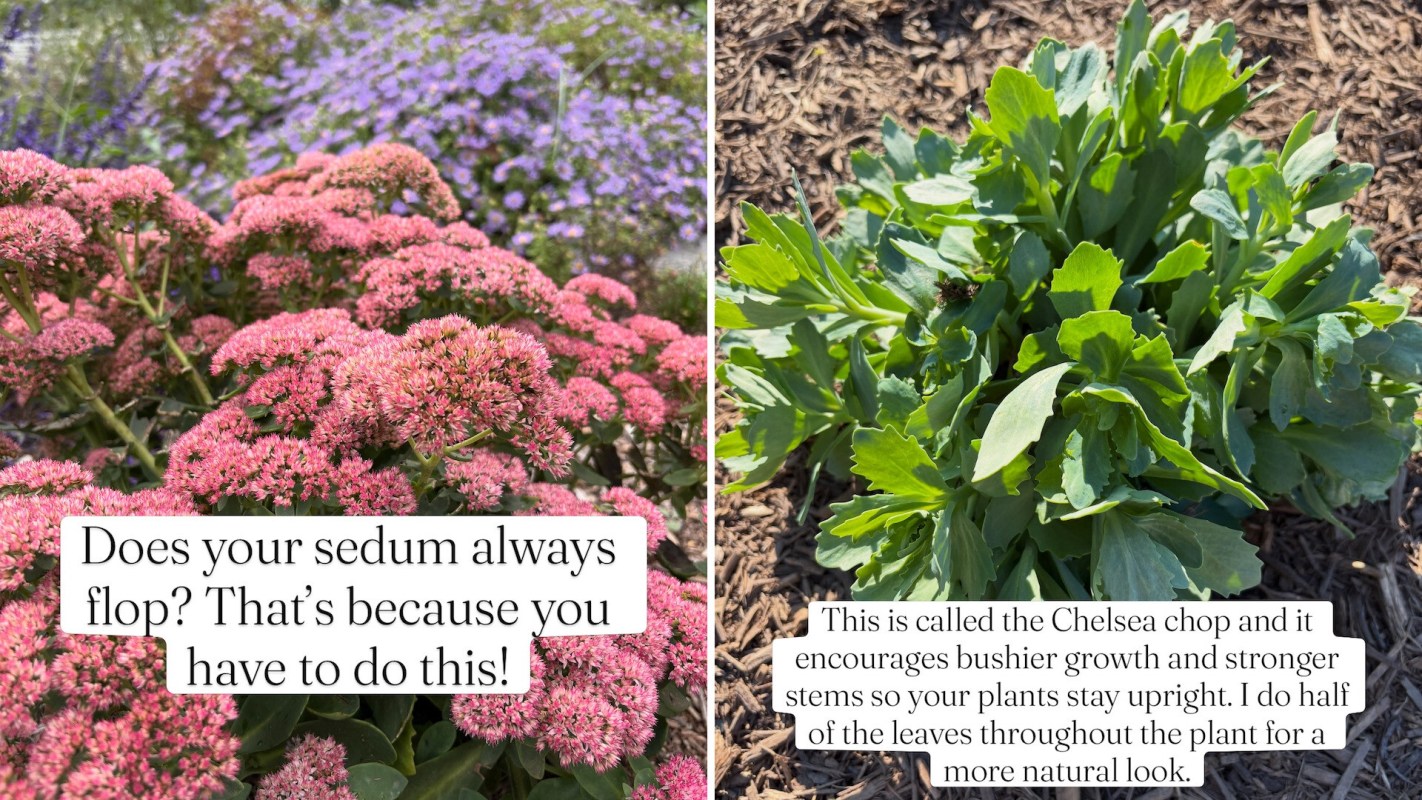
Caroline (@figmentcottagegardens) shared a simple end-of-season reminder for home gardeners. In an Instagram post that shared several pictures of the process, the creator wrote, "While you can't save your floppy plants now — you'll cut off all the blossoms and seed heads — you can save this post and do the Chelsea chop next year for a prettier and tidier garden."
The so-called Chelsea chop is a pruning technique gardeners use on certain perennials to encourage shorter, bushier growth and reduce the chances that stems will sprawl or collapse later in the season.
Why does it matter?
Not every plant problem has an immediate fix. However, done at the right time, a cut like this can help reduce flopping, limit the need for staking, keep a yard looking neater, and help plants use space more efficiently. In text on one of the photos, Caroline also pointed out that you can plant the cuttings and grow new plants for free.
Gardening can offer real benefits, regardless of whether you choose to grow flowers or vegetables. Growing food at home can help reduce grocery costs, and many gardeners say homegrown produce tastes better than store-bought alternatives. Time spent gardening can also support physical health through movement and lifting, while offering mental health benefits through stress relief and time outdoors.
What can I do?
If you have perennials that tend to get leggy or fall over, plan ahead. Save helpful posts, add reminders to your calendar, and make notes about which plants flopped and when. Techniques such as the Chelsea chop work best as preventive care, not as a rescue once stems are already sprawling.
TCD Picks » Quince Spotlight
💡These best-sellers from Quince deliver affordable, sustainable luxury for all




Gardeners can also experiment with care. Try cutting back only part of a plant or a few stems first, then compare the results with untouched growth. Keeping a simple garden journal can help track what worked, what flowered later, and which plants stayed more compact.
"Ooooh floppy sedum," Caroline wrote in a comment. "I see it everywhere. That and catmint and echinacea! A chop in spring makes all the difference."
"Did this for the first time ever earlier this season and planted cuttings!" another commenter said.

Get TCD's free newsletters for easy tips, smart advice, and a chance to earn $5,000 toward home upgrades. To see more stories like this one, change your Google preferences here.






