


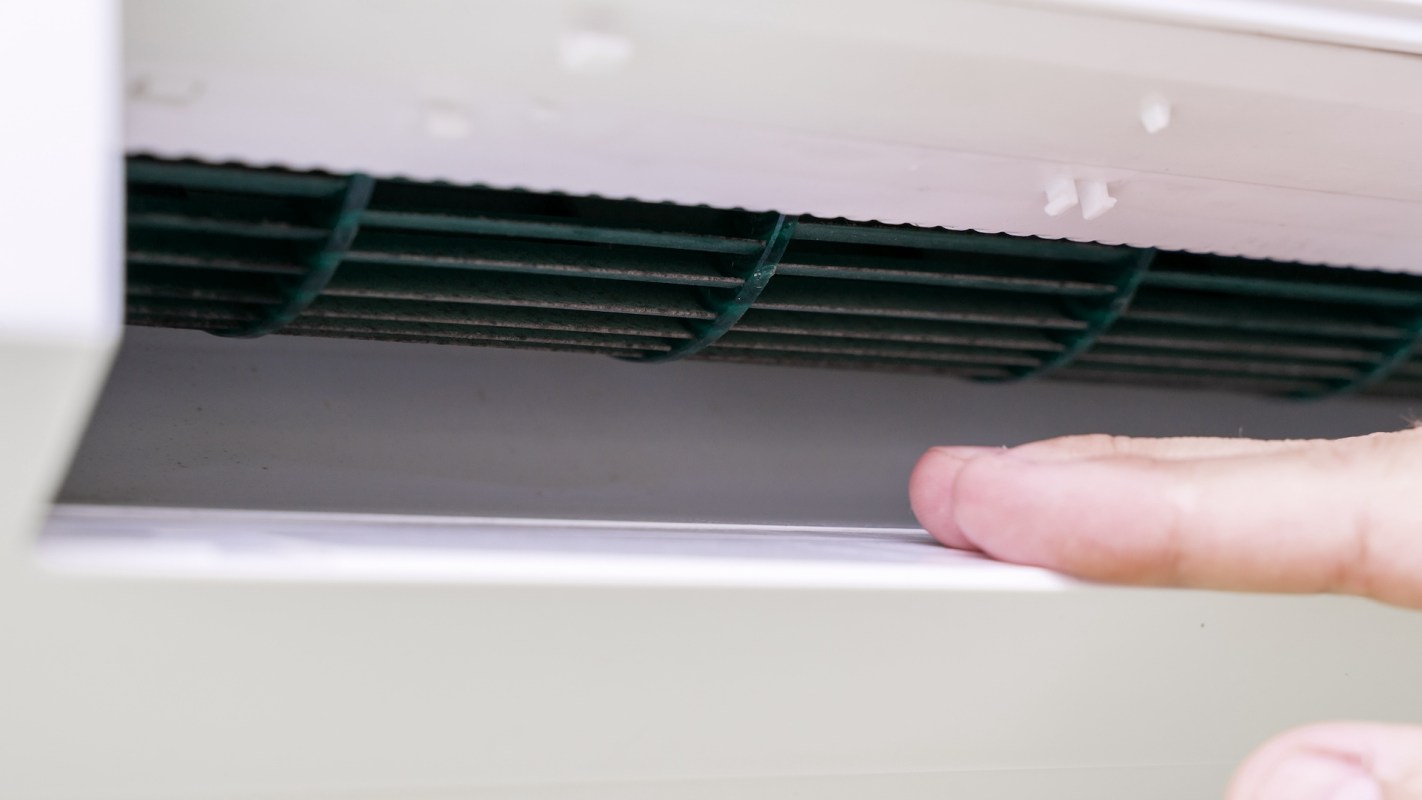
In the middle of a heat wave, a broken central AC usually leaves little time for careful comparison shopping. Homeowners who need cooling restored quickly may feel tempted to take the first financing offer available.
Convenience and cost don't always align. According to CBS News, the payment method you choose for a replacement system can add a lot to its price tag over time.
What's happening?
As extreme heat drives more sudden AC replacements, households are facing bills that can easily reach several thousand dollars. For people without enough savings set aside, that often means making a financing decision under pressure.
Using cash is generally the cheapest approach because it sidesteps a number of financing surprises, fees, and interest. But spending down an emergency fund can leave a homeowner vulnerable if another big expense appears soon afterward.
When cash isn't available, some HVAC financing promotions can be a lower-cost choice if they're truly 0% interest and the balance is fully paid off before the promotion expires. Home equity loans and HELOCs are also often less expensive than unsecured borrowing, averaging in the 7% range, while personal loans average about 12.3%. But both of those options generate interest, meaning you're likely going to be paying beyond the actual cost of the system.
Heat pumps are also worth considering when a central AC dies. They're significantly more energy-efficient than traditional HVAC systems and provide both heating and cooling, which can translate into lower utility bills over time. They may also qualify for tax credits and rebates, and homeowners can compare options through EnergySage's Heat Pump Marketplace.
For people who don't need a whole-home replacement, Merino offers single-room, ultra-efficient HVAC systems at a lower price point. The company positions its product as a targeted heating and cooling option that can be installed in under an hour.
Why does it matter?
A broken AC is more than an inconvenience during record-setting heat. For older adults, young children, and people with underlying health conditions, losing access to cooling can become dangerous fast.
Save $10,000 on solar panels without even sharing your phone number Want to go solar but not sure who to trust? EnergySage has your back with free and transparent quotes from fully vetted providers in your area. To get started, just answer a few questions about your home — no phone number required. Within a day or two, EnergySage will email you the best options for your needs, and their expert advisers can help you compare quotes and pick a winner. Solar panels can save you more than $50k over their 25-year lifespan, and EnergySage can help you save as much as $10k on installation. Which begs the question — isn't that worth an email or two? |

Choosing a more efficient replacement can reduce monthly energy bills and lower the amount of electricity a home uses during the hottest times of the year, when power grids are often under the greatest strain.
What can I do?
Before signing any agreement, compare the available ways to pay. If a contractor advertises 0% financing, verify that it's genuine zero-interest financing rather than a deferred-interest deal that could add retroactive charges if the balance is not paid on time.
Homeowners interested in cutting future energy bills even more can also use EnergySage, which offers a free solar quotes comparison tool. With EnergySage's help, the average person can get nearly $10,000 in incentives for solar purchases and installations.
If you're replacing cooling equipment, check out high-efficiency options through EnergySage's Heat Pump Marketplace. Comparing equipment, financing terms, and available incentives can help keep a heat-wave emergency from becoming a financial drain.

Get TCD's free newsletters for easy tips, smart advice, and a chance to earn $5,000 toward home upgrades. To see more stories like this one, change your Google preferences here.






