


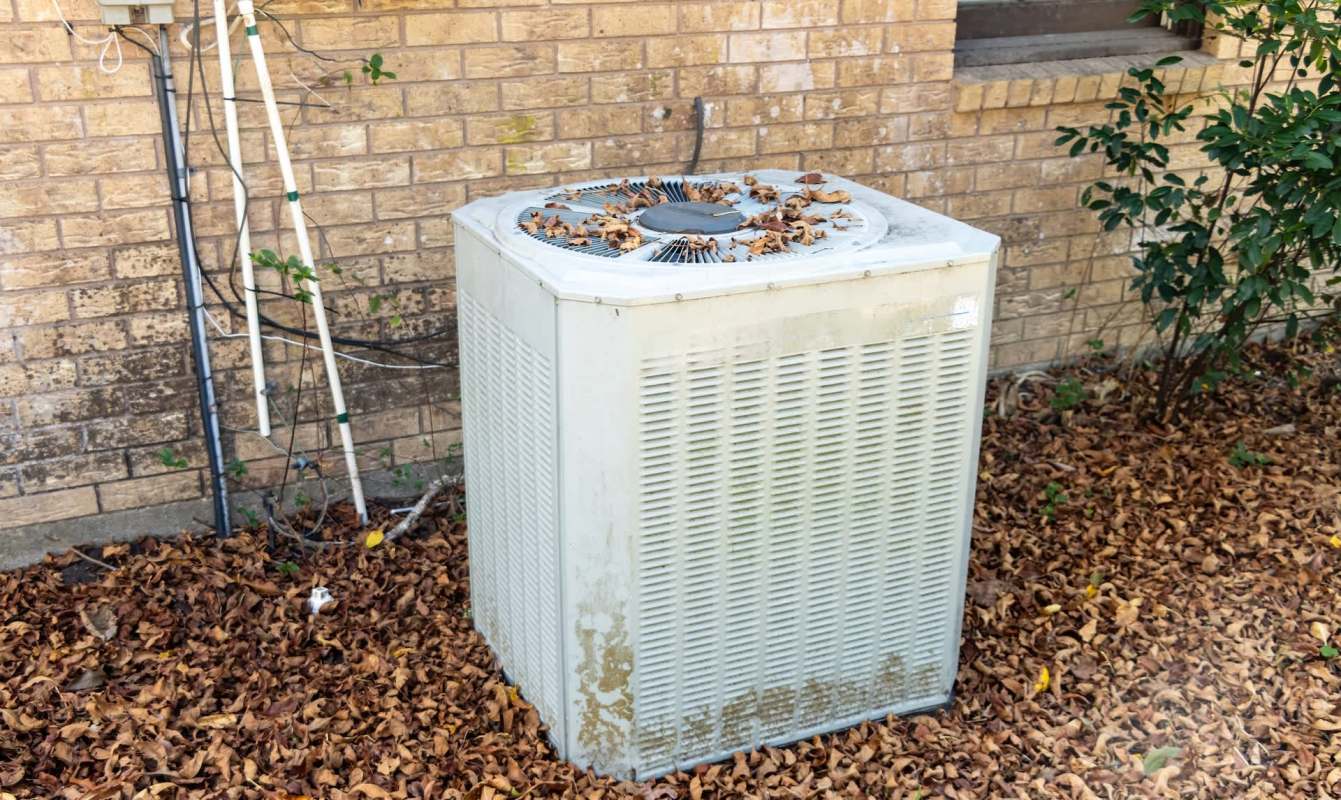
A loud hum from an air conditioner paired with a fan that barely spins does not always mean the whole system is done for. Sometimes the issue is hiding in plain sight and could just be a small failed part.
That is the position one homeowner found themselves in with a 20-year-old Carrier condenser that still ran on R-22, a refrigerant that can make repairs hard and expensive since parts and service options keep shrinking.
What happened?
Posting on Reddit's r/hvacadvice forum, the homeowner said the outdoor unit was making a loud humming sound while the fan was only barely turning. After testing the components, they found that both the 60/5 MFD dual capacitor and the 7.5 MFD capacitor were at about 80% of their rated capacity.
To continue the DIY troubleshooting and decide whether the aging system was worth saving, the homeowner replaced those parts with a single 60/7.5 MFD capacitor and shared the outcome.
Old central AC systems often struggle through the summer with one repair after another, and a failed capacitor is one of the common reasons a condenser fan or compressor will hum, stall, or fail to start.
One commenter offered a piece of advice, writing, "bad motor," with another saying: "Could be locked up. Bearings may have failed."
Why does it matter?
Because capacitor replacement is often relatively inexpensive, it can be a practical way to get a little more time out of an old air conditioner. The big concern in this case was the system's age and the fact that it used R-22, which can make leaks or service work costly.
Even if a capacitor swap gets the system running again, a 20-year-old air conditioner is typically far less efficient than new equipment. Upgrading your heating and cooling system can save you money on utility bills and offer protection against rising energy prices.
Save $10,000 on solar panels without even sharing your phone number Want to go solar but not sure who to trust? EnergySage has your back with free and transparent quotes from fully vetted providers in your area. To get started, just answer a few questions about your home — no phone number required. Within a day or two, EnergySage will email you the best options for your needs, and their expert advisers can help you compare quotes and pick a winner. Solar panels can save you more than $50k over their 25-year lifespan, and EnergySage can help you save as much as $10k on installation. Which begs the question — isn't that worth an email or two? |

If a system is struggling to start, humming, or stalling, it may be only one hot day away from failure, and emergency replacements are often more stressful and more expensive than planned upgrades.
A small repair may buy time, but it should also prompt a closer look at the cost of keeping an inefficient system going.
What can I do?
If your AC unit is showing similar symptoms, start with the basics: Shut off power, replace the filter, inspect the system for debris, and call a licensed HVAC technician if you are not comfortable working around electrical components. Capacitors can hold a deadly charge even if the power is turned off, so DIY repairs can be dangerous.
A capacitor swap may help an aging air conditioner survive a little longer, but a unit that is already humming, stalling, and running on R-22 may still be near the point when replacement is the most practical option.

Get TCD's free newsletters for easy tips, smart advice, and a chance to earn $5,000 toward home upgrades. To see more stories like this one, change your Google preferences here.






