


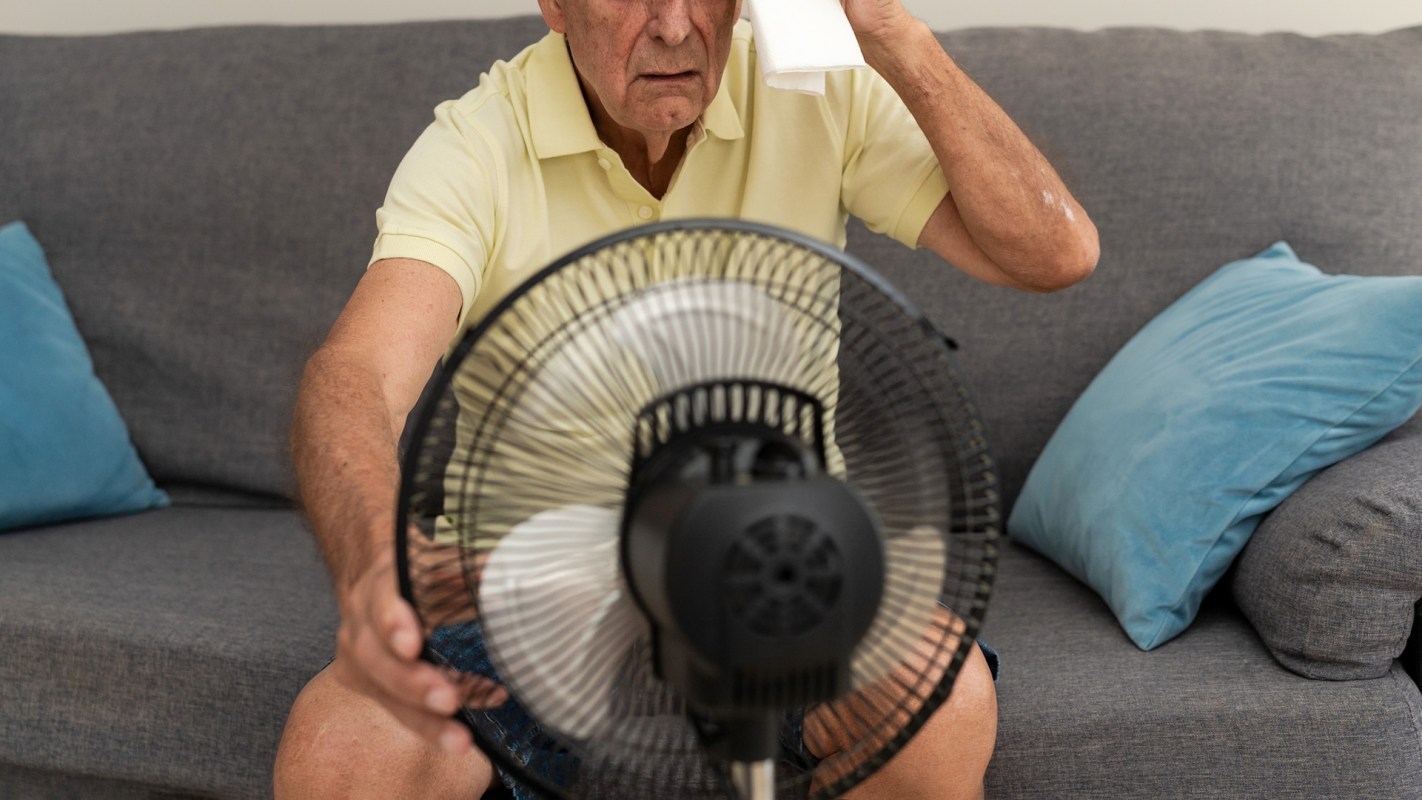
As Canadian summers grow hotter, the risk is no longer limited to being outside.
In older rental apartments, especially in British Columbia, indoor temperatures can rise to dangerous levels, and affordable cooling options are often scarce.
Even in the height of summer, air conditioning is still far from a given.
What's happening?
Rising heat is putting renters in a particularly vulnerable position, with older low-rise "walk-up" apartment buildings standing out as a major problem area.
As Maclean's reported, 619 people died in British Columbia during the province's 2021 heat dome, and many of those who died at home were living in aging apartment buildings without adequate cooling.
Recent weather shows the pressure is continuing to build. In May, 20 B.C. communities set new all-time daily heat records on the same day, and Montreal and Toronto have each seen some of the sharpest increases in heat-related deaths, a trend tied in part to their larger renter populations.
TCD Picks » Quince Spotlight
💡These best-sellers from Quince deliver affordable, sustainable luxury for all




A lot of these apartments were constructed decades ago, before cooling was viewed as essential infrastructure. Poor ventilation and a lack of central air are common, leaving tenants to depend on portable units — if their landlords allow them.
Municipalities are starting to intervene. In June, New Westminster passed a bylaw requiring landlords to keep at least one room in every rental unit at or below 26 degrees Celsius (78.8 degrees Fahrenheit) overnight, and Vancouver moved to bar landlords from banning portable AC units in buildings that lack centralized cooling.
Why does it matter?
Indoor heat can turn deadly, particularly for seniors and people with chronic health conditions. When temperatures stay elevated through the night, an apartment stops being a place to recover and becomes a threat to health.
Affordability is part of the challenge, too. Modernizing older rental buildings can cost a lot, and when landlords choose to make those upgrades, tenants can end up paying through rent increases. That leaves many renters caught between the need for cooling and the need to keep their housing.
Heat pumps offer another option: they can cool homes in summer, heat them in winter, and use far less electricity. They can deliver about four units of heating or cooling for each unit of electricity used, and swapping out electric baseboard heat for them can bring immediate electricity savings, though no per-household dollar figure was provided.
This kind of electrification can lower energy demand, reduce pollution, and potentially save renters and building owners money over time if financing is structured well.
What's being done?
One proposal centered on British Columbia, called Keep It Cool, would retrofit 5,000 buildings with heat pumps over seven years. The plan is seeking $420 million from the provincial government, with some of the funding meant to shield lenders if early retrofit loans go bad and some intended to cut borrowing costs so landlords do not pass expenses on to tenants.
The rollout would start with buildings that use electric baseboard heating, where the switch can generate immediate electricity savings. Later stages would focus on properties still heated with natural gas. In total, the plan projects a pollution reduction equal to taking 164,000 cars off the road.
Retrofitting occupied walk-ups calls for specialized work, from dealing with outdated electrical panels to fitting heat pump systems into buildings that were never designed for them. That could mean new jobs as well as safer homes.
There are already signs this model can succeed. In New York City, officials have announced a $38 million investment to install heat pumps in 712 public housing homes in Queens, following earlier pilots that cut the energy needed for space heating by about 86% and saw 89% resident satisfaction.

Get TCD's free newsletters for easy tips, smart advice, and a chance to earn $5,000 toward home upgrades. To see more stories like this one, change your Google preferences here.






