


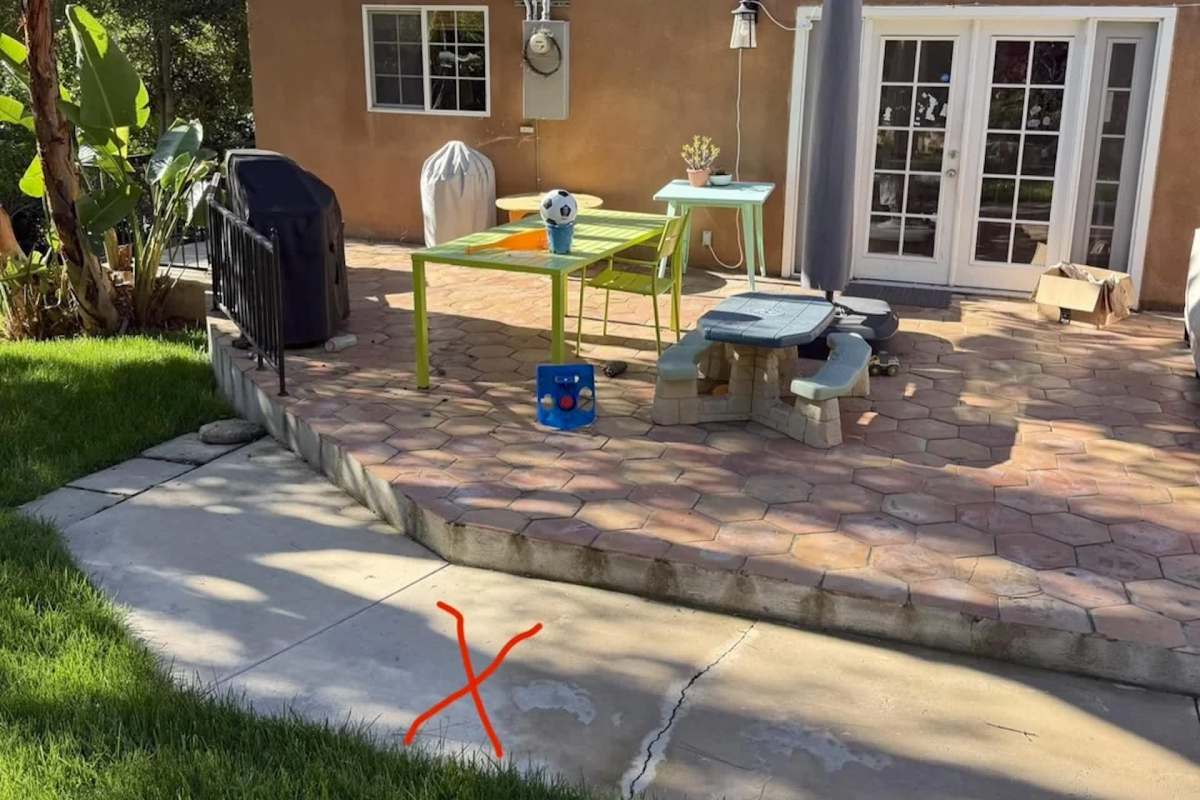
A Southern California homeowner's plan to place a propane-powered generator 17 feet from their house sparked a discussion about the safety concerns and costs of preparing for a power outage.
Here's what to know
The proposed electrical inlet would sit beside a window; the Westinghouse iGen12000TFc itself would go on the patio, the homeowner explained in a Reddit post.
"I will also point the generator's exhaust toward the yard," the original poster added. "Is this a safe distance?"
The generator had a carbon monoxide monitor. Propane was the homeowner's planned fuel, though a natural gas connection remained a possibility for later.
The Centers for Disease Control and Prevention recommends keeping portable generators at least 20 feet from a home. The proposed patio location would be closer than recommended, while the beginning of the lawn would be just beyond that distance.
More background
The homeowner said power outages in their part of Southern California typically lasted two to three hours, so the generator would primarily provide backup power during relatively short interruptions.
TCD Picks » Quince Spotlight
💡These best-sellers from Quince deliver affordable, sustainable luxury for all




Damage to nearby grass was another concern raised in the discussion. A commenter with a similar setup had found that exhaust heat during extended outages could leave grass withered or brown.
One commenter reported spending about $30 a day operating their generator on natural gas, compared with $60 to $100 a day for propane, depending on whether tanks were refilled or exchanged. The homeowner said they had received a roughly $2,000 quote for a natural gas hookup, with a crawl space providing a route for the line.
With such short outages, the homeowner would have fewer operating hours over which to recover that installation cost.
What can be done?
Cord length presented a planning problem for one commenter: the transfer switch they purchased included a 10-foot generator cord, but the separation recommendations they had encountered called for 20 feet.
That commenter's generator manual didn't list an exact distance. Instead, it called for outdoor operation well away from windows, doors, and vents. Checking whether the cord will reach the planned location before an outage can help homeowners avoid that mismatch.
Consulting the local fire department about generator placement was one commenter's suggestion. The discussion also emphasized carbon monoxide alarms in sleeping rooms, while the homeowner planned to purchase monitors for the house.
Where can I learn more?
This homeowner isn't alone in trying to find a safe spot for a generator.
• A Pacific Northwest homeowner considered a deck corner for propane backup, raising concerns about exhaust.
• A Texas owner worried that a standby generator placement was too close to a property line.
• A homeowner planning a backyard inlet learned that 40 feet was fine for the connection.
• A retired firefighter warned of burn risks after an owner refueled a running generator.

Get TCD's free newsletters for easy tips, smart advice, and a chance to earn $5,000 toward home upgrades. To see more stories like this one, change your Google preferences here.






