


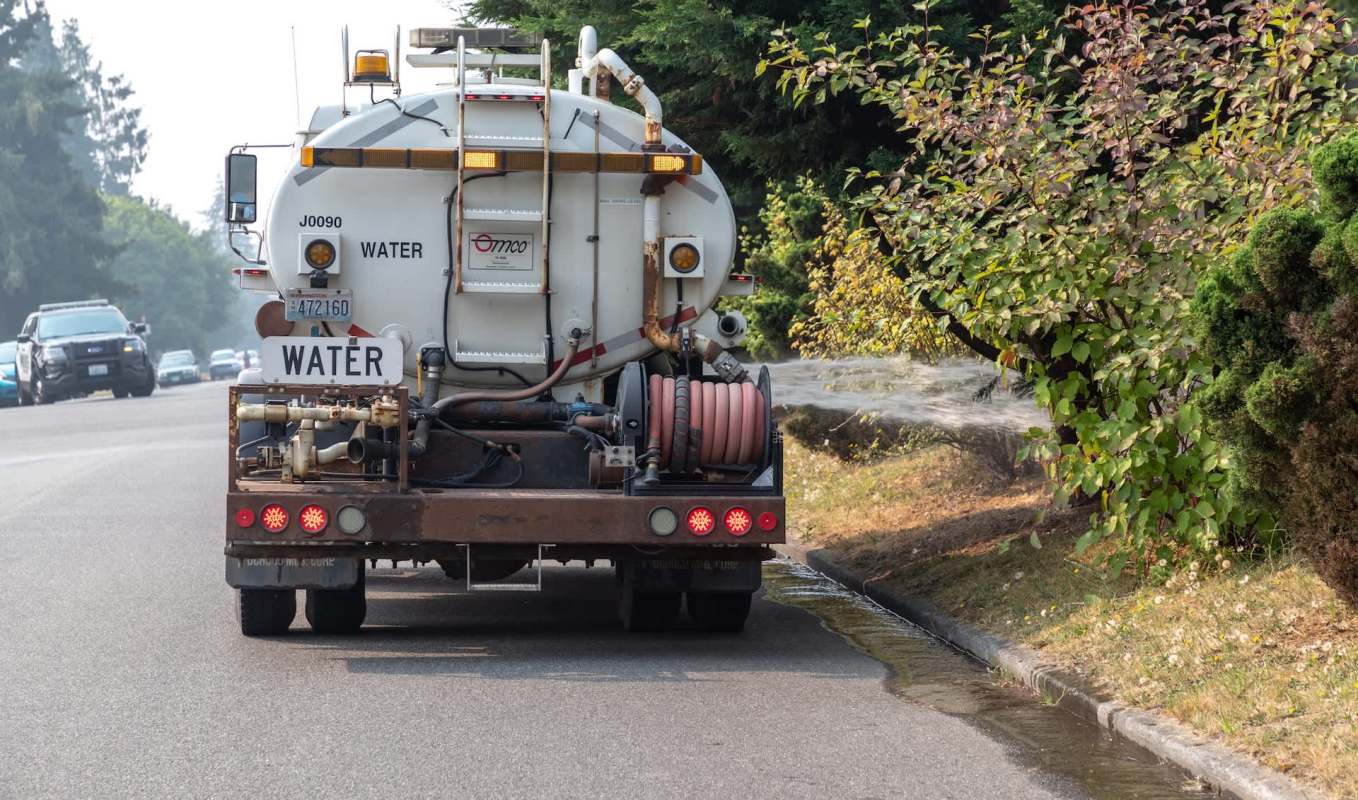
The remaining claims in a lawsuit over water access have been resolved after a Northern California county agreed to stop using local ordinances to hinder deliveries to a rural community.
What happened?
At a June 30 meeting, the Siskiyou County Board of Supervisors approved a settlement in Mathis et al. v. County of Siskiyou et al, according to ACLU of Northern California.
The case was brought by Shasta Vista residents, who challenged limits on water access in the rural subdivision of more than 1,000 residents, most of whom are Asian American.
For now, residents can continue receiving water for household use because the county agreed not to enforce local rules that would prevent those deliveries.
The deal does not extend to cannabis cultivation, and it will stay in effect as the community searches for a more permanent domestic water source.
For years, people in Shasta Vista have relied on water brought in from outside the community.
TCD Picks » Quince Spotlight
💡These best-sellers from Quince deliver affordable, sustainable luxury for all




In places where some families lack wells or reliable infrastructure, those deliveries determine whether households can complete basic tasks.
Lead plaintiff Russell Mathis, a longtime resident, said, "This agreement means that residents in my community will get the water we desperately need for bathing, caring for animals, and protecting ourselves against wildfires."
Why does it matter?
Clean, potable water is one of the most basic building blocks of public health, but in rural areas without infrastructure, it is often among the most expensive resources to secure.
Local policy decisions can have immediate consequences for health, safety, and household budgets. When access to water is restricted, families can face higher costs, sanitation risks, and difficult choices in daily life.
The lawsuit also illustrates how those burdens can fall hardest on marginalized communities. A case centered on water access shows that environmental justice is not only about pollution or climate impacts — it is also about who has reliable access to essentials like safe drinking water.
In a state where drought, wildfire risk, and aging infrastructure already put added strain on water systems, even temporary relief can be critical.
What's being done?
The settlement offers immediate protection while officials and residents pursue a permanent fix.
County leaders said the agreement is intended to support efforts to secure safe domestic water and acknowledged that creating a sustainable long-term system will take years.
That means residents can continue getting water for household needs while county and community leaders work through the longer, more complicated task of building lasting infrastructure.
The plaintiffs were represented by the ACLU Foundation of Northern California, along with the Asian Law Caucus and Covington & Burling LLP.
"Like most of my neighbors, I can't afford to drill a well on my property and for years have struggled to have a reliable supply of clean water," Mathis said. "This agreement means that residents in my community will get the water we desperately need."

Get TCD's free newsletters for easy tips, smart advice, and a chance to earn $5,000 toward home upgrades. To see more stories like this one, change your Google preferences here.






