


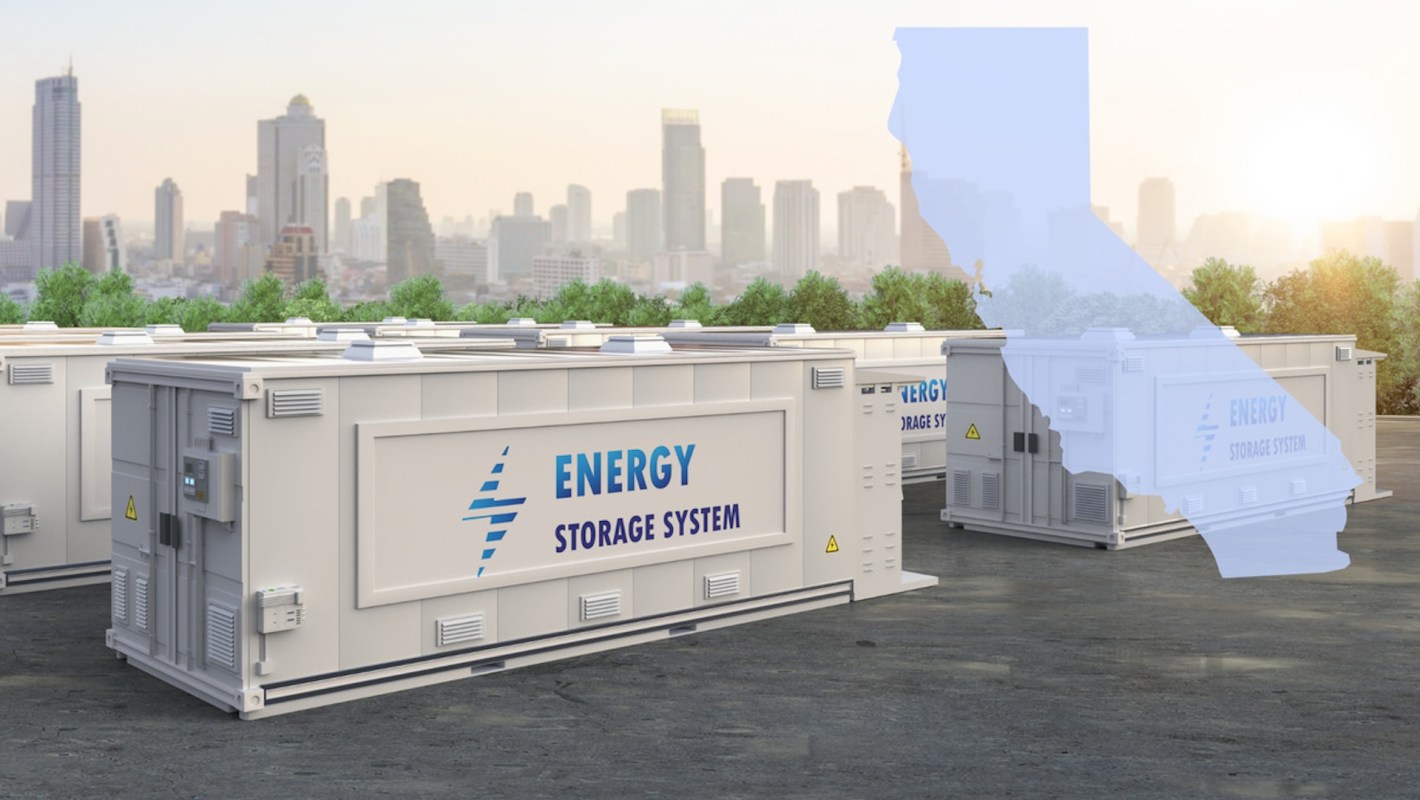
California battery owners in part of the state now have another way to earn money from energy already stored in their systems, thanks to a program expansion from virtual power plant platform Leap that could also help California's grid tap more backup capacity when electricity demand surges.
Here's what to know
Solar Builder reported that Leap has expanded its California battery export program through the state's Emergency Load Reduction Program. Under the company's ELRP A.4 offering, eligible battery systems are paid for electricity they send back to the grid.
Electricity use in California can jump during certain times of the day, putting extra strain on the grid. Reliability programs are meant to reduce pressure on the system, while behind-the-meter batteries at homes and businesses can help by discharging stored energy to the grid when that support is most needed.
Leap said battery systems have not broadly had access to this kind of compensation through statewide reliability programs. The company says the new option makes that stored capacity more useful for both battery owners and the grid.
The offering is open to eligible customers served by Pacific Gas and Electric Company.
More background
Virtual power plants, or VPPs, connect large groups of distributed energy resources — such as home batteries, solar-plus-storage systems, and smart devices — so they can operate like one coordinated energy source. This helps utilities and grid operators manage demand without relying only on large centralized power plants.
TCD Picks » Quince Spotlight
💡These best-sellers from Quince deliver affordable, sustainable luxury for all




One setback has been enrollment rates. Leap said traditional opt-in demand response models often bring in less than 10% of potential participants, which limits how much flexible capacity is available when the grid needs help.
Leap says ELRP A.4 is designed to improve that by allowing providers to directly enroll qualifying portfolios of battery customers. That avoids a common multistep utility authorization process that can slow participation or discourage it altogether.
Customers still receive notice that they are included and can opt out at any time, according to the company. That could make it easier for more battery owners to participate while giving grid operators access to a larger pool of stored electricity.
What's being done?
With this expansion, Leap is trying to make more battery capacity available to the grid at the moments it is needed most while also giving storage owners and providers a clearer path to revenue.
If a battery can do more than provide backup power or store solar energy for later use, it may become a stronger investment. Getting paid for exports could help improve the economics of home and commercial storage systems.
During high-demand periods, additional battery capacity can help reduce stress on the grid. That can support reliability and make better use of energy resources already installed across neighborhoods and businesses.
California's electricity programs are increasingly adapting for distributed energy. If more utilities and providers adopt simpler participation models, battery owners may see more opportunities to earn from the systems they already have while also helping stabilize the grid and potentially saving homeowners money.
Leap described the expansion as a way to unlock capacity that's already been there the whole time. As Trevor McManamon, VP of markets at Leap, put it: "By compensating battery exports and simplifying enrollment, this offering gives our partners a new way to generate revenue while helping grid operators access more of the flexible capacity already available across California."

Get TCD's free newsletters for easy tips, smart advice, and a chance to earn $5,000 toward home upgrades. To see more stories like this one, change your Google preferences here.






