


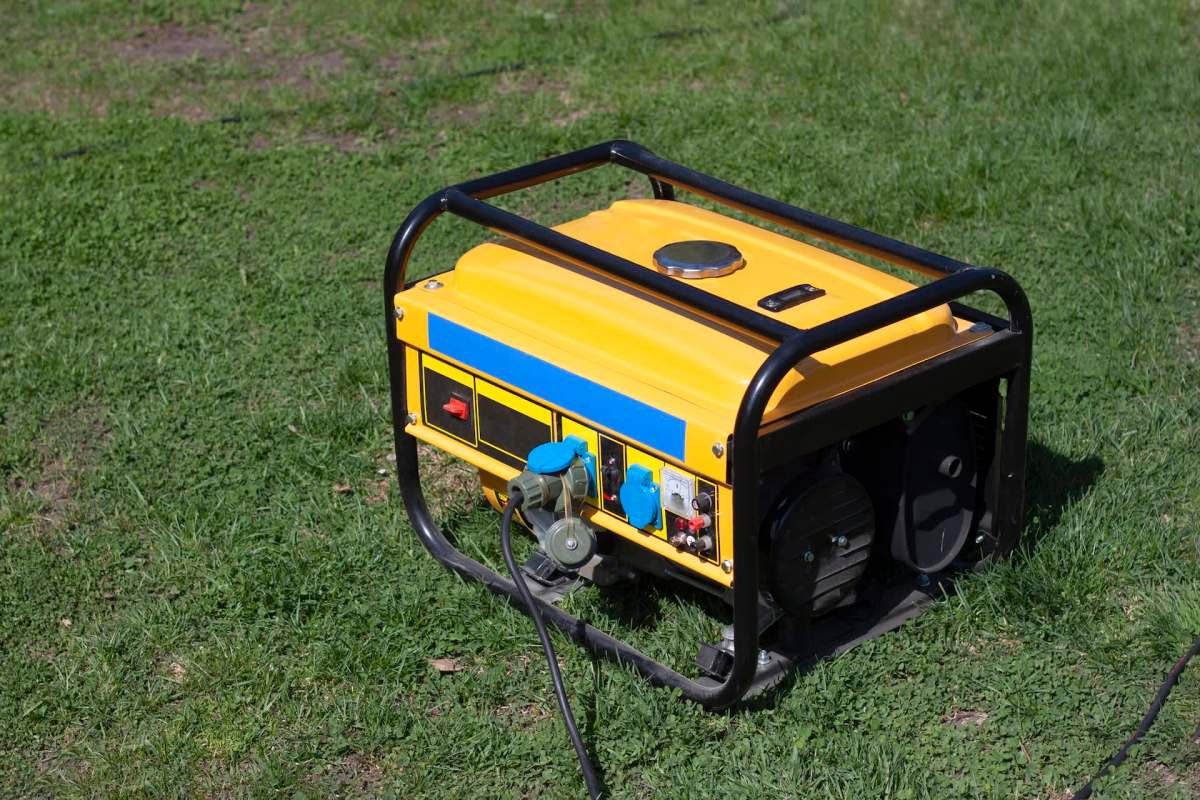
A family looking into backup power for its elderly parents turned to the internet for advice. With the parents living in a 1920s home in a coastal town surrounded by old trees, the poster felt certain power outages would occur this winter and wanted to help their parents prepare.
Here's what to know
Posting to Reddit's r/generator, the original poster explained that in an outage, their parents would need enough power to run a refrigerator, lights, a water heater, space heaters, and a CPAP machine. The OP added that their parents live in a 1920s house built by the poster's grandmother, with no insulation and an electrical system that still uses glass-tube fuses.
In the wooded coastal town where the parents live, outages from falling trees were common and often lasted days. This winter's El Niño, predicted to be one of the most powerful in history, was a particular concern for the poster.
"With or without epic rains, outages are inevitable," the OP wrote, adding that removing trees from the yard would cost "tens of thousands of dollars," which their parents could not afford. To provide their parents with backup power, the OP decided to buy them a generator.
"My parents have finally agreed to let us buy them a generator and I'd love some advice on which to choose," the OP said.
What commenters said
In the comments, fellow Redditors focused on practical considerations such as price and whether the OP's parents could use the generator in an emergency.
TCD Picks » Quince Spotlight
💡These best-sellers from Quince deliver affordable, sustainable luxury for all




"Can they yank on a pull start?" one asked, before adding: "Electric start and trickle charger."
"Pull starts are not easy- definitely recommend an electric start (push button)," another chimed in.
The cost of a standby generator also came up, with one commenter saying their whole-house generator cost $20,000 installed, plus $2,000 for a 330-gallon propane tank and another $300 for the propane itself.
Another commenter, who described themselves as an elderly parent in a forested town with aging trees, urged the family to contact a Generac dealer if natural gas or propane was available. They said their whole-house system had "performed flawlessly" for years, though it still required checking LED warning lights, oil, and batteries, and contacting the dealer about trouble messages.
Some replies cautioned against buying more generator capacity than the house needed. One commenter recommended writing down every appliance, figuring both startup and running demand, and then adding a 10-20% cushion, warning: "Do not buy significantly bigger than that, it's a waste of fuel."
What can be done?
Rather than suggesting one ideal model, commenters mostly framed the choice as a series of trade-offs. One said the first call is whether to go with an automatic standby generator or a portable setup that would either feed a panel or power devices through extension cords.
For older users, the most common recommendation was to reduce physical strain. Multiple commenters suggested electric start instead of recoil start, and one paired that recommendation with a trickle charger so the generator would be ready when needed.
A lower-cost middle ground also emerged in the thread. One commenter suggested "a small manual transfer switch, a 3-4 kwh power station and a small propane generator to recharge it. Less fuel, less noise, versatile."
The OP also clarified that the house had a fireplace and a single gas heater, which could cut down their parents' reliance on electric space heaters during an outage. Another commenter recommended finding out whether the home runs on a well pump or city water, since a well pump would need backup power from the generator.
Where can I learn more?
If you're comparing backup power options, it may help to look beyond traditional gas generators. These articles explore battery backups, solar-linked systems, and the health risks of generator use.
• Homeowners have been replacing gas units with safer battery backup systems that avoid fumes and frantic refueling.
• After Hurricane Beryl, families faced carbon monoxide poisoning risks when generators ran too close to home.
• Across the U.S., next-gen home batteries have been reshaping outage planning without gasoline storage.
• Winter outages have exposed the limits of fuel-burning generators while solar-backed batteries have kept essentials running.
• More homeowners have been ditching aging units for cleaner outage-ready backup that stores power quietly at home.

Get TCD's free newsletters for easy tips, smart advice, and a chance to earn $5,000 toward home upgrades. To see more stories like this one, change your Google preferences here.






