


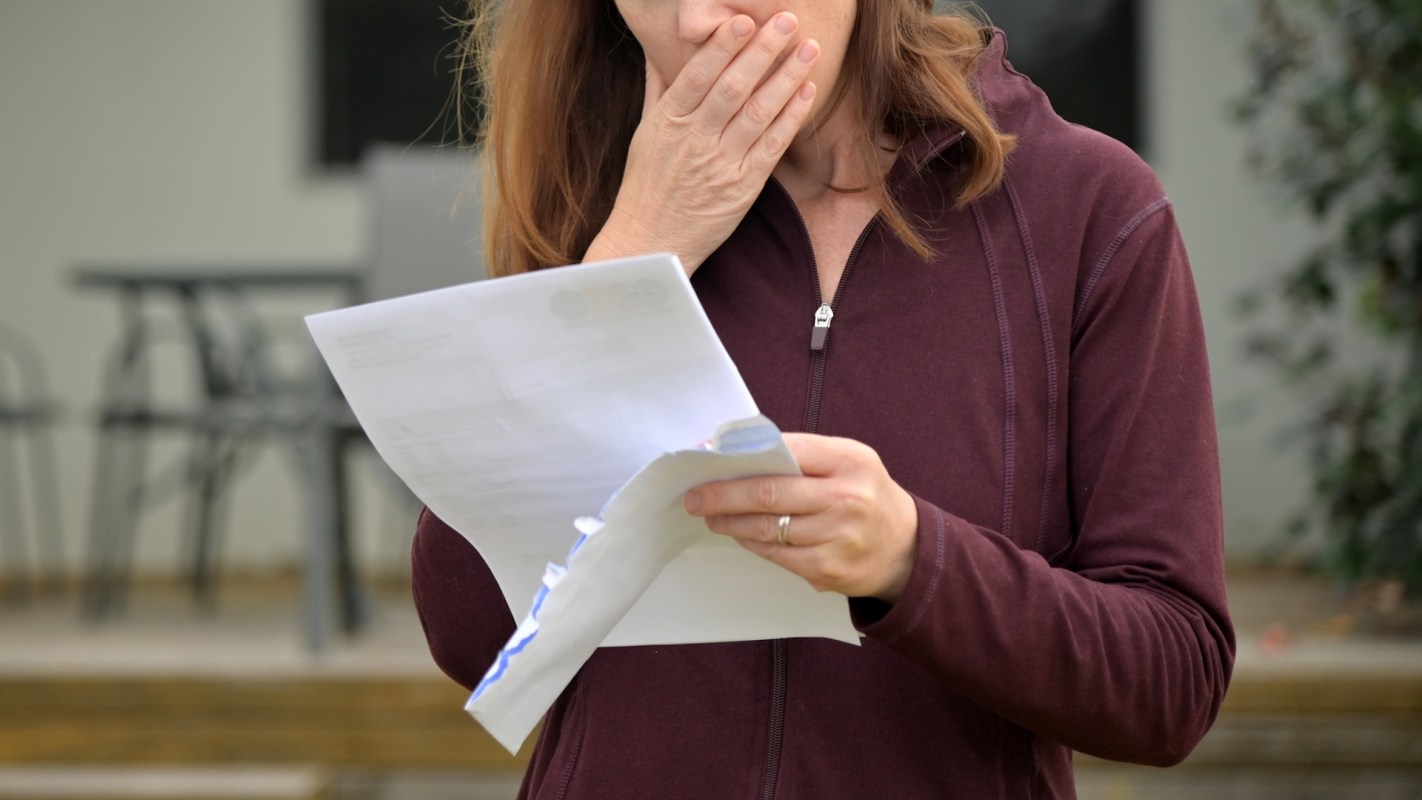
One homebuyer in Florida discovered the rare case in which their home's solar panels aren't a selling point: they came with a surprise bill for $20,000.
The new homeowner posted seeking help on r/legaladvice. "I recently bought a foreclosed house in Florida that was advertised in the MLS as having 'paid off solar panels,'" they explained. "After closing, I contacted the solar company to transfer service to my name, only to discover the system isn't actually paid off."
According to the original poster, this was the first they heard about the issue; they bought title insurance, which came back clean, and they did not have the budget for an additional $20,000. However, all their attempts to sort it out through the proper channels had been ignored or put off. Meanwhile, the solar company was on their case for payment.
"They're offering me two options: take over payments or pay a lump sum," the OP said. "I don't want either option — I expected a paid-off system as advertised. … Is my only option to wait and see what happens with title?"
This nightmare scenario is an outlier. In nearly all cases, solar panels are one of the best ways to save money, because they can eliminate or significantly reduce your energy bill. However, many homeowners don't have tens of thousands of dollars in the budget to buy solar panels, which is where solar panel leasing programs come in, eliminating this upfront cost.
If leasing might be for you, read up on Palmetto's LightReach solar leasing program, which offers minimal upfront costs, including plans with no money down.
If you would rather buy solar panels than lease them, EnergySage has information on reliable installers in your area, as well as a way to get quotes from them all in one place. For help choosing between buying from EnergySage's marketplace or leasing through Palmetto, check out this list of pros and cons.
Thankfully, for this homeowner, the news appeared to be good.
Get $1,000 cash to slash your bills with rooftop solar panels for $0 down and low monthly payments Whatever your solar budget, Palmetto can help you save. If you want to buy your own panels, Palmetto's advisors can help you save up to $10,000 on installation through a network of preferred installers. And if you'd rather get solar savings without upfront costs, Palmetto's revolutionary LightReach subscription program can deliver — including an exclusive $1,000 cashback offer for TCD readers. LightReach lets you lease solar panels with no money down, making it painless to lock in long-term savings of up to 33% off your current power bill. Palmetto covers a 25-year warranty for the panels, which means you'll get reliable performance without unforeseen costs. To get started, just book a short meeting with Palmetto's experts to explore your options and find the solution that's right for you. |

One commenter wrote: "Generally, solar panels are fixtures and part of the house, and are not considered personal property.
"The solar company should go after the prior owner for what is their personal, unsecured debt. The debt doesn't convey to you as the new owner and the solar company has no claim to the house or the panels, because if they did that would have been disclosed during closing. You own the house and everything that is part of it."
|
What's the biggest concern you'd have about getting solar panels? Click your choice to see results and speak your mind. |
 The cost 💰
Join our free newsletter for easy tips to save more and waste less, and don't miss this cool list of easy ways to help yourself while helping the planet.
Cool Picks






