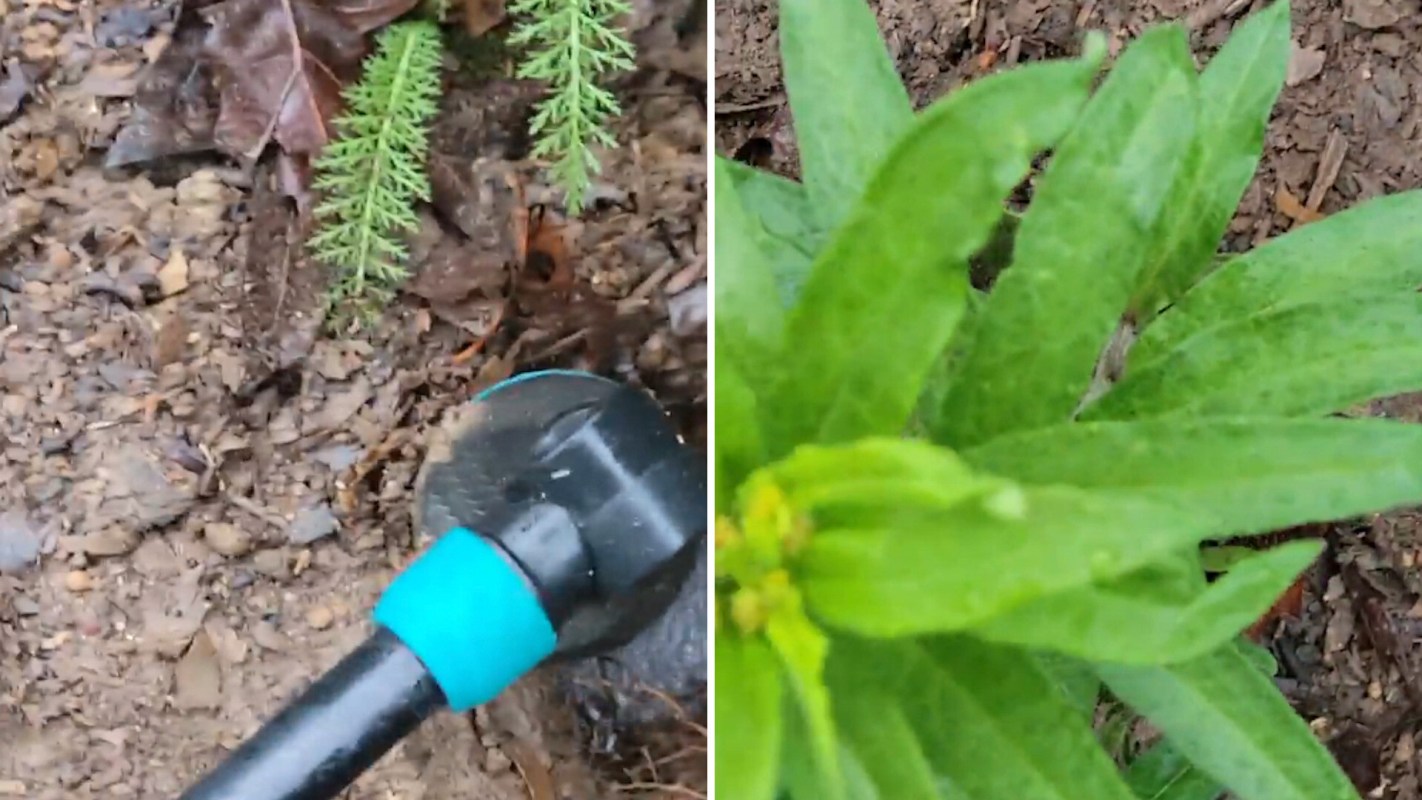
A Reddit user in the mountains of southern Virginia says a mystery burrower has turned their yard into a maze of oversized tunnels, chewing through plant roots, milkweed, and yarrow. So far, every trap and home remedy has failed.
They described an ongoing struggle with a burrowing animal that seems different from the voles already known to be on the property.
"I've tried cayenne pepper, castor granules, flooding the tunnels and filling with gravel, corn meal/ baking soda (they loved it, it did nothing), baiting traps with peanut butter and seeds, then slim jims, then bacon smoked with a match before setting the trap," the original poster explained. "I caught nothing."
"I tried flooding the tunnel but after 30 minutes, the water was still going down." In the video they posted, a water hose pushes a rush of water into a hole in the ground.
"What am I dealing with and how do I deter it?" they asked.
(Click here if the video does not appear.)
TCD Picks » Quince Spotlight
💡These best-sellers from Quince deliver affordable, sustainable luxury for all




"It's rats. If flooding holes worked for burrowing animals, they'd all die from every heavy rainstorm," the top comment read.
Others noted that burrowing animals are notoriously hard to remove with improvised methods, especially on large rural properties where they can simply relocate underground.
Burrowing animals can destroy roots, undermine beds, create tripping hazards, and potentially spread fleas or disease around homes, sheds, and animal enclosures.
Species such as milkweed and yarrow help support pollinators and contribute to a healthier yard ecosystem. Replacing even part of a traditional lawn with native plants, clover, buffalo grass, or xeriscaping can save money on fertilizer and mowing, reduce water bills, and cut back on the time spent maintaining thirsty turf.
Several commenters suggested identifying the animal before escalating control efforts. They also recommended using an inexpensive outdoor camera with night vision near active burrow entrances to see exactly what is entering and exiting the tunnels.
Homeowners dealing with persistent burrowers may want to contact a licensed pest professional rather than rely on risky DIY fixes passed around online, especially in households with pets, chickens, or wildlife nearby.
Physical protection can also help limit damage while the pest issue is being sorted out. Raised beds with sturdier hardware cloth, reinforced planting zones, and a focus on partial lawn replacement instead of a full overhaul can all make a yard easier to manage.
After trying fix after fix, OP summed up their mood with, "I'm about to cement the whole place haha. Devious little engineers."

Get TCD's free newsletters for easy tips, smart advice, and a chance to earn $5,000 toward home upgrades. To see more stories like this one, change your Google preferences here.