


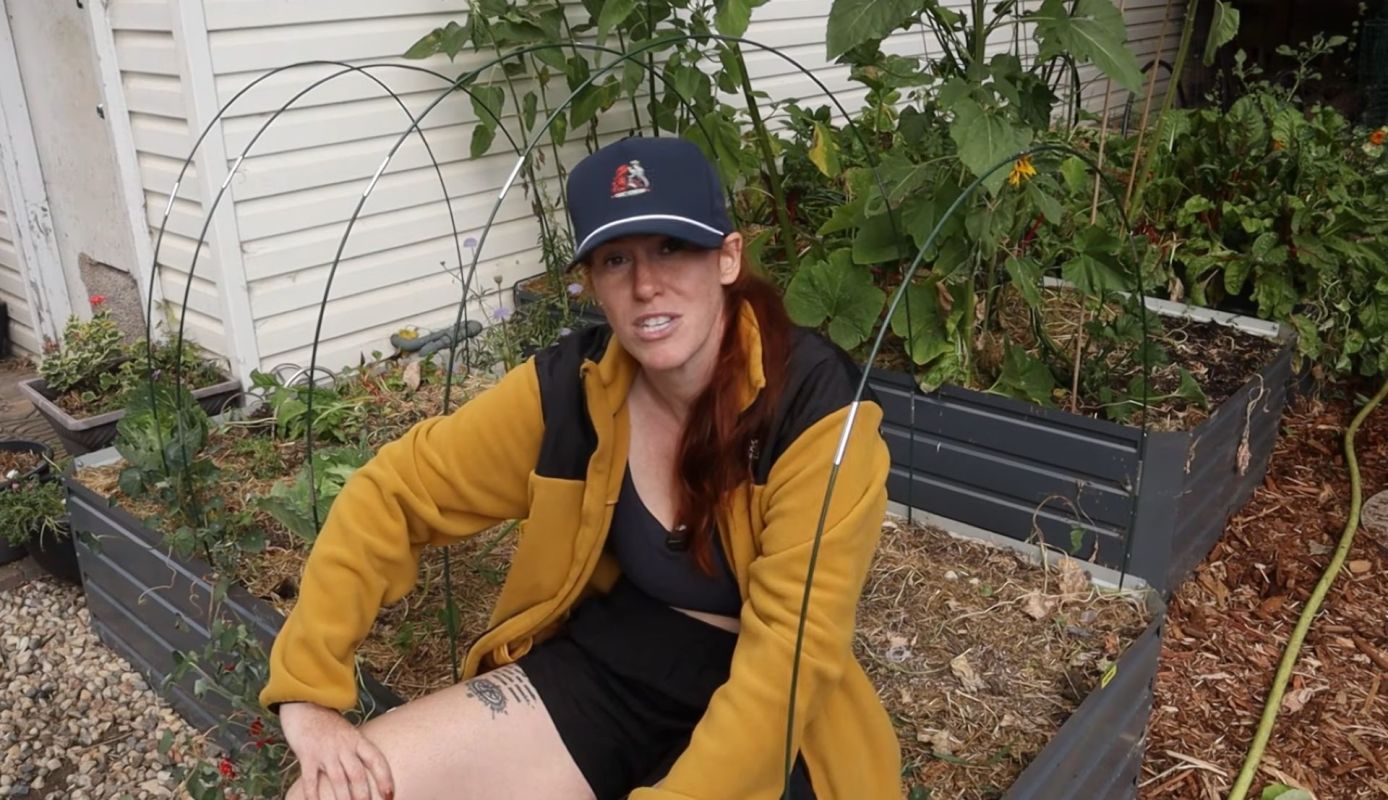
A Saskatchewan gardener says her brassica beds were wiped out by disease and pests, turning what should have been a productive stretch of cabbage-family crops into a cautionary tale for anyone growing fall vegetables.
Here's what to know
After losing three or four beds of brassica plants, including Brussels sprouts, cabbage, and kohlrabi, Ashley, the creator behind Gardening In Canada (@GardeningInCanada), used a YouTube video to walk through the brassica problems she says gardeners should check first. "This year's not my year for brassica," she said, explaining that one bed was "heavily diseased, dead, and done."
She identified clubroot as one of the most serious concerns, especially in the Prairie provinces of Canada, where she said widespread canola production raises the stakes for brassica growers.
Black rot, Ashley said, is caused by bacteria rather than fungi, so fungicides will not fix it. She also flagged cabbage root maggots as a major threat and said floating row cover works best as a preventive measure, since the larvae develop after adults lay eggs near newly transplanted plants.
The Canadian gardener's list also included downy mildew, hollow stem that she linked to stress or stem cracking, and sclerotinia, a disease favored by moisture that is also known to harm canola and sunflowers.
More background
Ashley's experience highlights how backyard gardens can be affected by the larger farm landscape around them. In places ringed by canola fields, pests and diseases that target commercial brassica-family crops can also show up in home beds.
TCD Picks » Quince Spotlight
💡These best-sellers from Quince deliver affordable, sustainable luxury for all




Commenters said the problems sounded familiar. One wrote, "One of my brassicas got hit with the cabbage root maggots, but the rest of my brassicas were fine, at least for now." Another added, "UGH, I hate me some clubroot... back when I worked as a land rec we had to wash our trucks every time we crossed county lines."
A third commenter linked crop damage to severe weather, writing, "I have a bunch of brassicas with hollow stem this year because we had a really bad hail storm."
Growing vegetables at home can mean fresher, better-tasting food while supporting mental and physical health through time spent outdoors and regular movement. However, disease and pests can quickly wipe out a harvest, which can be a frustrating outcome after a season of hard work.
What can be done?
For cabbage root maggots, Ashley pointed to prevention rather than harsher treatments: row cover put in place immediately after transplanting can help keep the problem from starting. If black rot is suspected, she said sanitation is essential and that infected material should be thrown in the trash instead of composted.
Ashley also advised long crop rotations for brassicas and said gardeners should avoid moving soil from contaminated beds. That may help protect future harvests.
For anyone looking to protect a home harvest and keep grocery costs down, controlling pests without chemicals is best for edible plants and your local ecosystem.
As the creator put it, the goal is to avoid ending up with "three, four beds empty because everything was destroyed by disease."

Get TCD's free newsletters for easy tips, smart advice, and a chance to earn $5,000 toward home upgrades. To see more stories like this one, change your Google preferences here.







