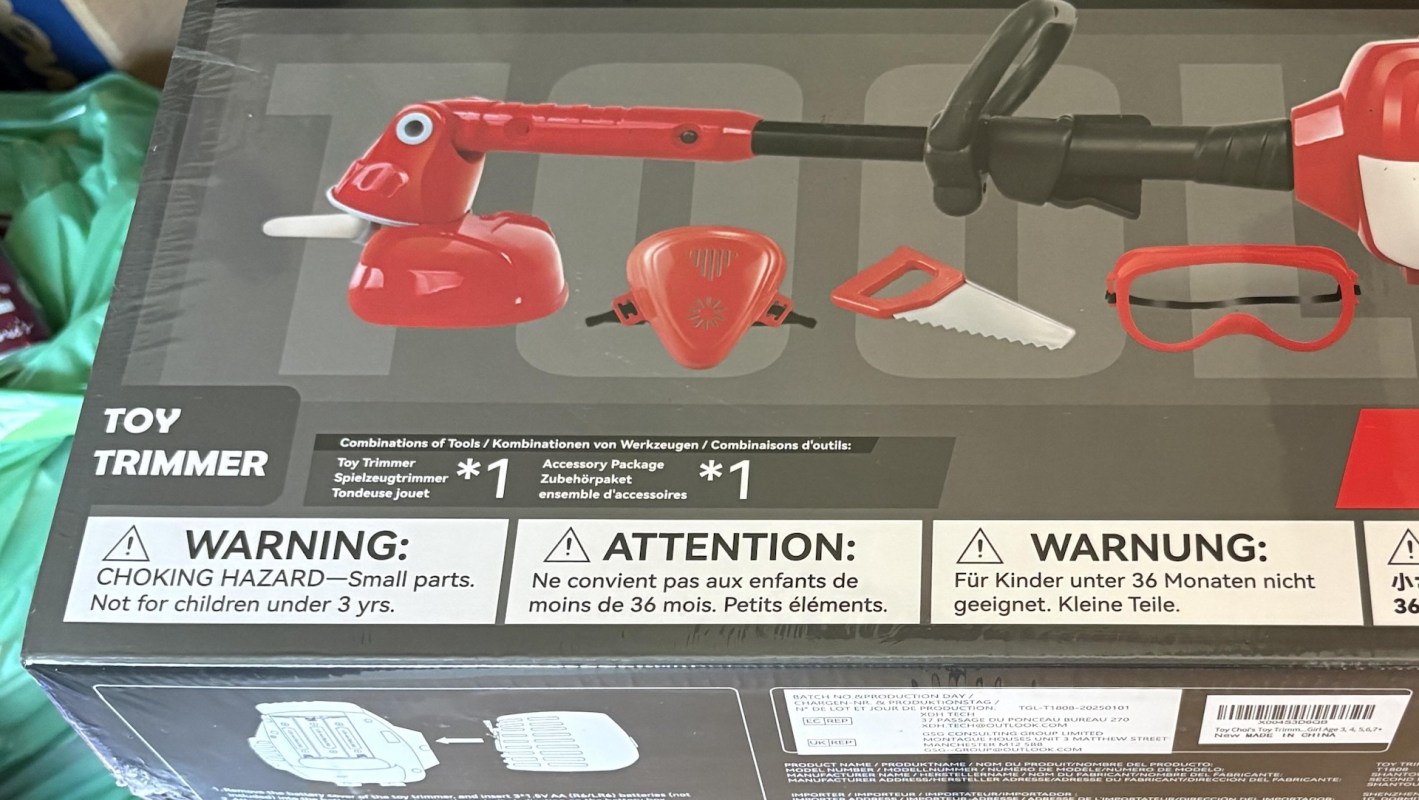
When one Reddit user shared that their parents send toy versions of birthday gifts if the real item hasn't arrived yet, the internet had two immediate reactions: It was oddly adorable — and it was a lot of unnecessary plastic.
What started as one quirky family habit quickly turned into a broader conversation about waste, gifting pressure, and cheaper, lower-waste ways to keep the surprise alive without buying extra stuff.
In a post on r/Anticonsumption, a user explained that their parents "always" send a toy version when the real birthday present is delayed in shipping.
The original poster was not charmed by the tradition. "I have no kids nor children in my life. I have no use for the plastic versions," they wrote. They added that while the gesture may be intended as "cute" symbolism, it felt "damn wasteful" and created "something else to have to deal with."
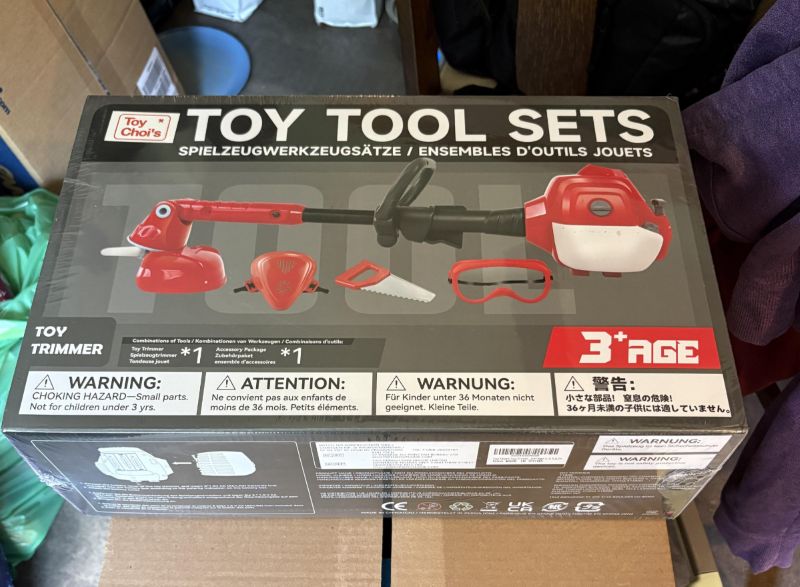
Many commenters could see both sides. While the parents were trying to make a late gift feel fun, the extra item still cost money, used plastic, and became one more thing to store, donate, or throw away.
Others shared lower-waste versions of the same idea. One user wrote, "My parents print out a picture of it (black and white of course, never color ink!)," while another said their family uses cutouts from store ads instead.
TCD Picks » Quince Spotlight
💡These best-sellers from Quince deliver affordable, sustainable luxury for all




The exchange highlights a familiar consumer trap. When a gift is delayed, people often feel pressure to buy something else right away so the occasion still feels complete. That can lead to spending more money than planned and creating clutter that nobody actually wants.
For people trying to save money, a symbolic placeholder can be a smart workaround — but only if it does not become another unnecessary purchase. A printed photo, handwritten note, or homemade "gift certificate" can preserve the surprise without adding more plastic to the pile.
The thread also underscored how even well-intentioned gifts can create hidden work for the recipient. The original poster later explained, "I'm physically disabled and ADHD and life's already got enough tasks embedded. I will do something kind with it, but damn I didn't need another thing to get around to handling…."
That frustration is relatable for anyone trying to live with less. Anti-consumption is not just about buying fewer items; it is also about reducing the time, energy, and stress that unwanted stuff creates.
If you want to keep the fun of a delayed gift without the waste, commenters offered a few practical alternatives. The suggestions were to print a picture of the item, clip it from an ad, or make a simple card with the tracking number inside. That keeps the moment playful while costing little or nothing.
If you have already received an unwanted placeholder, donating it can extend its usefulness and save another family money. Commenters suggested toy libraries, schools, children's hospitals, domestic violence shelters, Buy Nothing groups, and holiday toy drives.
Several people pointed out that niche toys can still be exciting to the right child. As one teacher wrote, "As a teacher working with neurodivergent kids I know for a fact there's absolutely an educator out there who's dying to get toys like this."
For families who love giving gifts, wish lists can help too. That way, if someone feels compelled to send something, it is more likely to be useful rather than another object to rehome later.

Get TCD's free newsletters for easy tips, smart advice, and a chance to earn $5,000 toward home upgrades. To see more stories like this one, change your Google preferences here.