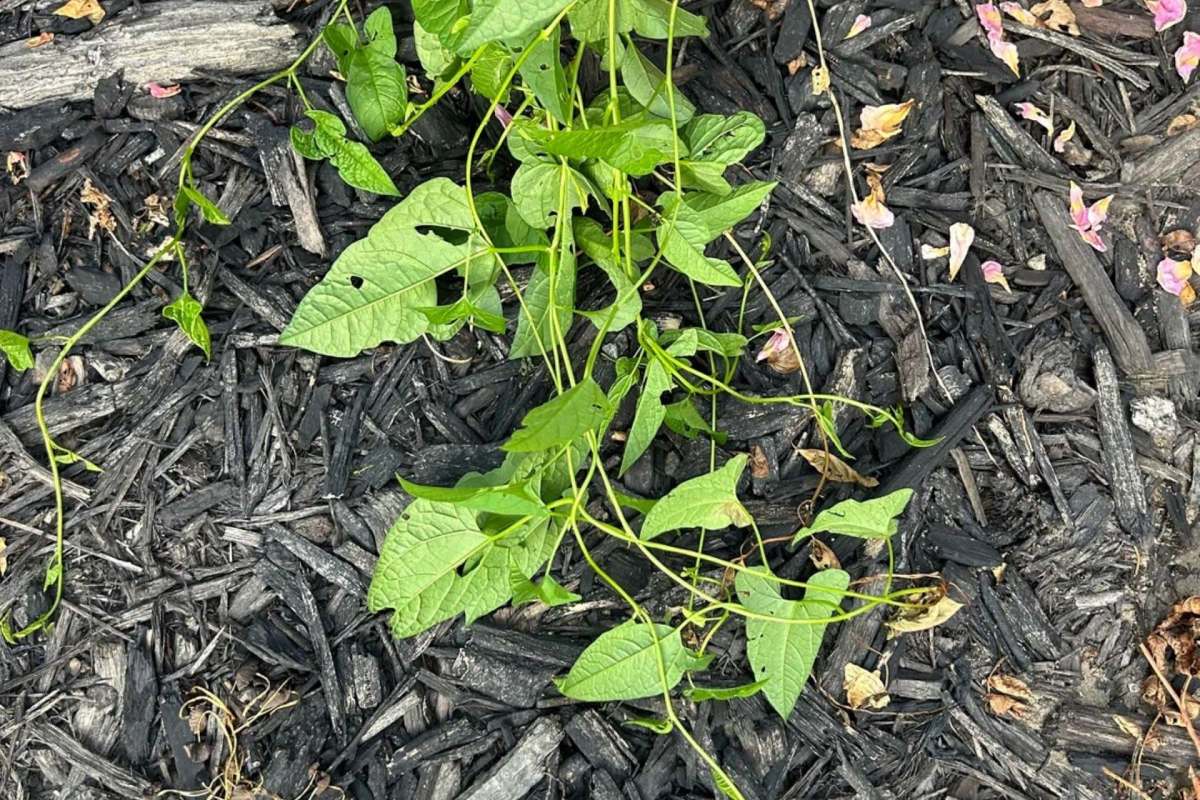
Bindweed may look harmless at first, but gardeners say the stubborn vine can quickly become a frustrating struggle through the whole season.
One Reddit post about the aggressive weed sparked a wave of responses from people who said they've dealt with the same problem and know how difficult it can be to remove.
What's happening?
In the post, the original poster shared a photo and vented, "This stuff is the devil." They added, "I believe it's called bindweed," and multiple comments agreed on that identification.
The discussion shifted into an exchange of strategies, with commenters warning that bindweed is among the hardest weeds to manage because it can keep reappearing from roots below the surface.
One Redditor commented that "you can exhaust the roots manually and see progress." Another user suggested, "Snip the ends off and then dip the ends into a bottle/jar filled with weed killer. The bindweed will absorb the poison and die."
Treatment choices became a major point of debate.
TCD Picks » Quince Spotlight
💡These best-sellers from Quince deliver affordable, sustainable luxury for all




Some gardeners said they use herbicides in limited ways on lawns or apply weed killer directly to the leaves, while others argued against using chemical controls in home yards altogether. Even so, many commenters agreed that bindweed is easier to tackle before it produces seed and that single-step solutions usually do not solve the deeper root problem.
Why does it matter?
Bindweed can wrap around flowers, vegetables, and shrubs, forcing people to spend more time pulling, digging, and monitoring garden beds that were supposed to be relatively low-maintenance.
The discussion also highlighted how weed-control choices can create additional problems. One commenter warned, "If you use a lot of salt you are effectively poisoning the soil."
Large areas of traditional turf often require more water, more mowing, and more weed management than many homeowners want to take on. Replacing even part of a lawn with native plants, clover, buffalo grass, or xeriscaping can save both time and money on maintenance while also lowering water bills. This can leave less room for problem weeds to take over, especially in difficult corners, borders, and hot, dry patches.
What can I do?
Commenters most often urged people to think long term. Instead of expecting one round of pulling or spraying to finish the job, they recommended removing new growth repeatedly so the plant gradually weakens over time.
Since broad salt use can damage soil, and herbicides should be applied only within label directions and local rules, a careful approach is important. For many gardeners, that means persistent hand-pulling in beds and more targeted management where bindweed is spreading through lawns.
Reducing the amount of high-maintenance turf on a property can make weed battles less constant. Homeowners looking for lower-effort options can check out the TCD Guide's page on upgrading to a natural lawn or its page on rewilding your yard.
Options like native plants and clover reduce mowing and watering, and even a partial lawn replacement can provide those benefits. In addition, moss can actually be a little-known grass alternative that's resistant to weeds and doesn't require nutrient-rich soil to thrive.

Get TCD's free newsletters for easy tips, smart advice, and a chance to earn $5,000 toward home upgrades. To see more stories like this one, change your Google preferences here.