


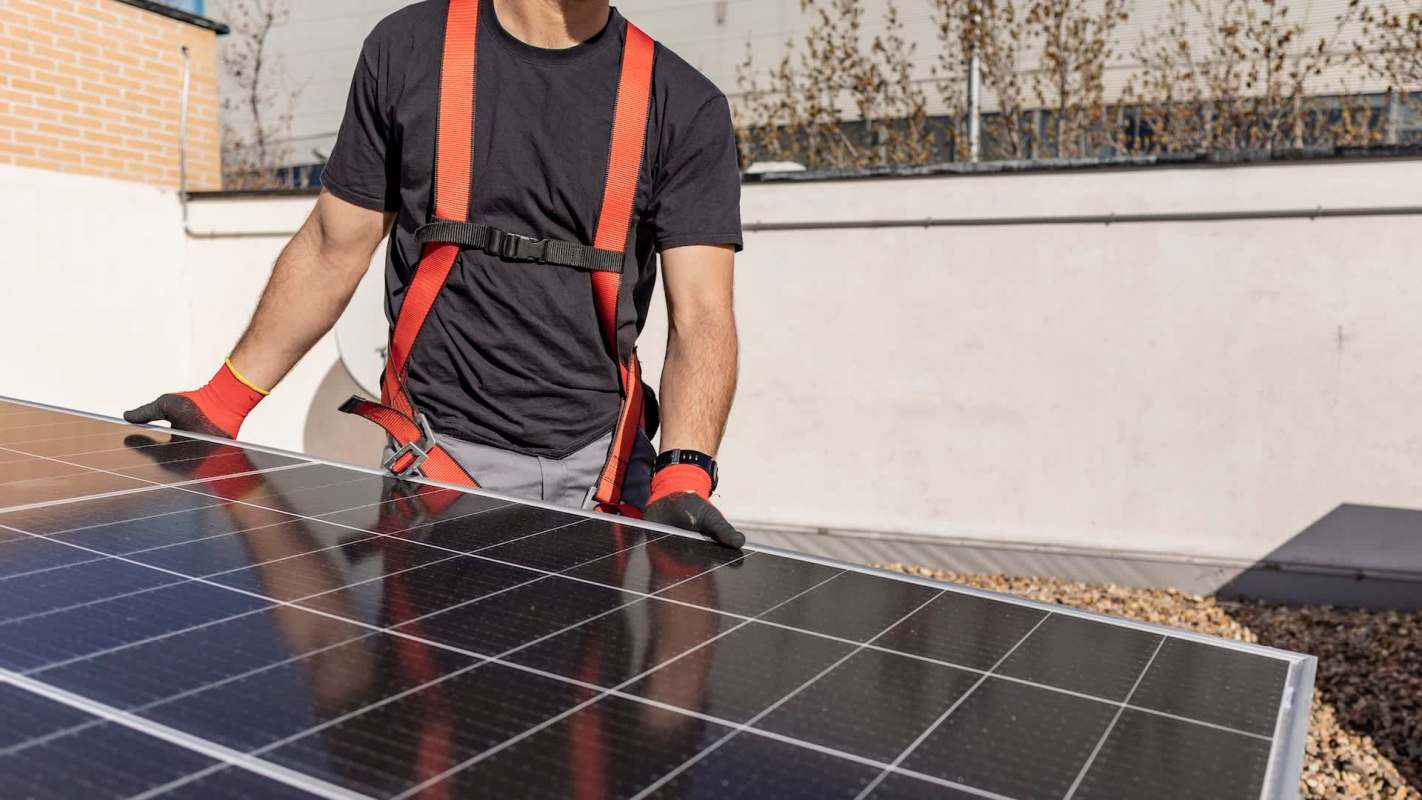
A knock at the door can make rooftop solar sound like an easy win. You might hear "free panels," or be told of endless government support, and electric bills that vanish.
However, the Better Business Bureau says those promises can also be an early warning sign of an expensive scam.
Here's what to know
In its report, KYMA said the BBB is warning homeowners to scrutinize unexpected solar offers, particularly when salespeople tout federal tax breaks, advertise "free solar panels," or suggest monthly electric bills will fall to nothing.
KYMA added that many of the federal incentives once available to solar buyers are no longer in place after they were retired under direction from the Trump administration, so exaggerated credit claims deserve extra skepticism.
One customer highlighted in BBB Scam Tracker said he paid $52,000 for panels and a battery and later found the system repeatedly shutting down after the installer went out of business, per KYMA.
In a separate account, a buyer said he was assured the system would generate enough electricity to erase his power bill, yet he still had to cover those charges plus a $128 monthly lease payment.
The BBB has also stressed that many solar owners are happy they made the switch. Experts quoted by KYMA did say, however, that most households should not expect solar to fully eliminate their electricity costs, even if they are substantially reduced and save enormous amounts of money in the long run.
More background
Rooftop solar can make everyday life more affordable when it is installed and financed properly, lowering household energy costs while also cutting pollution tied to fossil-fueled electricity. But solar contracts can be complicated, and differences in incentives, system design, and company stability can create openings for bad actors to take advantage of confused buyers.
Save $10,000 on solar panels without even sharing your phone number Want to go solar but not sure who to trust? EnergySage has your back with free and transparent quotes from fully vetted providers that can help you save as much as $10k on installation. To get started, just answer a few questions about your home — no phone number required. Within a day or two, EnergySage will email you the best local options for your needs, and their expert advisers can help you compare quotes and pick a winner. |

The BBB said scams can take several forms, from collecting personal banking information "to see if you qualify" to demanding upfront payments tied to fake reimbursement programs. In some cases, installers start work and never finish it, or they install panels so poorly that the system never performs as promised.
BBB now advises homeowners to check complaints, use BBB.org to verify accredited solar businesses, seek at least three written estimates, and avoid signing under pressure. Buyers should also ask who is responsible for maintenance and repairs if an installer goes out of business.
If you want solar panel estimates from vetted installers, check out EnergySage. EnergySage's free services can also help homeowners avoid the high-pressure sales tactics that often come with doorstep pitches.
The average person who uses EnergySage's quote comparison tools can save up to $10,000 on solar purchases and installations. That kind of side-by-side comparison can make unrealistic promises easier to spot before a contract is signed.
More From EnergySage
💡Go deep on the latest news and trends shaping the residential solar landscape


Get TCD's free newsletters for easy tips, smart advice, and a chance to earn $5,000 toward home upgrades. To see more stories like this one, change your Google preferences here.







