


Getting the most out of your garden doesn't always have to be an arduous chore. Sometimes, a little creativity can go a long way.
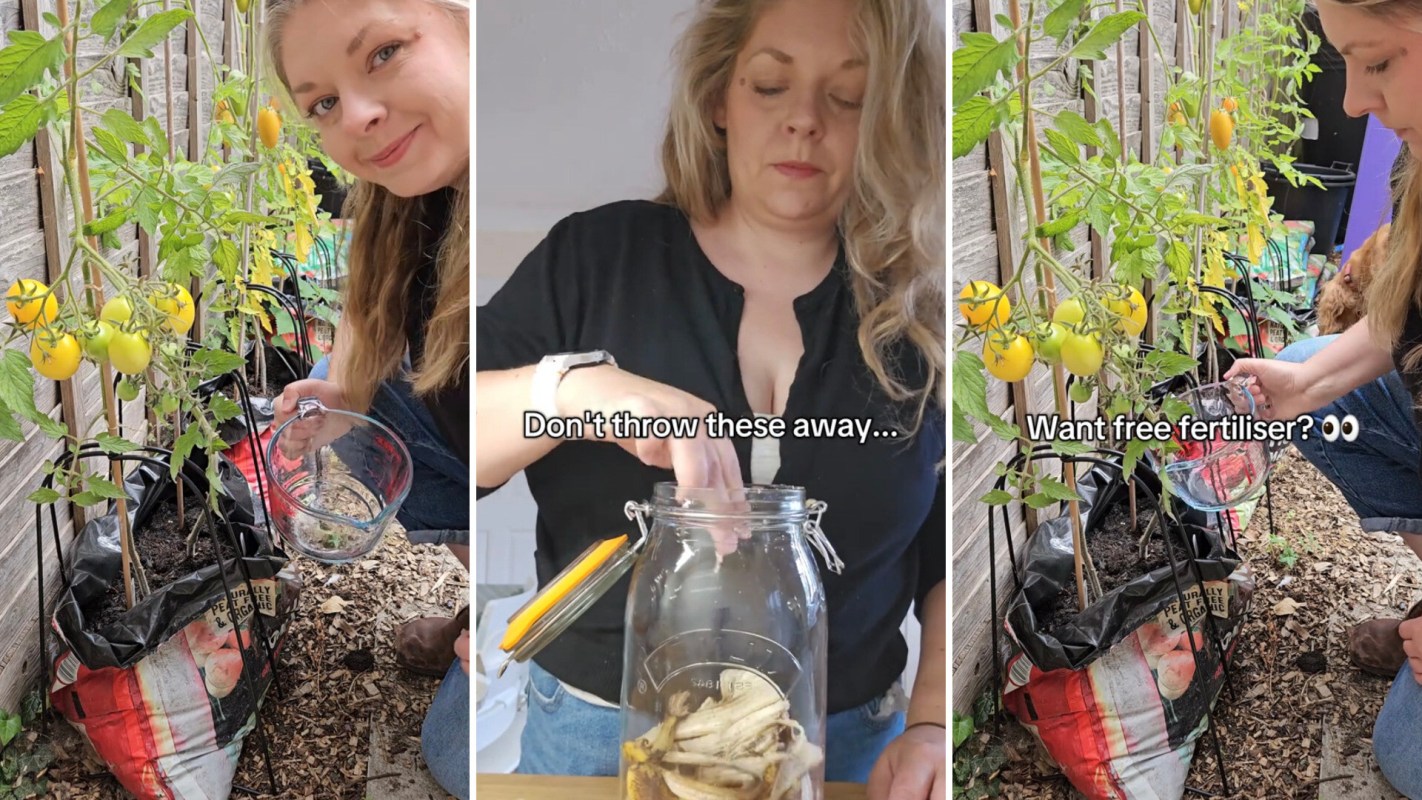
Kitchen gardener and TikToker Bryony (@bryony_willis) highlighted a very simple fertilizing hack that only used leftover banana peels and water.
@bryony_willis 🍌✨ Stop binning your banana peels – they're free fertiliser! Banana peels are packed with nutrients your plants love. They're especially rich in: Potassium (K): Helps plants grow stronger roots and produce more flowers + fruit. Phosphorus (P): Encourages healthy root development and supports seedling growth. Calcium & Magnesium: Keep soil balanced and plants resilient. When you throw them away, all those goodies are lost. But when you return them to the soil, you're creating a natural, free fertiliser that boosts plant health 🌱 ✨ How to use banana peels in the garden: 1. Banana Peel Tea (fast release): Chop up 2–3 peels and soak them in a jar of water for 2–3 days. Strain and use the liquid to water your plants. The soak helps release nutrients into the water quickly. 2. Chop & Drop (slow release): Cut peels into small pieces and bury them directly into the soil. They'll break down over a few weeks, feeding your plants gradually. 3. Powdered Peel Boost (long-lasting): Dry banana peels until crisp, then blitz into a powder. Sprinkle into soil or mix into compost for a long-term nutrient supply. 👉 Pro tip: Avoid adding whole peels straight onto the soil surface – they take longer to break down and can attract pests. Smaller pieces = faster decomposition and less chance of critters. So next time you eat a banana, think of it as plant food in disguise 🌿🍌 Full video tutorial above 👆 Save this post for your next banana peel! 🌱✨ #gardeningforbeginners #gardeninghacks #bananapeelfertilizer #kitchengarden ♬ Sunny Side of the Stream - Alan Gogoll
The scoop
If you consider yourself an accomplished gardener, then you've probably shoveled a scoop of fertilizer or two. Over time, it can add to the growing list of expenses it takes to maintain a garden.
Luckily, there's a way you can save some extra cash while also promoting more eco-friendly plant growth.
"Stop binning your banana peels – they're free fertilizer!" wrote the TikToker.
As demonstrated by Bryony, old banana peels can serve a purpose that goes well beyond wasting away in a landfill. Instead, you can toss a few peels inside a jar with some water and let nature run its course. After just a few days, you can strain the liquid out of the jar and spray it over your plants.
TCD Picks » Quince Spotlight
💡These best-sellers from Quince deliver affordable, sustainable luxury for all




You can also use the tried-and-true chop and drop method. Simply cut up your banana peels, and bury them in your garden soil. Over time, the peels will decompose and serve as much-needed food for your hungry plants.
How it's helping
As noted by the TikToker, banana peels are rich with essential nutrients like potassium, phosphorus, and calcium. These nutrients can help support root development, disease resistance, and overall growth.
Fertilizers are often used to supply plants with essential nutrients that are sometimes lacking in various soil types. This can help promote healthier plant growth and even better yields.
However, some fertilizers can produce excess nitrogen and phosphorus, which can then wash into waterways, leading to nutrient overload. The production of synthetic fertilizers can also rely on fossil fuels, which greatly contributes to rising global temperatures.
|
How much time do you spend taking care of the plants inside or outside your home? Click your choice to see results and speak your mind. |
 Several hours a week 🧑🌾
 Making plant-based fertilizer can often offer similar benefits to synthetic fertilizers without the unwanted side effects. Plant-based fertilizers also provide a slower release of essential nutrients, making them safer for plants and less prone to overfertilization.
No matter what you grow, tending to your garden can provide you with delicious, fresh fruit and vegetables. It can also give you a boost to your mental and physical health as well. By staying active and maintaining a garden, you can develop a better sense of accomplishment and source for some easy stress relief.
What everyone's saying
Down in the comments section, one user appeared to be impressed with the gardening hack.
"Great advice," they wrote.
A concerned commenter said, "The issue is, the resulting liquid attracts flies like you wouldn't believe."
But Bryony responded, "You can water it down 50/50 to reduce flies."

Join our free newsletter for easy tips to save more and waste less, and don't miss this cool list of easy ways to help yourself while helping the planet.






