


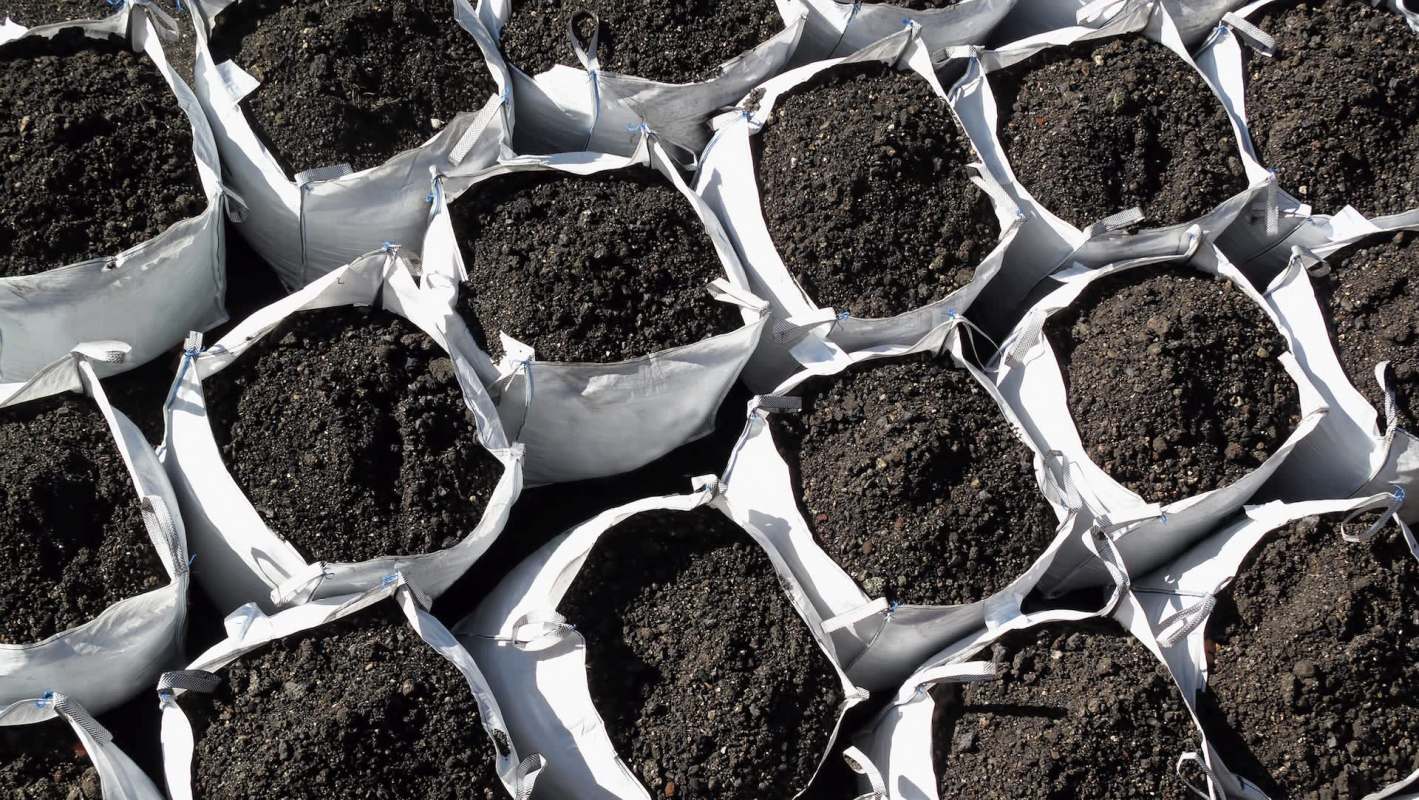
Some home gardeners say bagged products sold as "garden soil" or "top soil" aren't what they say they are — instead seeming to be more like mulch than soil that's actually effective for planting. Complaints about that problem are gaining traction online.
What's happening?
A recent post in Reddit's r/gardening community discussed this issue. The gardener behind it wrote: "It's mulch and NOTHING will grow in it." The complaint resonated, earning more than 1,071 upvotes and 212 comments on Reddit.
The author of the post portrayed the issue as broad, arguing that it "doesn't matter where you buy it or from what distributor, local nursery, national box store, specialty shop … it's all the same."
Most replies shared the same frustration, although some people said where you shop could make a difference. One wrote, "I'd say the soil from my local nursery is a lot nicer than from the big box store, but you're right."
Another user agreed with the poster's complaints of not finding quality soil: "Yes, I have noticed that most of what's sold as potting soil, especially for raised beds, is very woody these days."
The comments also became a place to trade advice on compost sources, premade blends, and do-it-yourself mixes that may work better in gardens.
TCD Picks » Quince Spotlight
💡These best-sellers from Quince deliver affordable, sustainable luxury for all




Why does it matter?
Gardening is not only a hobby for many households. Growing foods like tomatoes, herbs, greens, and strawberries at home can cut grocery costs, deliver fresher flavor, and offer mental and physical benefits through outdoor time and regular movement.
Terminology was another talking point in the thread. One commenter wrote, "many people don't realize: dirt is only made of inorganic material," highlighting that gardeners are usually looking for a mix that incorporates compost and contains organic matter and microbes.
Labeling may be part of what's fueling the backlash. When a bag is marketed for planting, shoppers expect a material that helps plants grow, not something that functions more like mulch used to suppress weeds.
What can I do?
In the comments, gardeners suggested a few ways around the problem. Shopping carefully was one recurring tip, since some people said local nurseries offer better options than big-box stores. Public compost programs came up too, including one commenter who shared, "My city has a compost depot ... and you can get a bin a day for free!"
For anyone starting a food garden, building or improving soil over time may be more reliable than depending entirely on bagged products. Compost and other amendments can help create a richer growing medium for vegetables and fruit. If you're interested in getting started, The Cool Down's guide to growing your own food offers practical steps for beginners.
One commenter joked, "I want artisan dirt!" while another pointed to the payoff from better soil, describing strawberries and tomatoes as "the tastiest ... I've ever grown in my life."
Good soil may not solve every gardening problem, but it can make home growing more successful, affordable, and rewarding.
As the original poster put it, "It's not soil. Its wood chip and leaf mulch. There is no dirt!!!!"

Get TCD's free newsletters for easy tips, smart advice, and a chance to earn $5,000 toward home upgrades. To see more stories like this one, change your Google preferences here.






