


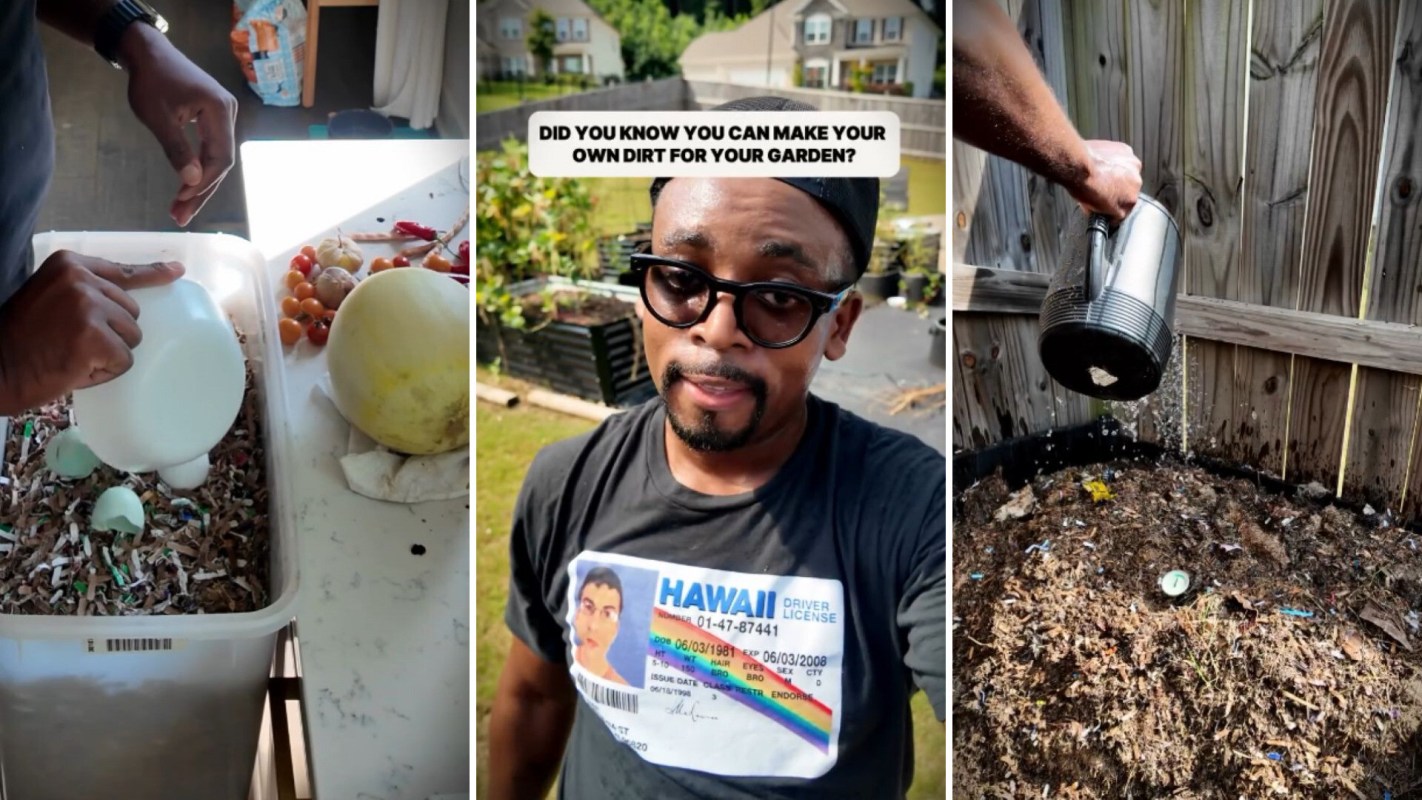
For many people, the hardest part of backyard composting is getting past the fear of messing it up.
Instagram creator ImNotSpikeLee (@imnotspikelee) responds to that hesitation in an Aug. 15 post by reducing the process to simple rules that make composting feel much less complicated — and mistakes much easier to salvage.
Here's what to know
In the post, the creator shares a stripped-down approach to composting for beginners. The emphasis was on starting first rather than waiting until every detail feels perfect.
In the caption, he described the two main material types with familiar examples. "Greens are your wet stuff: food scraps, grass clippings, coffee grounds," he said. "Browns are your dry stuff: shredded cardboard, dead leaves, eggshells."
He says a well-built pile should not produce bad odors and can generate significant heat on its own.
He shared in the caption, "Done right, it does not smell. And it heats to 160 on its own."
TCD Picks » Quince Spotlight
💡These best-sellers from Quince deliver affordable, sustainable luxury for all




As for upkeep, his guidance was brief: "More browns than greens. Add water. Leave it alone."
He summed up the mindset this way: "I almost never started because I was scared to do it wrong. Start it wrong. Fix it later."
The video shows the creator in action building the pile and adds more detail to the specific operation. That includes watering the pile with collected rainwater, shoveling it occasionally, looking for worms, and shredding cardboard.
He also pushes back on anyone who thinks it's gross to use his compost for his raised beds, questioning whether they even know what's in the soil used to grow their food.
More background
Composting can be one of the easiest ways to support a home garden. Instead of throwing away food scraps and yard waste, households can turn those materials into nutrient-rich matter that helps feed soil and support healthier plants. That can also reduce the need to buy store-bought soil amendments and fertilizers.
Growing fruits, vegetables, and herbs at home can help families save money on produce, and many gardeners say homegrown food tastes better than food that has traveled long distances to reach store shelves.
Gardening can also support mental and physical well-being. It encourages people to spend time outdoors, stay active, and connect with plants and soil while creating something useful in their own yard or outdoor space.
What can be done?
Getting started can be as simple as using a pile or bin and combining kitchen scraps with dry yard materials, along with a little moisture and enough time to learn what works.
Compost can be especially helpful for anyone interested in growing their own food. Pairing a basic compost routine with a small garden bed or a few containers can help stretch grocery budgets, improve flavor at mealtime, and make gardening feel even more rewarding.
It can also be a manageable first step for people looking to cut waste without dramatically changing their lifestyle. While one backyard compost pile will not solve broader environmental challenges on its own, it can reduce what ends up in the trash while giving gardeners a practical benefit at home.
As ImNotSpikeLee notes, it's never a bad time to get over any hesitation and start the process.

Get TCD's free newsletters for easy tips, smart advice, and a chance to earn $5,000 toward home upgrades. To see more stories like this one, change your Google preferences here.







