


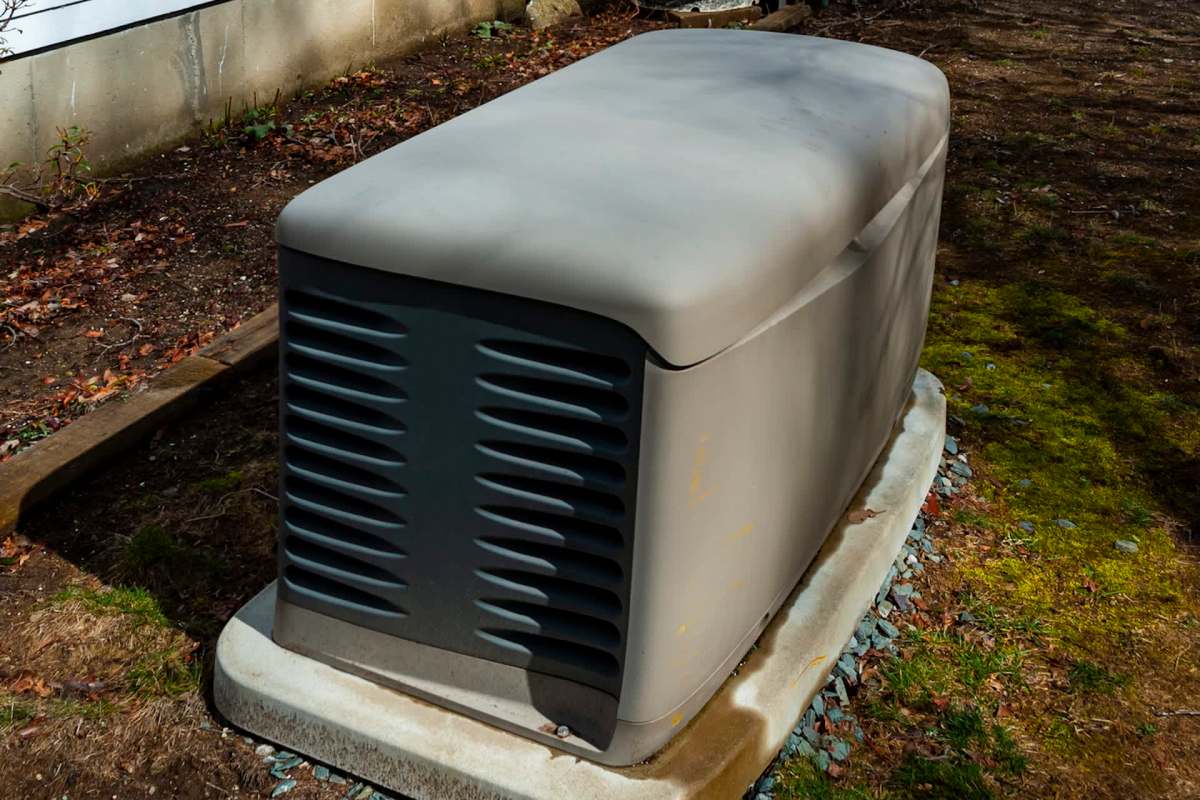
Keeping a refrigerator running during a blackout can be challenging enough.
However, for one homeowner, powering their all-electric home's heat and hot water raised bigger questions about finding the right backup generator.
Here's what to know
On Reddit, the original poster explained that their utility company's Natural Gas Potential map showed gas service in their area, leading them to ask, "Can I feasibly hook up a gas generator to power my all-electric home? Any idea where to start?"
Their outage priorities included a refrigerator and freezer, Wi-Fi, phone and laptop charging, as well as heat and hot water. LED lights, a microwave, and a toaster oven were optional additions.
Commenters generally agreed that the setup was possible, though choosing the right equipment would depend on how much electricity the appliances required.
"If you want to run your 'entire' home you need to be looking at home standby generators," one person said. "If you have electric heat and hot water, you're asking for 9,000 watts minimum. An electric water heater is really high consumption. So you could try to get by with a portable. In the 10,000+ watt range or start shopping standbys."
TCD Picks » Quince Spotlight
💡These best-sellers from Quince deliver affordable, sustainable luxury for all




They put the installed price of a 20-kilowatt standby generator at $10,000 to $15,000. Their own 10,500/13,000-watt portable generator had cost $2,800 in total, including an interlock connection to the house.
Another commenter recommended a 12-kilowatt tri-fuel generator, depending on the home's ability to eventually get gas.
Someone else laid out a concrete plan for the homeowner to follow, explaining, "The first action item [is to] talk to the gas company and ask if they can get gas to your home. If the answer is no: then look into getting a 250 or 500 gallon propane tank [and] contact a propane gas company and inquire about getting new service with them."
One person suggested reserving the generator for longer outages, using a charging hookup to replenish home battery storage. The battery would supply power on its own during shorter interruptions.

Get TCD's free newsletters for easy tips, smart advice, and a chance to earn $5,000 toward home upgrades. To see more stories like this one, change your Google preferences here.






