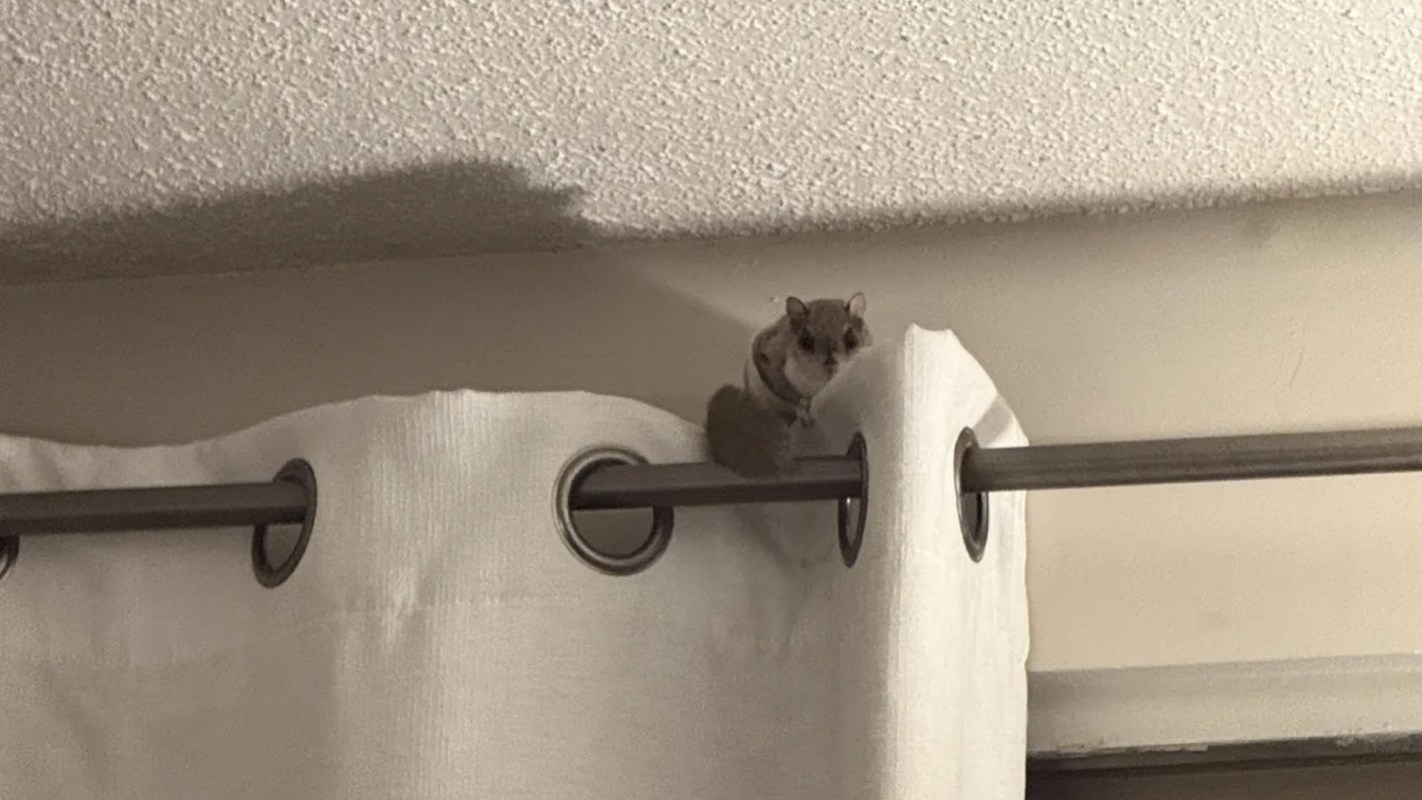
A person who spent the night listening to a small animal race through the walls finally caught the intruder the next afternoon — but the discovery only deepened the mystery.
In a post on Reddit's r/pestcontrol forum, the person described details that made the animal seem more like a young squirrel than a mouse.
"Heard it running thru the walls last night and just captured him this afternoon. … It was gray with a white belly and had a bushy tail, which leads me to believe it may be a baby squirrel since I've never seen a mouse like that," the original poster wrote.
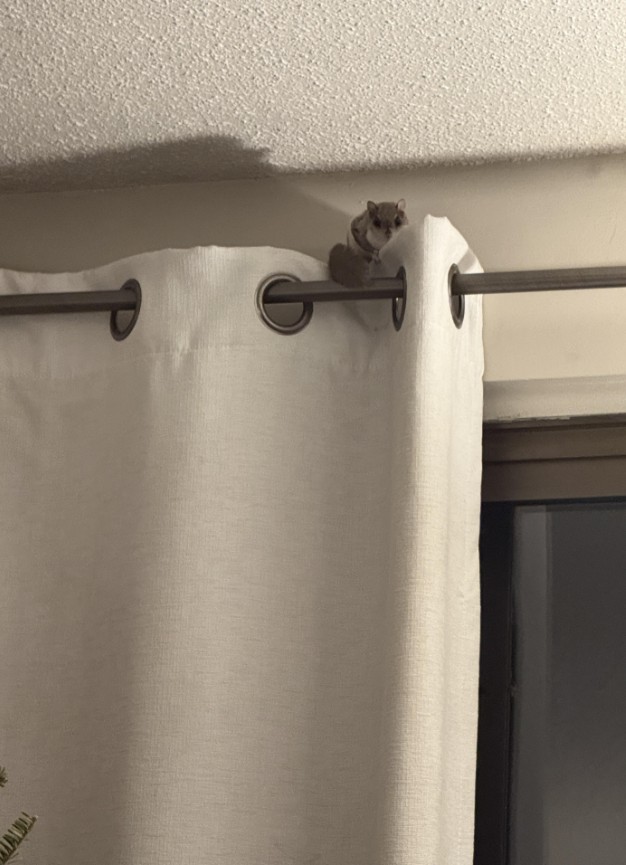
That kind of uncertainty is common when wildlife appears indoors. A frightened animal moving through tight spaces can be difficult to identify, and once it is trapped, most people are focused on safely containing it rather than documenting it.
Animals inside homes can reflect the increasing overlap between human spaces and wildlife habitats.
Houses provide warmth, shelter, and hidden entry points, while development can push animals to explore roofs, attics, and wall cavities they might not otherwise enter.
TCD Picks » Quince Spotlight
💡These best-sellers from Quince deliver affordable, sustainable luxury for all




That can mean sleepless nights, surprise repair costs, and concerns about contamination or property damage. Small mammals can chew insulation, nest in enclosed spaces, and create persistent noise that becomes stressful.
It can also be dangerous for the animal. If trapped in a wall or inside a home, a wild creature may become dehydrated, injured, or separated from its nest. If the intruder in this case was a baby squirrel, that raises even more concern about how it got there.
Many so-called "pest" encounters are not entirely random. Human building patterns, food sources, and access through vents, gaps, and rooflines can all contribute to these tense run-ins.
If you hear scratching or running in the walls, experts recommend avoiding direct handling of the animal unless it is absolutely necessary and can be done safely.
TCD Picks » Quince Spotlight
💡These best-sellers from Quince deliver affordable, sustainable luxury for all
When the species is unclear, the best next step is often to contact animal control, a licensed wildlife removal professional, or a wildlife rehabilitator.
After the immediate issue is resolved, inspecting the exterior of the home for potential entry points and plugging them up can prevent the problem from recurring. Common trouble spots include attic vents, soffits, loose siding, roof gaps, and openings around utility lines.
Reducing attractants can also make a difference. Pet food left outdoors, unsecured trash, and even bird seed can draw small animals close to your home.
Prevention often means making human spaces less inviting and less accessible to displaced wildlife.

Get TCD's free newsletters for easy tips, smart advice, and a chance to earn $5,000 toward home upgrades. To see more stories like this one, change your Google preferences here.