Late summer can put backyard vegetable patches under strain.
In August, crops often have to cope with intense heat, damp overnight conditions, and sharp differences between daytime and nighttime temperatures — all when gardeners are counting on a strong harvest.
That is especially true for anyone relying on a home garden to cut grocery bills, produce fresher food, and tap into the mental and physical health benefits that come with spending time outdoors and growing their own fruits and vegetables.
What's happening?
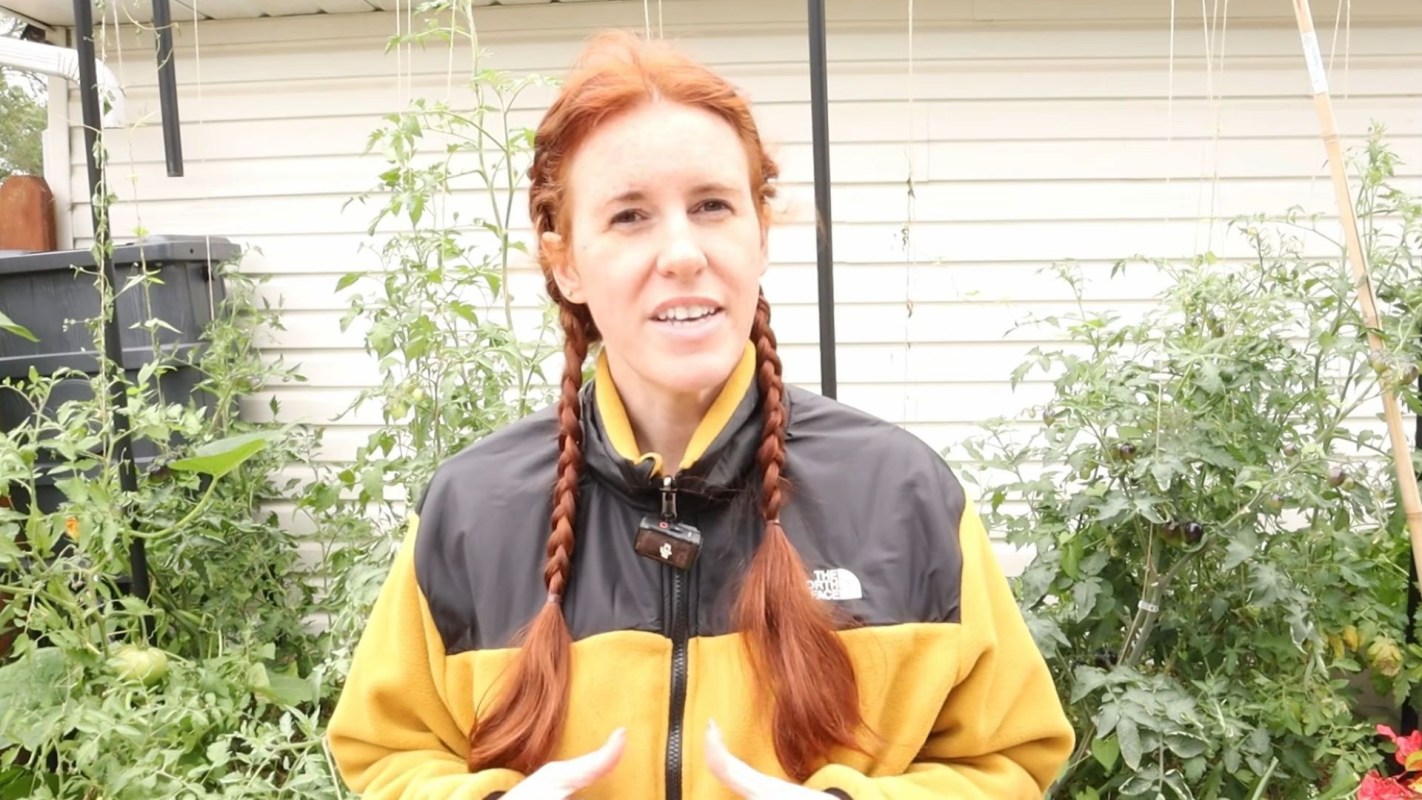
A video by Ashley of Gardening in Canada (@GardeningInCanada) focuses on three August conditions that can quietly throw a garden off course.
As the creator put it, "August hands down is one of the most difficult months to actually garden."
High temperatures are one of those challenges. Plants can falter in extreme heat, and cold tap water can add to stress rather than relieve it.
TCD Picks » Quince Spotlight
💡These best-sellers from Quince deliver affordable, sustainable luxury for all




Ashley suggested protecting crops and soil with shade cloth and a new layer of mulch to conserve moisture and lower soil temperatures.
Disease risk also may rise in August. With cooler nights and lingering dew, August can favor fungal and bacterial issues such as powdery mildew, downy mildew, and blight.
Ashley said copper spray can help disrupt fungal problems before they get established.
Another August hurdle is that some warm-weather crops can seem to pause. Tomatoes, peppers, and squash may slow down when hot days are paired with cool nights, so gardeners may need to remove flowers that are unlikely to mature or top plants so more energy goes into ripening existing fruit.
Why does it matter?
For many households, a thriving garden is more than a hobby. It can mean lower produce costs, better flavor than store-bought fruits and vegetables, and a practical way to stay active while reducing stress. Losing crops in August can undercut all those benefits.
Late-summer disease and heat stress can push gardeners to overwater, overcorrect, or give up on plants that may still have productive weeks left. That can waste water, time, and money already invested in seeds, starts, and supplies.
"The part about managing soil moisture and dealing with humidity-related problems was especially useful," one commenter wrote.
Heat, humidity, and temperature swings can affect harvests as weather patterns become harder to predict in many regions as fall approaches.
What can I do?
One place to begin is stabilizing soil moisture. Mulch can help the ground retain water and stay cool, which may keep plants hydrated without constant watering. Shade cloth may also help sensitive crops through the hottest stretches.
For disease prevention, pay attention to stretches of high humidity and lingering morning dew. Improving airflow, removing affected foliage, and acting early can make a major difference.
When plants begin slowing down, it can help to ask whether new blossoms still have enough time to turn into mature fruit. If not, Ashley recommended shifting the plant's energy

Get TCD's free newsletters for easy tips, smart advice, and a chance to earn $5,000 toward home upgrades. To see more stories like this one, change your Google preferences here.