


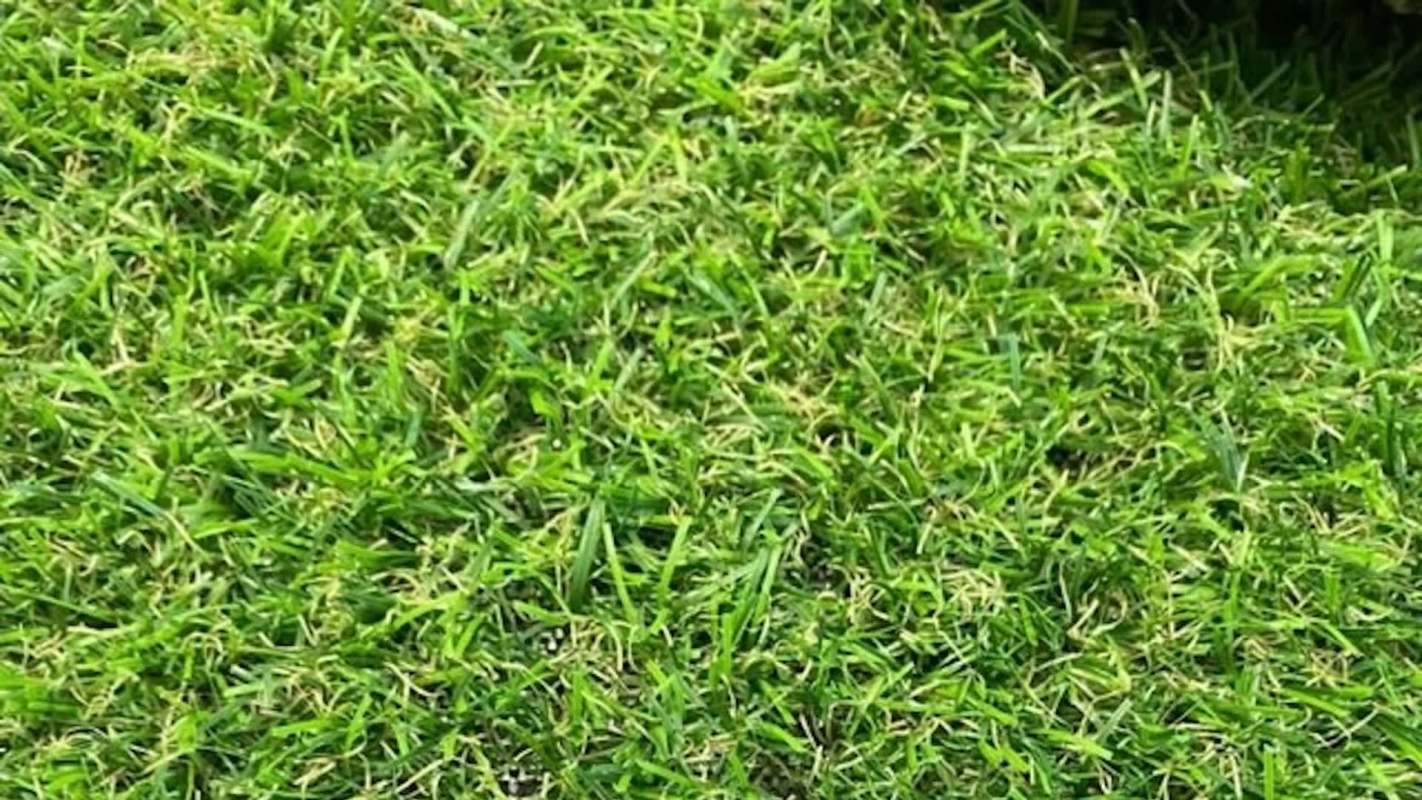
A question posed in the r/GardeningUK subreddit about using artificial turf quickly sprouted a load of negative responses.
The post started with the OP's question, "Are there any beneficial reasons why someone should use artificial grass instead of real grass?"
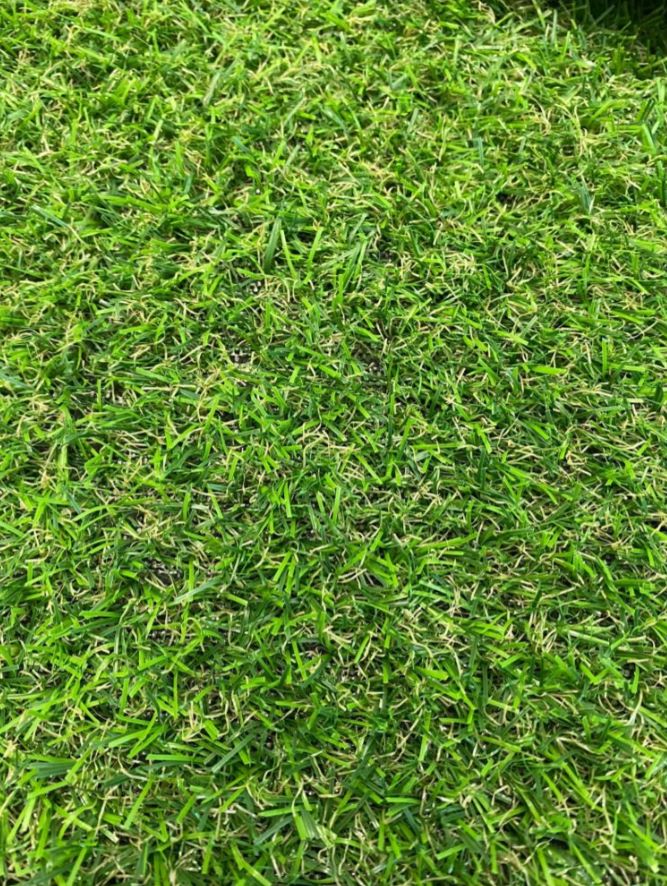
The overwhelming response from commenters was resoundingly negative, with one person saying, "No. Artificial grass is awful for many reasons."
Unfortunately, most turf is made from plastic or rubber, which increases exposure to harmful "forever" chemicals like PFAS that can be absorbed through the skin, according to the National Center for Health Research. As it breaks down, microplastics seep into the soil and persist even after removal.
That's why another commenter noted, "It is terrible stuff, for the environment it is laid in and then the future environment too."
While some people may choose turf to avoid mowing and conserve water, they can get the same benefit by upgrading to a natural lawn. One commenter shared, "We have planted mixed meadow grass and clover recently, there is no chance I am mowing that every week. Don't even have a lawnmower."
TCD Picks » Quince Spotlight
💡These best-sellers from Quince deliver affordable, sustainable luxury for all




As native plants attract pollinators, a range of friendly critters, from butterflies to bees to hummingbirds, add life, color, and free pollination to any landscape. Since these plants are acclimated to their environment, they're less thirsty, making it easy to avoid waste and high water bills. Don't forget the unmatched beauty of diverse plants that fading turf can't compete with.
With a rain garden, you won't need to use additional irrigation techniques — just dig it out close enough to catch rain runoff from the roof and other areas. In addition, this garden method filters groundwater.
Those in arid zones can also consider xeriscaping. Turf surfaces can reach as high as 140–170 degrees Fahrenheight on hot days, according to the National Recreation and Park Association. Conversely, xeriscaping, which combines drought-resistant plants, strategically placed trees, and light mulching with the natural landscape, may mitigate the heat island effect if done correctly, as Boulder City Review reports.
With the free sowing by pollinators, water conservation, reduced need for mowing and equipment purchases, these other landscape techniques have an economic advantage over turf. Per Realtor.com, installing native plants can range from $2,000 to $4,000 compared to $12,000 for turfgrass.
|
Do you think the government should ban gas-powered lawn tools? Click your choice to see results and speak your mind. |
 No way 🙅
Join our free newsletter for easy tips to save more and waste less, and don't miss this cool list of easy ways to help yourself while helping the planet.






