


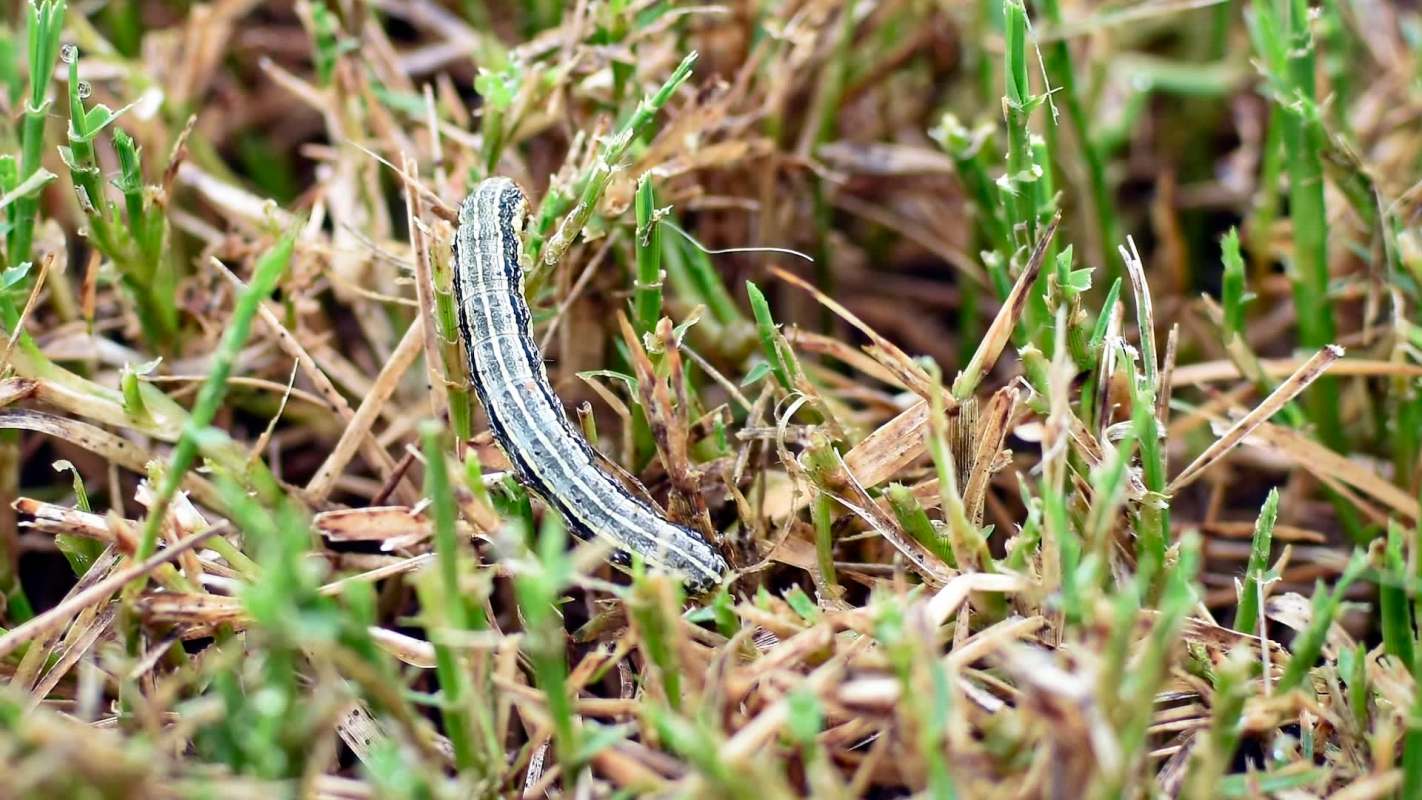
An ongoing armyworm outbreak in Kansas has homeowners watching their lawns closely, and experts say more damage could be on the way.
In fescue grass and even some summer crops, the caterpillars can destroy healthy growth so quickly that green areas can turn brown within hours, KSN News reported.
What's happening?
Kansas is still contending with armyworms, which have been showing up in lawns, yards, and agricultural fields.
Though fescue grass tends to take the brunt of the damage, corn, sorghum, and other crops can also be affected.
K-State Research and Extension said more armyworms could arrive before cold weather sets in, so this destruction may not be the last of the season.
Jeremy Johnson of Johnson's Garden Center told the station that his crew had seen more armyworms than normal.
TCD Picks » Quince Spotlight
💡These best-sellers from Quince deliver affordable, sustainable luxury for all




What once seemed like an occasional issue now looks to be routine, raising concerns that armyworms may become a regular part of lawn care in the Sunflower State.
Because they feed so fast, a lawn can shift from healthy-looking to brown and chewed up in a short period, leaving homeowners frustrated and facing expensive repair costs.
Why does it matter?
Lawns are costly to maintain, and when armyworms move through, they can wreck the appearance and health of a yard before many people even realize what is happening.
The threat also goes beyond curb appeal.
Because these caterpillars can show up in corn, sorghum, and other crops, the outbreak affects both homeowners and farmers.
It is a statewide issue tied to landscaping costs, crop health, and local businesses.
Johnson indicated that winter cold may no longer reduce armyworm numbers as effectively as it once did. And according to Kansas State University Research and Extension, insecticides are typically needed to control them.
Signs of the pest include sudden browning, thinning grass, or chewing, especially in fescue.
Corn, sorghum, and other summer plants are also vulnerable as long as conditions remain favorable for armyworms.
"Typically, we used to only see them about once every 20 years, and it's been more of an annual occurrence, so I think they're maybe not freezing out during the winter months, so we see them as more of a permanent pest in Kansas lawns," Johnson said.

Get TCD's free newsletters for easy tips, smart advice, and a chance to earn $5,000 toward home upgrades. To see more stories like this one, change your Google preferences here.






