


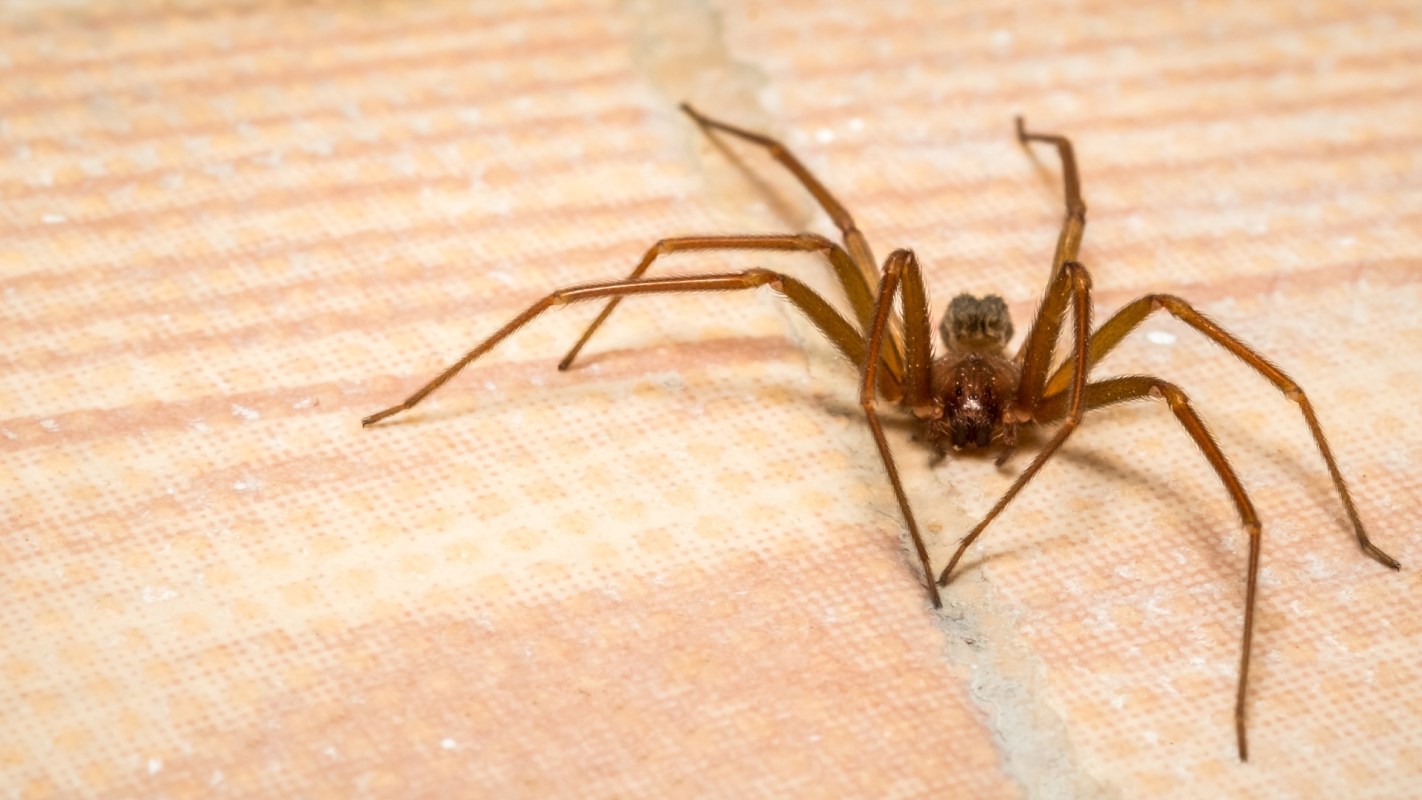
For many people, finding even one brown recluse spider indoors would be enough to cause panic. For Arkansas homeowner Sunni Son, it has become an unsettling routine, one she has continued documenting online as the venomous spiders keep turning up throughout her house.
What happened?
As reported by People and then spotlighted by Wide Open Spaces, a tornado appears to have turned Son's hidden brown recluse problem into a more visible concern.
"It's likely they were already in the home before the tornado — this is Arkansas after all — and they were displaced and disturbed, and got bold and visible in search of food," Son told People.
When she began trying to get rid of the spiders, she realized it wasn't going to be easy. She told People that multiple pest control companies said that brown recluses are "virtually impossible to completely eliminate." Now, she regularly discovers five or six in traps every month.
"Recluses have shown up in every corner of our home and it's never been concentrated. There isn't a place seemingly off limits to them," Son told People. Even so, she said the numbers still fall short of what would technically be considered an infestation.
Why does it matter?
Damage to the trees and roof, combined with the shelter a home provides, may have pushed the spiders into closer contact with people, turning what may have been a largely unseen backyard ecosystem issue into an ongoing household health concern.
TCD Picks » Quince Spotlight
💡These best-sellers from Quince deliver affordable, sustainable luxury for all




Brown recluses are a venomous spider, and the Occupational Safety and Health Administration warns that bite symptoms can be "very severe" and include necrosis, or tissue death.
For Son, a brown recluse bite meant a full-body rash and days of intense pain. "I couldn't get out of bed for 48 hours. I cannot begin to imagine if my bite had gone necrotic," Son told People.
What can I do?
If spiders are repeatedly appearing indoors, experts generally recommend reducing clutter, inspecting cardboard storage, sealing gaps around windows and doors, and using traps to monitor activity.
It is also wise to check bedding, clothing, and shoes in regions where brown recluse spiders are known to live, especially after storms, construction, or other disturbances that can flush pests out of hiding. If a brown recluse does bite you, contact a medical professional right away.
As for Son, she said she feels optimistic despite her ongoing struggles with the spiders.
"I think a lot of people see me still posting about the spiders two years later and think that I am up all night worried that we are going to get bitten," Son told People. "It's actually the opposite! I've never felt more calm in this journey."

Get TCD's free newsletters for easy tips, smart advice, and a chance to earn $5,000 toward home upgrades. To see more stories like this one, change your Google preferences here.






