


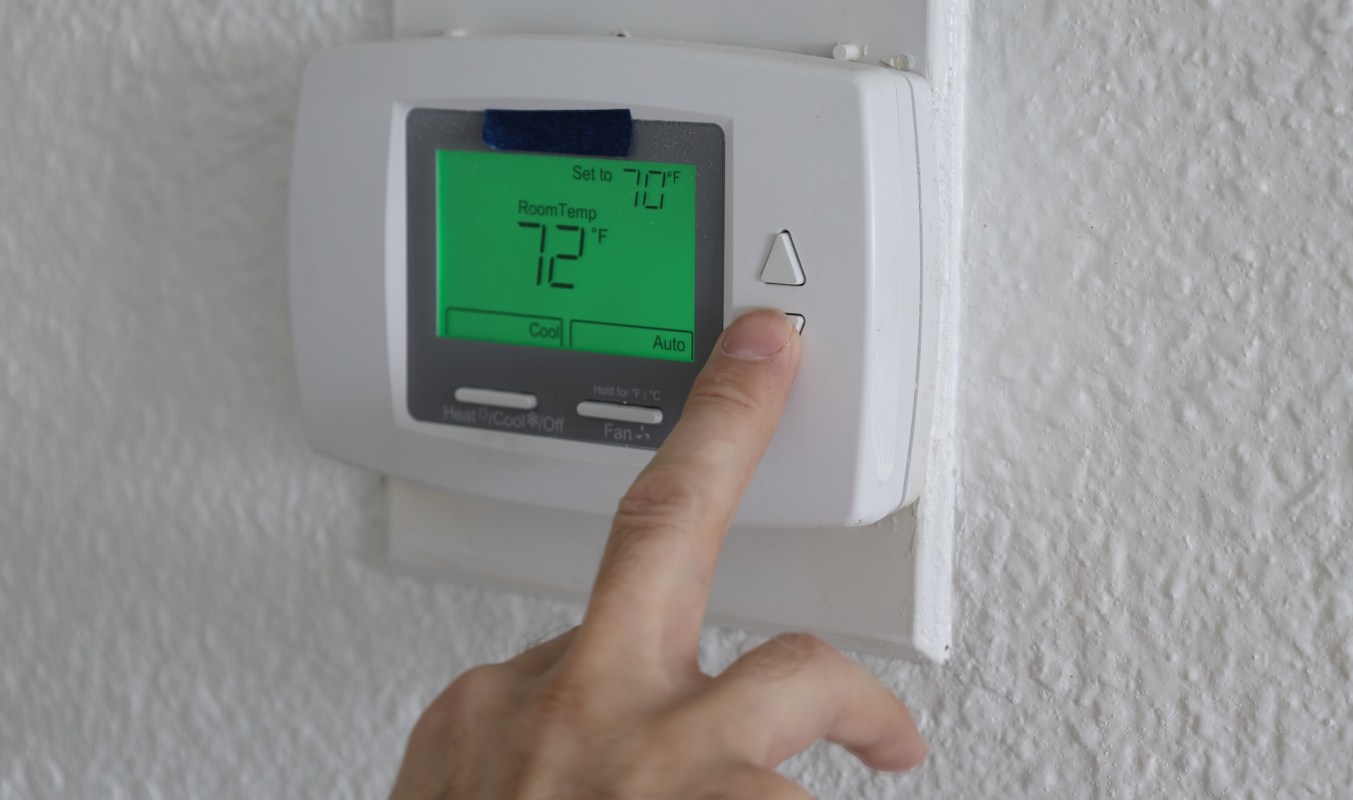
Arizona residents are no strangers to high summer power bills, but in 2026 many were caught off guard by how early the heat arrived, as Capital & Main reported.
In March, areas near Martinez Lake and Fort Yuma hit 112 degrees, a national record for that month, bringing power costs into sharper focus for households statewide.
Here's what to know
Accordingly, requests for higher utility rates are landing just as Arizona residents are dealing with an unusually early blast of heat.
Capital & Main reported that Arizona Public Service and Tucson Electric Power both want residential increases of roughly 14%, about $240 a year more, and point to data center demand, extreme temperatures, and infrastructure expenses as the reasons.
Vania Guevara, advocacy and political director at Chispa Arizona, told the publication the March heat changed the way people were thinking and talking about what energy costs mean for their budgets.
"I think what actually did it was the fact that it got so hot in March," she explained to Capital & Main. "Like, March, and I already have to turn on my AC — what does that mean?"
TCD Picks » Quince Spotlight
💡These best-sellers from Quince deliver affordable, sustainable luxury for all




Those proposed increases are before the Arizona Corporation Commission, the Republican-led body that regulates utilities. The outlet also reported that in March the commission voted to weaken both the state's renewable energy requirements and its electric efficiency standards.
Utilities are also supporting a "formula rate plan" that would let rates rise automatically each year rather than through public hearings that give customers a chance to comment, per Capital & Main.
More background
Utility bills are becoming more politically potent in Arizona because they are wrapped into a larger cost-of-living squeeze.
Capital & Main reported that an AARP Arizona poll of 913 likely voters, conducted July 26-28, found 37% named affordability as one of their top two concerns, compared with 10% who selected the environment and climate change.
"Affordability is definitely the driving issue for voters in Arizona," Bob Ward, a partner at Fabrizio Ward, declared to the publication.
Even though voters placed groceries, health care, and gasoline above utility costs, power bills still emerged as a consistent worry across different groups.
Extreme heat can increase medical expenses and home cooling bills, put added pressure on the power grid, and make it tougher for families to cover basics such as rent, food, and transportation. It also increases the danger of heat exhaustion and heat stroke.
Who should absorb some of those rising costs is another point of conflict. Capital & Main reported Attorney General Kris Mayes has said ordinary customers should not end up paying for surging demand from data centers, while Arizona Public Service has proposed a separate customer class.
What's being done?
Mayes has stepped into both rate cases and made them central to her reelection message, the outlet noted. She called Tucson Electric Power's plan "blatant corporate greed," and witnesses for her office argued the utility needs a 4% increase rather than 14%.
Advocates say they have still secured some policy victories. Guevara told Capital & Main that environmental groups won a three-year halt on tax breaks for data centers during budget negotiations and also helped block an attempt to scrap renewable energy tax credits.
"People are realizing what their actual material conditions are versus what they're being told, and they're smart," Guevara added to the paper. "They're picking up — you can't keep lying to them anymore, because it's affecting their pocket."

Get TCD's free newsletters for easy tips, smart advice, and a chance to earn $5,000 toward home upgrades. To see more stories like this one, change your Google preferences here.






