


Ants in the garden are often treated as pests. But one popular gardening tip suggests they may be signaling something far more useful about the soil below.
What's happening?
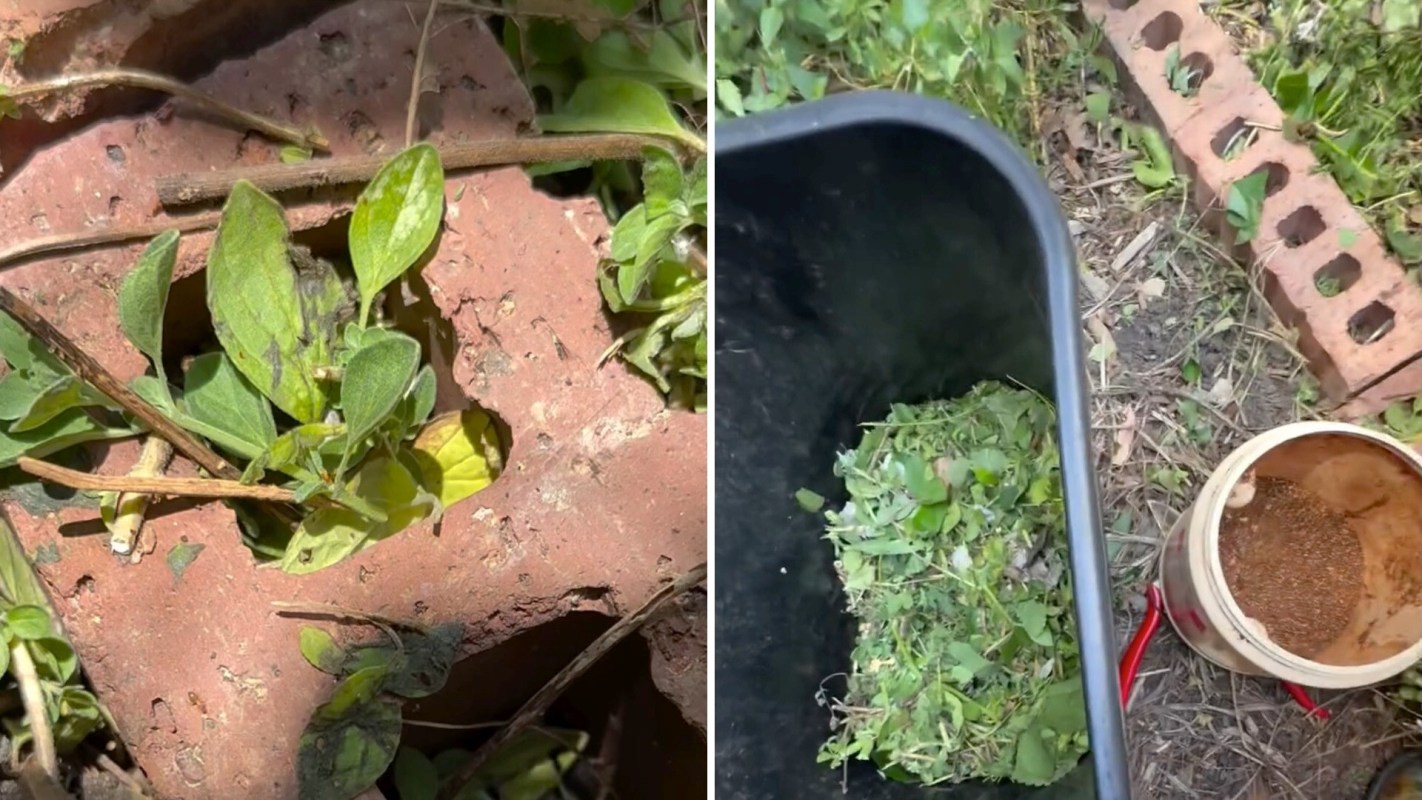
An Instagram Reel about ants in a garden bed was framed as a "teachable moment" by its creator (@intrepidurbangardener). In the post, they reminded viewers that "The first principle of permaculture gardening is observation."
The creator linked heavy ant activity to compacted ground, saying ants prefer soil firm enough to hold tunnel shapes. "If there are ants swarming around in a bed, any kind of ant, it means the soil is compacted," they said, which is why they later described the next move as "dry molasses time."
To improve that area, the creator recommended adding dry molasses, which is often used in baking, and chopped organic material. They said that as the soil becomes softer and healthier, it may support stronger plant growth and become less appealing to ants.
They further explained that dry molasses "feeds the microbial activity in the soil."
"Ants like dead soil without a lot of microbial activity. I add the molasses and keep it moist."
TCD Picks » Quince Spotlight
💡These best-sellers from Quince deliver affordable, sustainable luxury for all




Why does it matter?
Rather than immediately reaching for chemical treatments, gardeners are encouraged to first assess drainage, traffic patterns, and soil texture.
Compacted soil can make it harder for roots to spread, for water to soak in, and for crops to grow well. Even in small raised beds or narrow side yards, spotting those patterns early can help gardeners make smarter, more affordable decisions before plants begin to struggle.
Gardening can also offer meaningful day-to-day benefits. Growing food at home can help households save money on produce, and many gardeners say homegrown fruits, herbs, and vegetables taste better than store-bought options.
It can also provide physical activity and stress relief. Time spent weeding, digging, and tending beds can support both mental and physical well-being.
What can I do?
Seeing ants in a garden bed does not necessarily mean they need to be removed right away. It may be more useful to compare that spot with nearby soil and notice whether it gets stepped on often, dries out quickly, or feels harder to the touch.
From there, the focus can shift to improving soil health over time. Adding compost, mulch, and other organic matter can help loosen compacted ground, improve drainage, and create better conditions for roots. If you want to try the creator's approach, dry molasses may be one option to test first in a small area.
Keeping planting areas from being repeatedly stepped on and maintaining clear paths may also help prevent beds from becoming too firm. If ants are simply responding to those existing conditions, improving the soil may accomplish more than treating the insects alone.
One viewer wrote, "Your content is amazing! Thank you! Really great information and tips."
"So helpful! Thanks!" another said.

Get TCD's free newsletters for easy tips, smart advice, and a chance to earn $5,000 toward home upgrades. To see more stories like this one, change your Google preferences here.






