


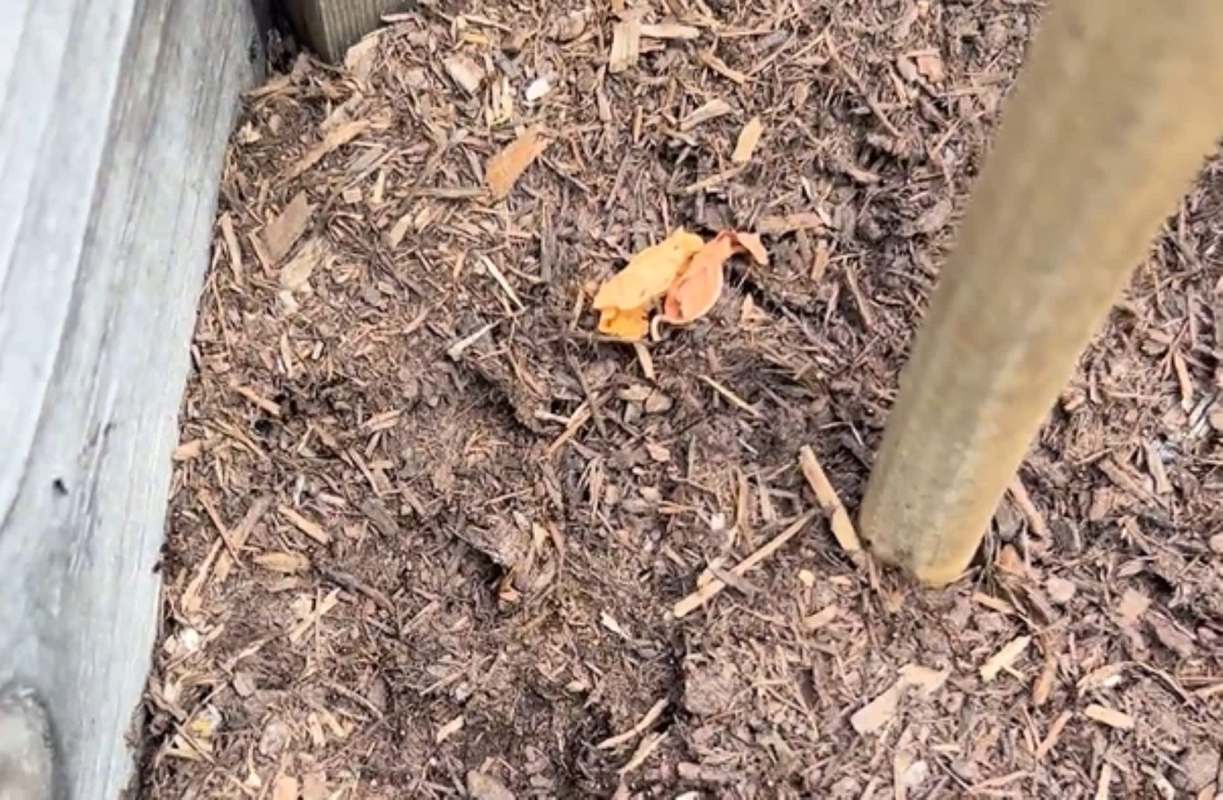
A gardener hoping for a better growing season instead uncovered a wriggling surprise in an edible raised bed.
In a Reddit post, the gardener shared that they had stumbled upon a major "ant takeover," where the insects were carrying white larvae through the soil, alarming and aggravating her.
Because the ant activity was happening around vegetables, many people said the safest place to start was not with harsh treatments but with a thorough soaking of the bed.
(Click here if the embedded video does not appear.)
After noticing unusually heavy ant activity while turning a raised bed this spring, the gardener asked Reddit whether the insects were a real problem or mostly an annoyance.
The question came up while fertilizing plants that had not been performing as well as usual. The original poster wrote: "Today I was doing a bit of fertilizing because my plants have not been doing as well as normal and found this... Is this a problem or just an inconvenience when trying to tend to this section of the garden?"
Most of the people who responded took the white specks being carried by the ants to be the colony's brood.
TCD Picks » Quince Spotlight
💡These best-sellers from Quince deliver affordable, sustainable luxury for all




Since the ants were in a bed used for food, commenters repeatedly said nontoxic measures should be tried first. Several people wrote that ants hate wet soil, and one user said that repeated soaking can cause them to "pack up the queen and relocate."
Many replies treated ants as more annoying than dangerous, with two main exceptions: fire ants and situations where aphids are present, since ants are known to protect them. Some commenters also said 2026 has been an especially bad ant year.
Pest control can get complicated quickly in a food garden. A solution that may seem convenient in an ornamental bed can be far less appealing around lettuce, tomatoes, herbs, and other edible plants.
Rather than destroying the bed, many commenters favored a work-with-nature approach. Broad treatments can eliminate beneficial insects and disrupt soil life alongside the pests, while gentler fixes may address the problem without upsetting the garden ecosystem.
The ants themselves may not be the only concern. When they are farming aphids, they can be part of the reason plants seem weak or stressed. If the ants are fire ants, though, the issue becomes a genuine safety problem for gardeners.
Low-input gardening choices can make home landscapes easier to manage. Replacing even part of a conventional lawn with a natural lawn, native plants, clover, buffalo grass, or xeriscaping can save money and time on maintenance, lower water bills, and support beneficial insects that help keep yards healthier overall.

Get TCD's free newsletters for easy tips, smart advice, and a chance to earn $5,000 toward home upgrades. To see more stories like this one, change your Google preferences here.






