


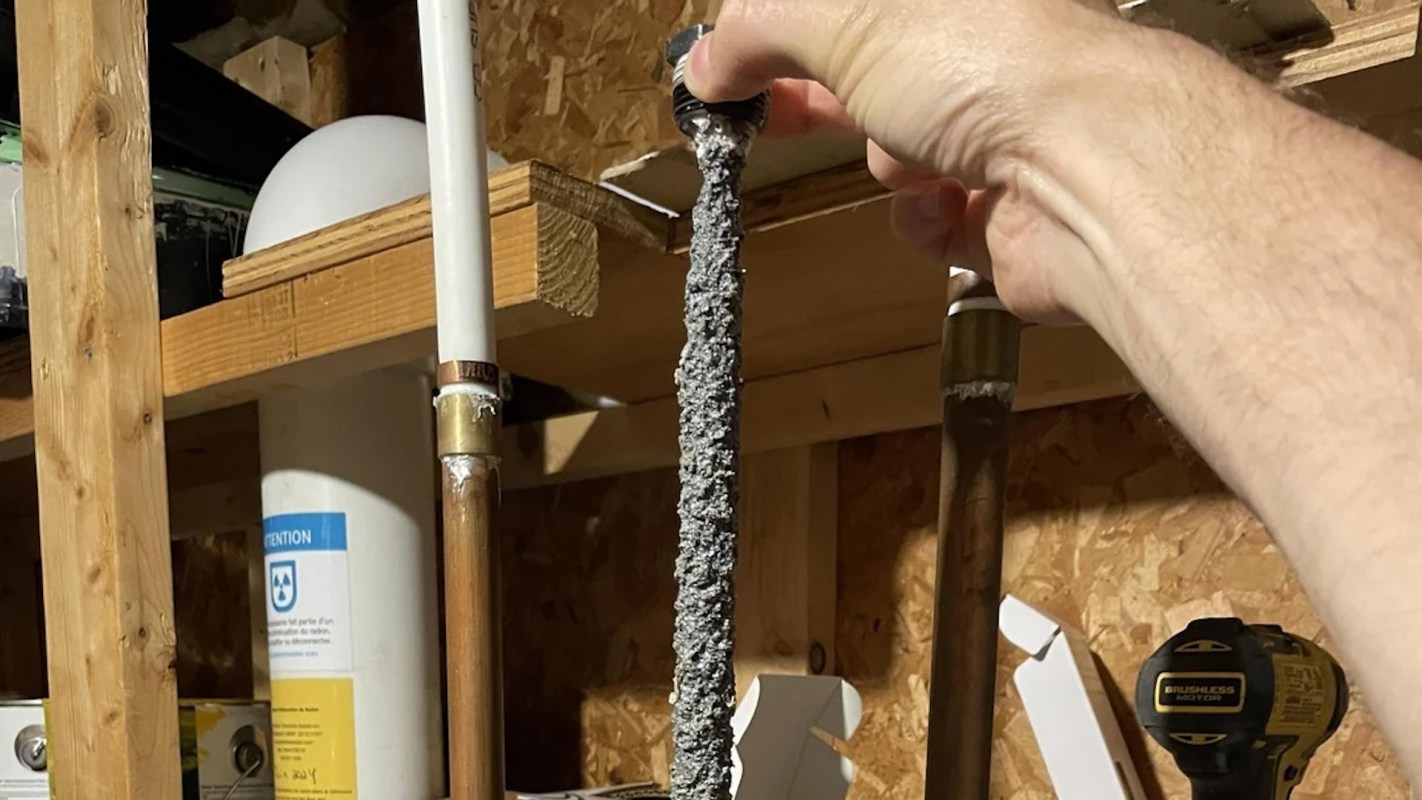
A homeowner drew a large number of comments in a Reddit post after sharing a water heater anode rod that had badly deteriorated after just two months, raising questions about how aggressive his water conditions are.
Harsh water conditions can speed corrosion and drive up repair costs.
Here's what to know
A homeowner in a Reddit thread posted a photo showing how severely an anode rod had deteriorated after a very short time. They wrote, "I changed my water heater's anode rod 2 months ago and this is what it looks like today." They also noted, "I am aware I have very aggressive water (brackish at 500-1500 ppm TDS)."
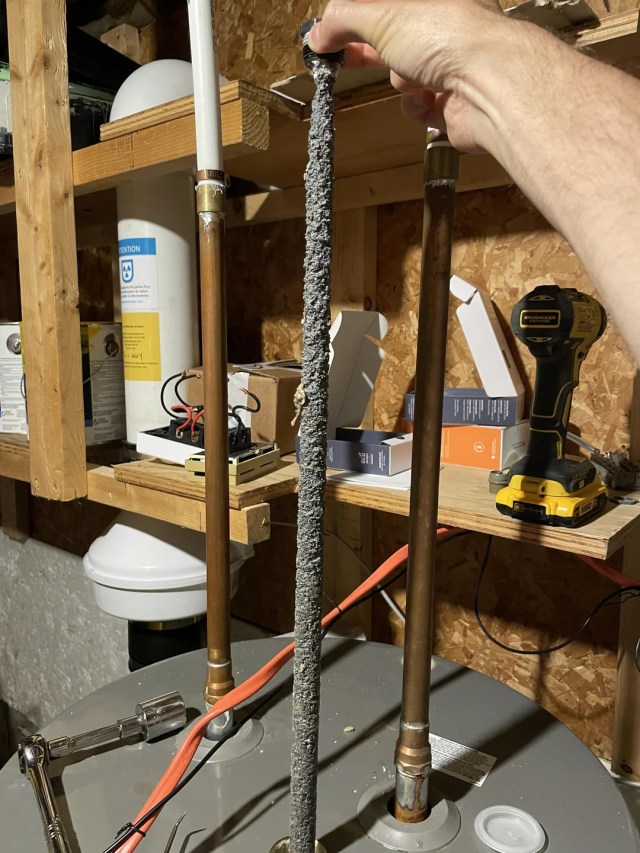
Commenters focused on whether switching to a powered anode made more sense than continuing to replace sacrificial rods, as well as ways to deal with the harsh water before it even reaches the water heater.
One recommendation came up in the replies: "Check out Corro-Protec. It's a powered anode with a 20 year warranty."
Another commenter cautioned with a deeper warning, saying, "There's no downsides to putting in a powered anode rod but you really need a water treatment system to treat the water to the whole house."
Aggressive water can quickly chew through inexpensive parts and continue damaging the rest of the system as well. The true fix for aggressive water is to deal with it at the source.
Homeowners who already have aging or corroded water heaters have an opportunity to upgrade to a heat pump and save on future energy bills. Cala has options that can offer savings on your monthly bill.
Save $10,000 on solar panels without even sharing your phone number Want to go solar but not sure who to trust? EnergySage has your back with free and transparent quotes from fully vetted providers in your area. To get started, just answer a few questions about your home — no phone number required. Within a day or two, EnergySage will email you the best options for your needs, and their expert advisers can help you compare quotes and pick a winner. Solar panels can save you more than $50k over their 25-year lifespan, and EnergySage can help you save as much as $10k on installation. Which begs the question — isn't that worth an email or two? |

More background
Anode rods are designed to corrode first, protecting the steel tank from rusting out. The original poster's rod may have been doing exactly what it was meant to do, just at an unusually fast pace because of difficult water conditions.
Short-lived rods can be a warning sign of deeper plumbing issues. If hard, brackish, or otherwise mineral-heavy water is also eating away at pipes, fittings, and tank walls, repair bills can add up fast.
To show how severe that can become, one commenter said they had a client where they were called to "replace his water heater every 3 years and constantly deal with pin holes in the copper around the house," and added that the manufacturer eventually stopped sending free replacements.
A warranty is not a permanent fix if the underlying water chemistry keeps destroying equipment.
What can be done?
Before choosing hardware, it helps to understand the water itself. Commenters noted that a powered anode rod may outlast a standard sacrificial rod, but it will not stop corrosion throughout the house if the water remains untreated.
Testing water quality, speaking with a licensed plumber, and considering a treatment system can help protect not just the water heater but plumbing throughout the home. Regular tank flushing may also help reduce buildup, especially in places with heavy mineral content.
Combining maintenance, water treatment, and a more efficient appliance strategy may help avoid repeat replacements. A powered rod can help, but long-term savings may come from upgrading the whole system.

Get TCD's free newsletters for easy tips, smart advice, and a chance to earn $5,000 toward home upgrades. To see more stories like this one, change your Google preferences here.







