


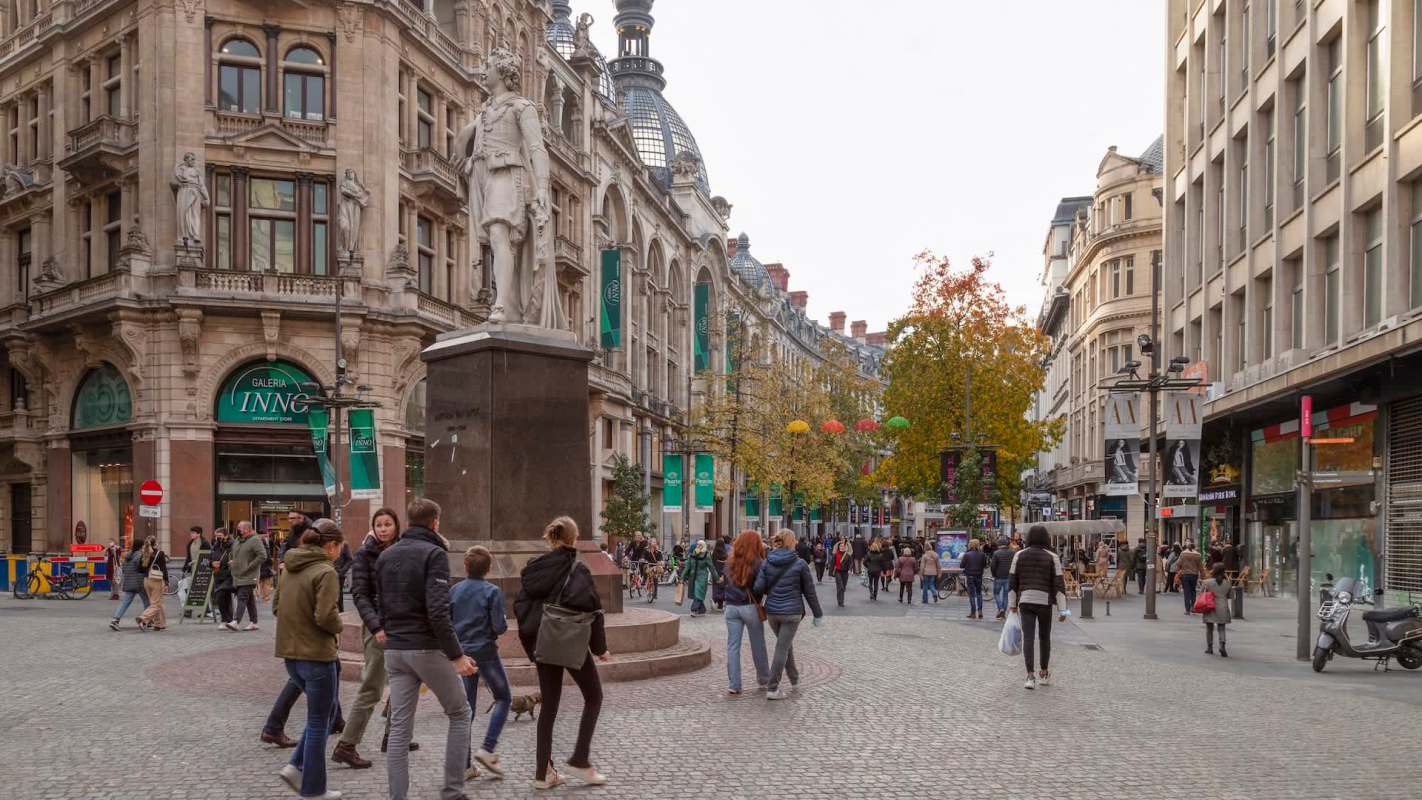
With so many Americans flocking to Europe to enjoy vacations in compact, pedestrian-friendly cities, why do similar communities remain so difficult to build in the United States?
Here's what to know
An article published by Vox pointed out that people "will pay a small fortune to amble through the cobblestone streets of Rome and Paris" only to "return to our suburban homes and two-car garages, and swear that a place like that could never work here."
The country has been built around driving for so long that developing urban areas differently almost seems impossible. When housing, zoning, and road design all assume every trip will be made by car, it becomes much harder for families to choose neighborhoods where walking is a realistic option — even if that is what they would actually prefer.
Debates over denser housing, mixed-use neighborhoods, bike lanes, and safer sidewalks are often framed as though walkability is a niche preference rather than a widely shared one.
More background
Housing affordability, traffic, and transportation costs continue to strain the American status quo. In many communities, everyday life still depends on multiple cars, long commutes, and devoting large amounts of land to roads and parking.
That model affects more than convenience. Car dependence often brings higher household costs tied to fuel, insurance, maintenance, and repairs. It can also leave fewer practical options for older adults, children, and anyone who cannot or does not want to drive for every errand.
TCD Picks » Quince Spotlight
💡These best-sellers from Quince deliver affordable, sustainable luxury for all




Walkable development can help ease some of those burdens by placing homes, shops, schools, and services closer together. It can also reduce congestion and tailpipe pollution while making neighborhoods feel more connected and vibrant.
What can be done?
At the local level, cities and suburbs can allow more housing near transit, permit mixed-use development, revise parking requirements, and redesign streets so residents can safely walk to everyday destinations.
Public officials can also stop framing walkability as a luxury feature and instead treat it as essential infrastructure. Sidewalks, shade, crosswalks, bike connections, and reliable transit can make neighborhoods work better for far more people.
"There's a sad truth to this," Vox wrote. "In cities and suburbs across the country, a vocal contingent of Americans devote themselves to resisting change that could bring denser, more pedestrian-oriented development to their backyards."
Where can I learn more?
So many people want convenient, pleasant places to live and travel, even as policy debates keep treating walkability as unrealistic. Those assumptions shape everything from neighborhood design to where people feel comfortable spending time.
• Across U.S. suburbs, the myth of walkability overlooks families who want convenience without constant driving.
• Making walkable cities possible doesn't mean vehicles have to be totally banned.
• Among Gen Z travelers, climate concerns are reshaping which destinations still feel pleasant to visit.
Increasingly, people are gravitating toward places that feel easy, comfortable, and connected.

Get TCD's free newsletters for easy tips, smart advice, and a chance to earn $5,000 toward home upgrades. To see more stories like this one, change your Google preferences here.






