


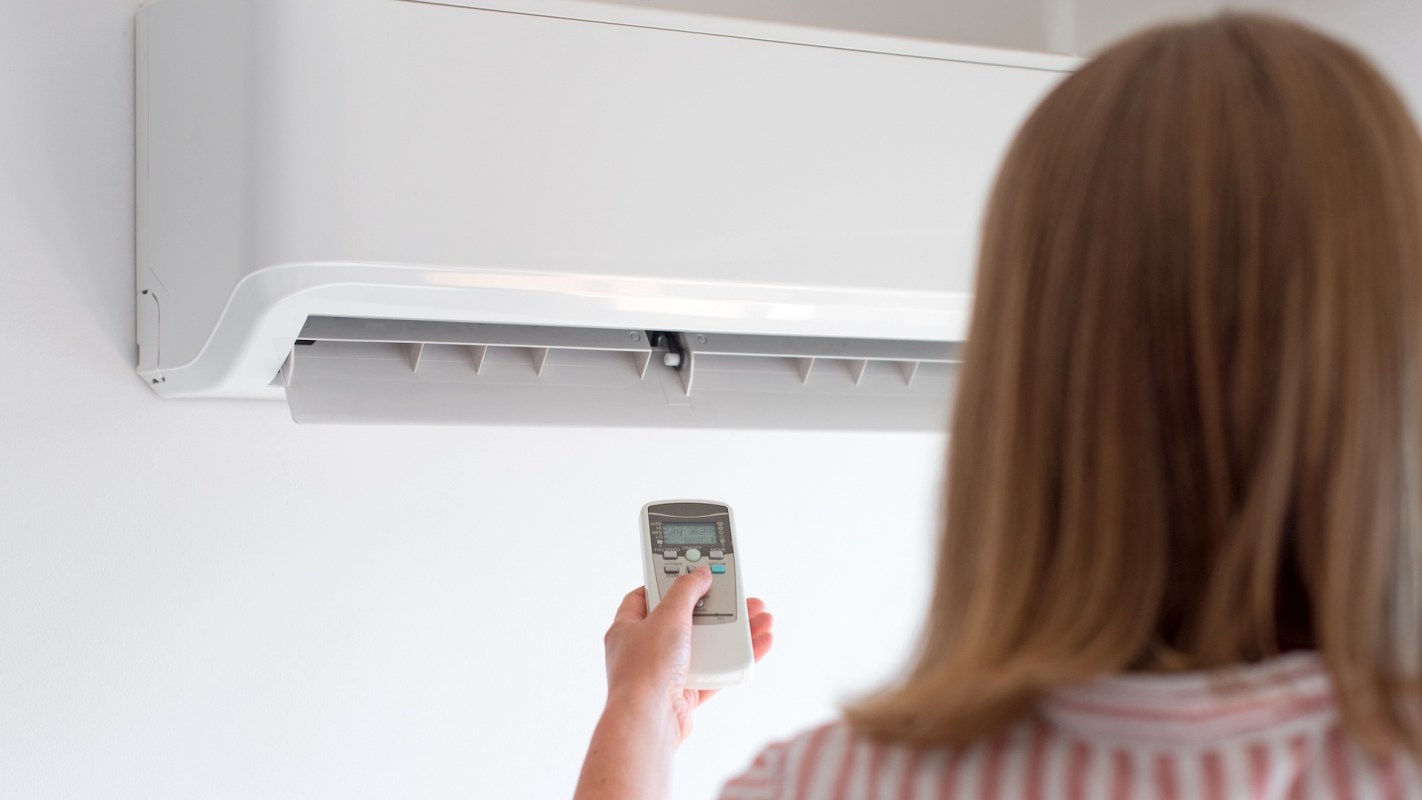
Across Europe, growing temperatures are pushing many residents to favor keeping homes safe during heatwaves over reducing carbon pollution.
Survey results from six countries suggest that Europeans want policymakers to focus on making home air conditioning more accessible and less expensive.
Here's what to know
According to The Guardian, YouGov surveyed people in France, Germany, Italy, Poland, and Spain in mid-July, then in the U.K. in early August. Across those countries, 61% to 73% said air conditioning should be included as standard in new homes.
The appetite for more cooling was not limited to future construction. The Guardian said 65% to 75% backed easier approval for AC installation, and 52% to 66% supported subsidies to help homeowners pay for it.
The survey came after four major European heatwaves. As temperatures approached or topped 104 degrees Fahrenheit (40 degrees Celsius), between 30% and 52% of respondents said they feared for their household's health, The Guardian reported.
In every country except Italy, more people favored expanding AC use to reduce heatwave harm than prioritizing CO2 cuts. Many respondents agreed that governments should do more to implement other cooling measures — such as shutters, insulation, and reflective roofs — rather than focusing on AC alone.
TCD Picks » Quince Spotlight
💡These best-sellers from Quince deliver affordable, sustainable luxury for all




More background
Air conditioning is still much less widespread in Europe than in the United States — in the U.S., 93% of people have a central or portable system. In this poll, ownership ranged from 63% in Italy and 58% in Spain down to 16% in Germany and 11% in the U.K.
In the survey summary reported by The Guardian, 79% to 85% of people with AC said they could keep indoor temperatures comfortable during heatwaves. Among those without AC, that figure fell to 35%-47%.
Cost was still the leading obstacle for households without AC. The Guardian reported that 51% to 75% of respondents in that group cited expense as the main reason they did not have it.
Even for those able to procure an AC unit, it did not necessarily solve the affordability issue. In Italy, France, and Spain, 14% to 17% of owners said cost prevented them from using it as much as they needed, while 28% to 38% said frequent use required cutting back elsewhere.
Human-induced climate change is making heatwaves more frequent and more intense, while many households are being left to balance health, comfort, and rising energy bills all at once.
What can be done?
Modernizing your home with better insulation, exterior shading, reflective roofing, and efficient electric cooling can help reduce indoor temperatures while limiting energy waste, cutting bills and improving comfort.
Not every household can replace appliances or retrofit a home right away. Practical harm-reduction steps — such as closing blinds during the hottest parts of the day, sealing drafts, improving ventilation when outdoor air is safer, and avoiding unnecessary indoor heat from ovens or gas burners — can still make a meaningful difference.
Gas appliances can pollute indoor air, and some conventional cleaning products can introduce chemicals linked to breathing issues or other long-term health concerns.
Minimizing heat exposure during extreme heat is crucial as it can worsen dehydration, cardiovascular strain, and respiratory issues, especially for older adults and people living with chronic conditions.

Get TCD's free newsletters for easy tips, smart advice, and a chance to earn $5,000 toward home upgrades. To see more stories like this one, change your Google preferences here.






