


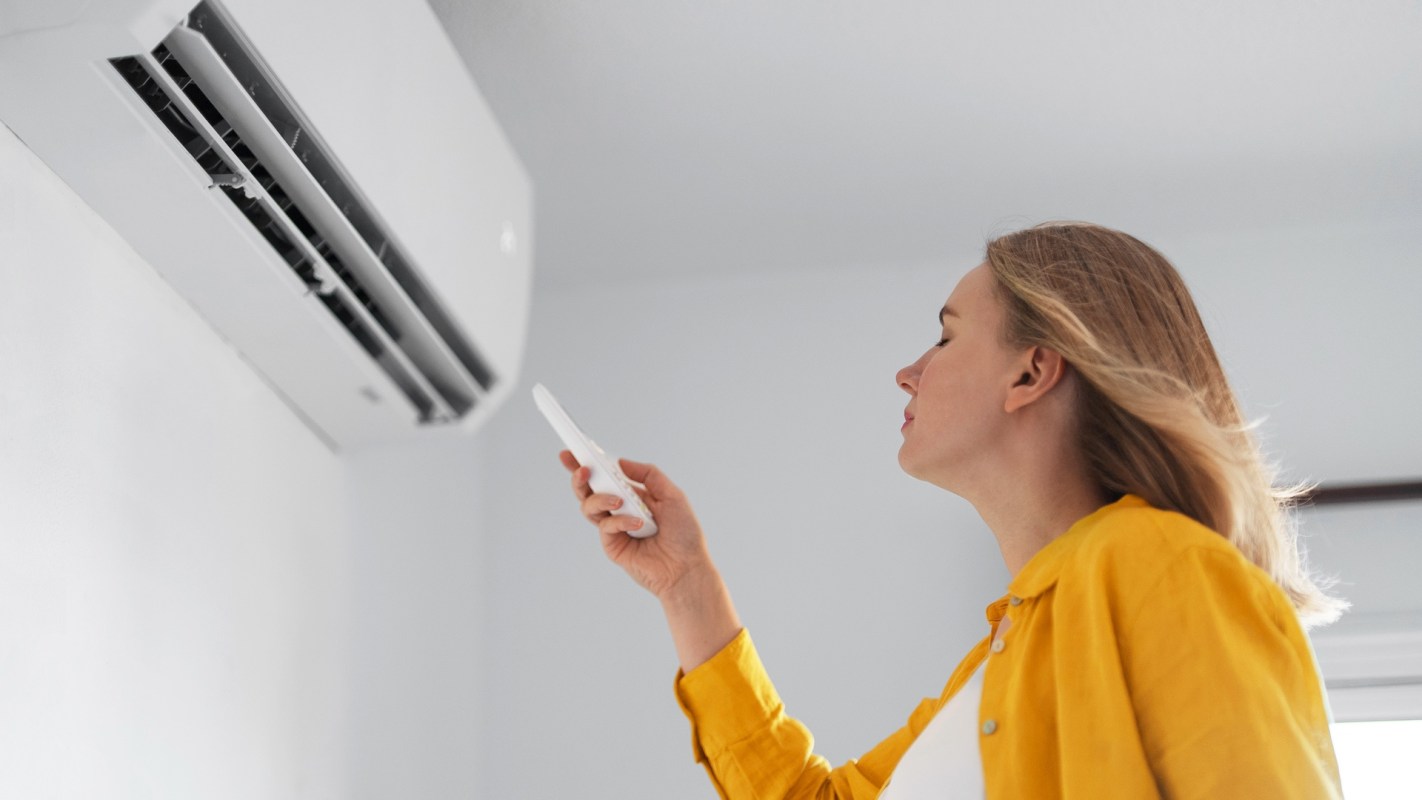
For years, home air conditioning in Europe was often viewed as optional rather than standard, with many people seeing it as costly, power-hungry, and out of step with local norms.
Now that stronger heat waves are making summer extremes more dangerous across the continent, that view is changing fast.
What's happening?
According to a report from CBS News, an early-summer blast of extreme heat is prompting more Europeans to buy air conditioners.
Spain recently hit 111 degrees Fahrenheit, the United Kingdom is going through its hottest June on record, while France recorded 40 drowning deaths as people sought relief from the heat, the outlet reported.
Cooling can be lifesaving: research cited by CBS News says air conditioning reduces heat-related deaths by 75%.
That figure is meaningful, as in Europe, the World Health Organization estimates that heat causes about 175,000 deaths each year.
TCD Picks » Quince Spotlight
💡These best-sellers from Quince deliver affordable, sustainable luxury for all




Even with rising demand, home AC remains far less common in Europe than in the United States. CBS News reported that roughly one in five Europeans has it, compared with about 90% of Americans, though Italy's share jumped from an estimated 10% to 15% of households during the 2003 heat wave to 56% by 2024.
Why does it matter?
Several longstanding factors have slowed adoption, including home design, social expectations, and expense. In southern Europe, many buildings were built with thick walls, shutters, and smaller windows to limit indoor heat, while in the north, summers were historically mild enough that air conditioning did not seem necessary, CBS News reported.
Because Europe is warming at twice the global rate, housing designed to retain warmth in winter can become dangerously hot in summer. For older adults, infants, and others especially vulnerable to heat stress, those indoor conditions can quickly turn into a serious health risk.
Stores and HVAC businesses are seeing the push for ACs amidst the heatwave firsthand.
Golnaz Davarpanah, an 81-year-old living in a suburb northwest of Paris, told CBS News that she and a friend went "to several stores to buy one, but they were all sold out."
In Britain, Richard Salmon of The Air Conditioning Company told the outlet, "I've been doing this for 25 years now and the last three days have been the busiest I think I've had."
What's being done?
One of the biggest questions surrounding the global expansion of air conditioning is how to meet rising cooling demand without driving up energy usage and climate pollution that contributes to even hotter temperatures.
CBS News reported that a 2022 study estimated that air conditioning accounts for about 4% of global greenhouse gas emissions, so experts argue that the answer is not simply installing more units but deploying cleaner, more efficient ones.
Governments are also trying to balance relief from heat with lower energy use. As CBS News reported, Spain, Italy, and Greece have imposed limits on summer cooling in public buildings, while the U.K. is pushing households to replace gas boilers with heat pumps that can heat and cool more efficiently. Simpler steps, including shutters and shades, still matter, especially alongside cleaner cooling systems.

Get TCD's free newsletters for easy tips, smart advice, and a chance to earn $5,000 toward home upgrades. To see more stories like this one, change your Google preferences here.






