


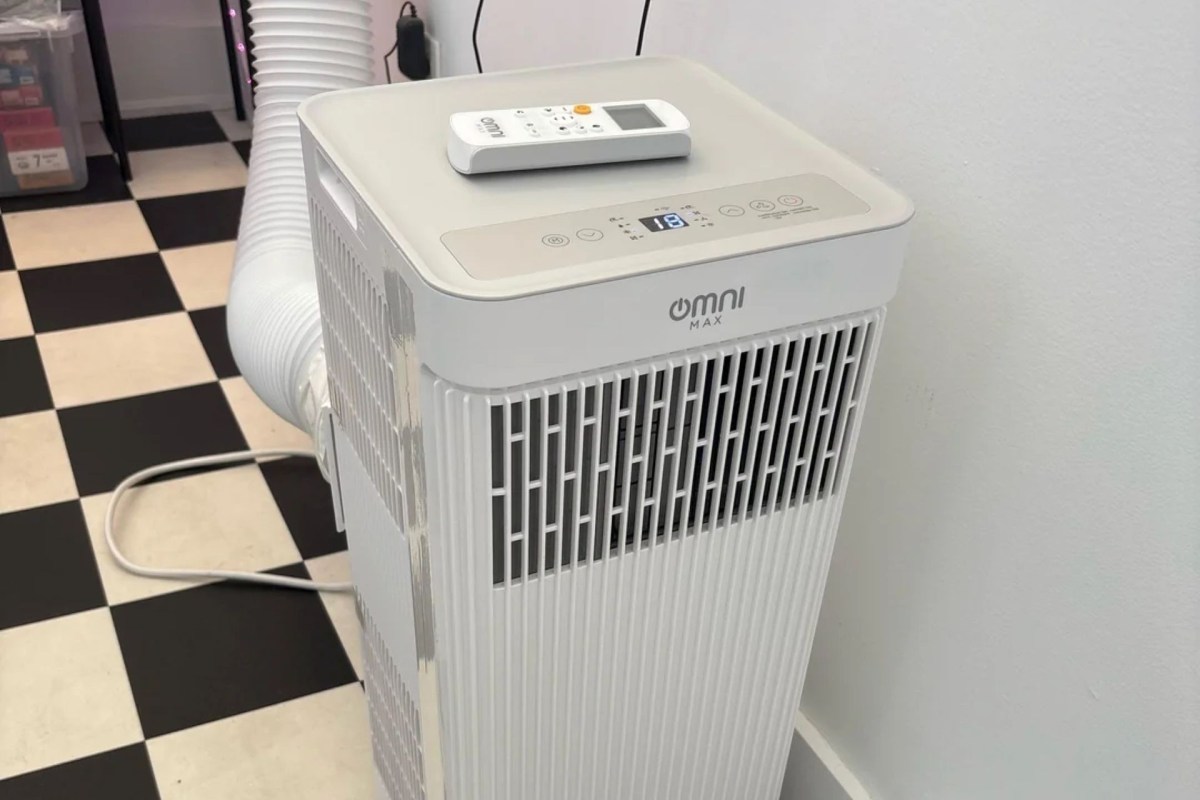
When a heat wave hits, the last thing you want to deal with is a faulty AC unit. Unfortunately, for a Reddit user, their room remained stifling even after a brand-new air conditioner ran for hours, serving as a reminder that the real problem may lie in the space around the unit, not the machine itself.
What happened?
The user said the old unit still ran, but "the air isn't super cold."
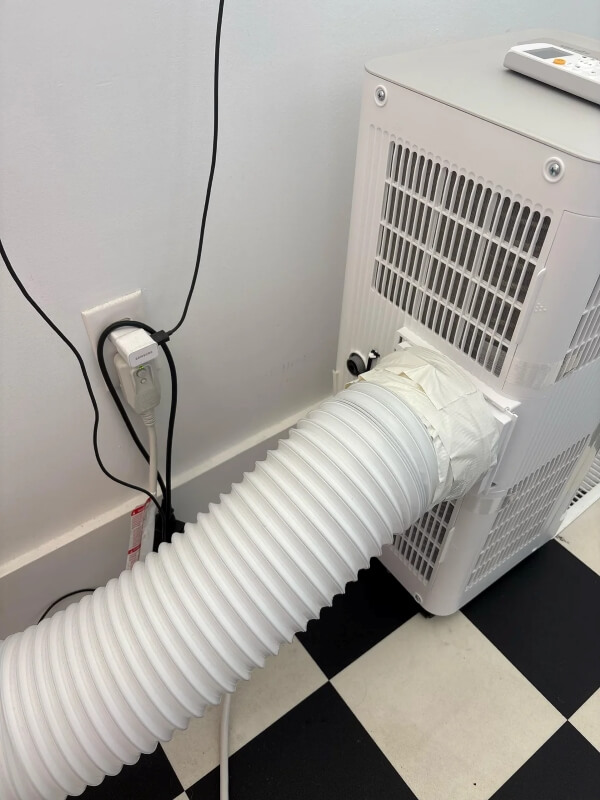
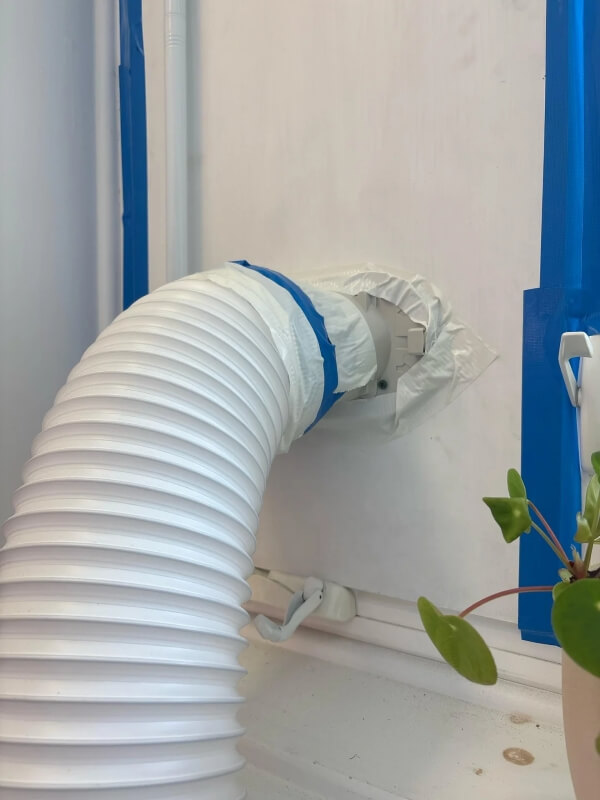
Instead of bringing relief, the replacement AC had already been running for two hours on snowflake mode with the fan at its highest setting, and the room was still sweltering. Problems like that are often blamed on a faulty machine, even though poor insulation, air leaks, direct sun exposure, blocked airflow, or a unit that is too small for the space may actually be responsible.
Heat pumps are also worth considering for anyone dealing with repeated cooling headaches. They are significantly more energy-efficient than traditional HVAC systems, provide both heating and cooling, and can unlock tax credits, rebates, and long-term savings on utility bills; shoppers can compare options through EnergySage's Heat Pump Marketplace.
For people who only need to control one hot room, Merino offers single-room, ultra-efficient HVAC systems at a lower price point.
Why does it matter?
When a room stays hot, the effects go beyond discomfort. The user said the heat was bad enough to disrupt work.
The user said, "I've had to cancel my appointments because it's too hot to be in here".
An undersized or poorly placed AC can run nonstop, driving up electricity use without delivering much relief. Even simple fixes such as weatherstripping, blackout curtains, cleaning filters, or moving heat-producing devices out of the room can improve performance and help avoid wasting money month after month.
Crushed by your bills? See instant solar savings from vetted installers in just a few clicks With energy prices through the roof, there's never been a better time to go solar — and EasyHome can help you find the best prices from the best installers in your area. EasyHome takes the guesswork and headaches out of energy upgrades by showing you estimated savings from a network of vetted local partners. To get started, just enter your ZIP and share a few details about your home — seeing your estimate is really that easy. |

What can I do?
In many cases, the cheapest "hack" is a short checklist before replacing equipment again: Measure the room, confirm the unit's BTU rating, make sure the filter is clean, check that vents and coils are unobstructed, and seal gaps around windows and doors. Those steps can cost far less than purchasing another appliance.
Homeowners interested in reducing long-term energy costs can also use EnergySage, which offers a free solar quotes comparison tool.
And for anyone considering a larger HVAC upgrade, EnergySage's Heat Pump Marketplace can help you compare systems that may lower heating and cooling costs over time while improving comfort in hard-to-condition rooms.

Get TCD's free newsletters for easy tips, smart advice, and a chance to earn $5,000 toward home upgrades. To see more stories like this one, change your Google preferences here.






