


Communities across Wisconsin are getting a financial boost in the long fight against PFAS, the so-called "forever chemicals" that can linger in drinking water for years.
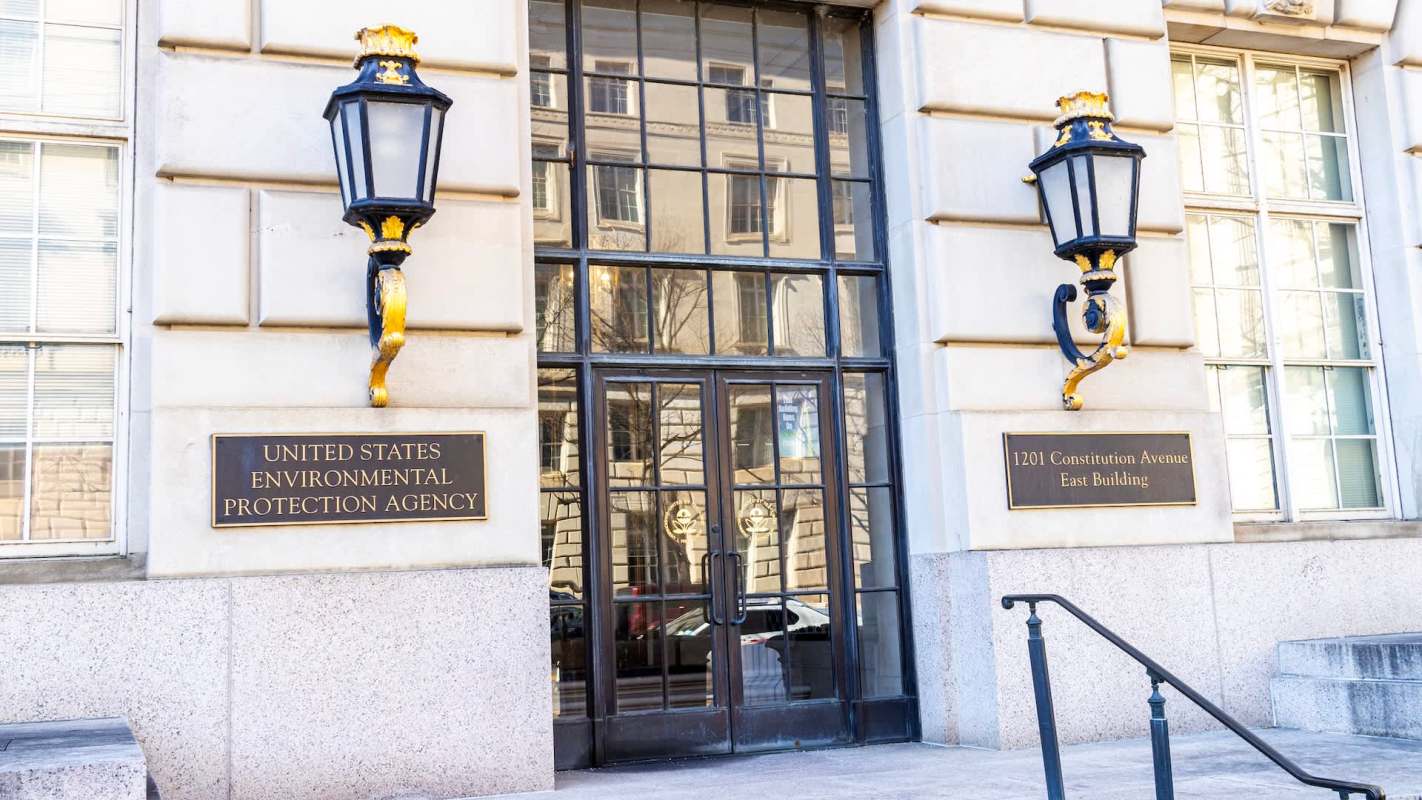
The Environmental Protection Agency has directed $15.37 million to the state, offering help to communities, drinking water systems, and private well owners still dealing with costly contamination problems.
According to Wausau Pilot & Review, the federal grant funding can be used across Wisconsin by communities, drinking water systems, and private well owners for testing, planning, and infrastructure projects aimed at reducing PFAS contamination.
In Marathon County, that money could be especially important. Several communities have spent years responding to PFAS issues, with Wausau, Rothschild, Weston, and Rib Mountain all taking steps to protect their water supplies.
Wausau first found PFAS in its wells during voluntary testing in 2019. The city ultimately installed an approximately $17 million granular activated carbon system as a long-term fix, but that solution came with a major price tag, as reported by Wausau Pilot & Review.
Neighboring communities are still working through similar challenges. Rothschild and Weston have taken contaminated wells offline and are building or have finished treatment systems,. Meanwhile, two of four municipal wells in Rib Mountain tested positive for PFAS, and it has moved to filter the chemicals from its water.
TCD Picks » Quince Spotlight
💡These best-sellers from Quince deliver affordable, sustainable luxury for all




When contamination shows up in a local water system, communities often have to move quickly to test water, shut down wells, and install expensive treatment equipment. Wausau has shown how financially painful that can be.
To pay for its filtration system, the city borrowed heavily, and the cost landed on ratepayers. Water rates for about 40,000 residents more than doubled over five years, with the average annual bill increasing from roughly $229 in 2021 to around $448 in 2024, according to Wausau Pilot & Review.
That makes the EPA funding especially significant. If more communities can tap federal dollars for testing and treatment, residents may be less likely to shoulder the full burden through higher utility bills or emergency local spending.
The stakes may be even higher for households that rely on private wells. Unlike city residents connected to a municipal treatment system, private well owners may have fewer built-in protections when contamination is detected nearby.
There is also a legal effort underway to recover cleanup costs. According to Wausau Pilot & Review, Wausau joined a class action case in December 2023 against chemical makers and insurers, and the city has since received about $2.96 million in a Phase One payment tied to a national 3M settlement.
Meanwhile, scrutiny is intensifying around 3M's Wausau Greystone site on Decator Drive. The outlet noted that 3M reported a PFAS hazardous substance discharge at that site to the Wisconsin Department of Natural Resources. The DNR sent 3M a formal Responsible Party letter in March 2025, and a nearby-residents class action case is headed toward a 2027 trial.
For people living near suspected contamination, especially private well owners, the grant program could offer a practical path to testing and support. It may also be worth reviewing local water quality notices and learning more about how PFAS can affect household water and what water filters can and cannot remove.
The new EPA funding could help Wisconsin communities speed up testing for "forever chemicals," expand treatment, and reduce the odds that families are left paying the full price for safe drinking water.

Get TCD's free newsletters for easy tips, smart advice, and a chance to earn $5,000 toward home upgrades. To see more stories like this one, change your Google preferences here.






