


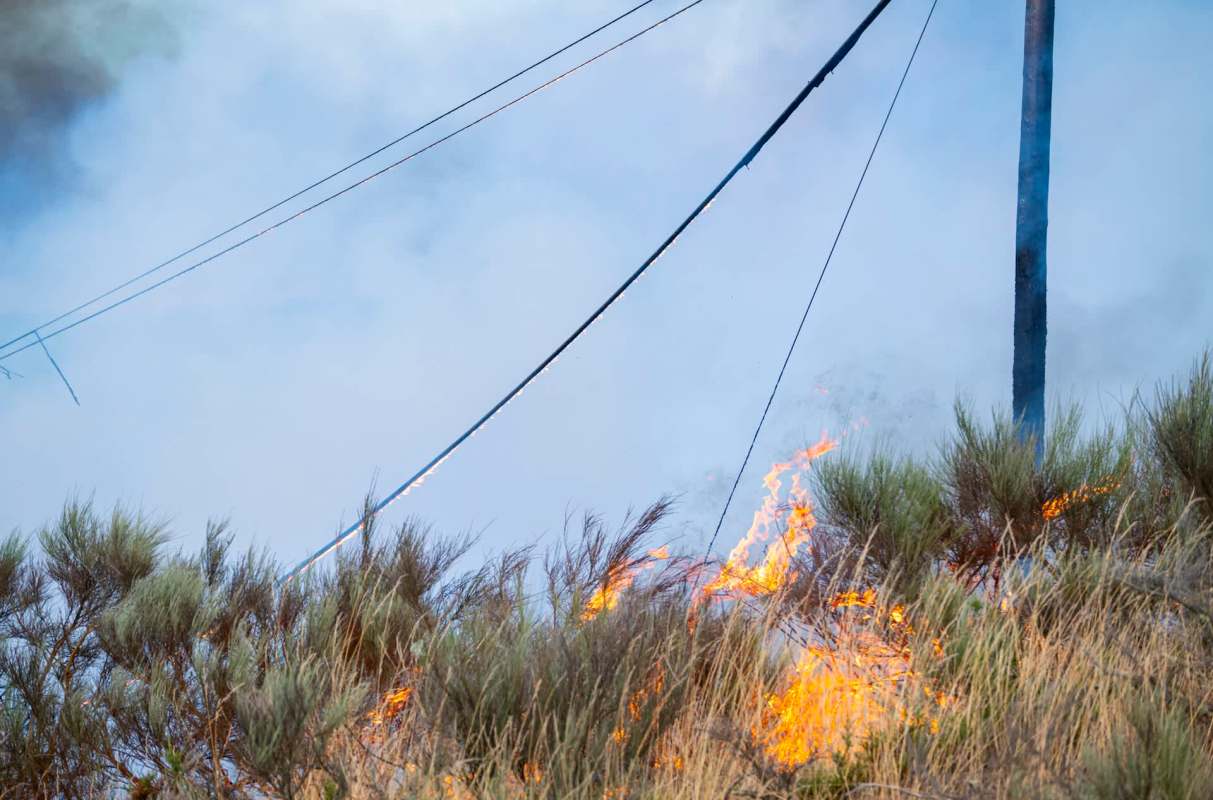
Across North America, summer now often brings two familiar warnings: smoke in the air and evacuation notices. For electric utilities, those crises raise questions about whether signs of ignition risk could have been spotted before a fire started.
As wildfire seasons grow more severe, scrutiny of utility decision-making is rising too. Attention is shifting beyond fallen lines and dry brush to the methods companies use to spot and forecast risks before they turn into emergencies.
Here's what to know
The industry's wildfire strategy is moving into a new stage. After years spent making the grid physically tougher, utilities are putting more emphasis on tools that can predict trouble, surface hazards early, and help operators act faster, Utility Dive reported.
Before this shift, utilities committed billions of dollars to projects designed to reduce ignition risk from power equipment and vegetation contact. The work included burying lines, covering conductors, managing vegetation, sectionalizing the grid, and developing protection settings.
Even so, building resilience in these ways can only go so far. Those projects are costly, take years to complete, and are not practical on every mile of line in each high-risk area. As Utility Dive put it, "the industry is approaching" the financial limit of that approach.
With that reality in view, utilities are facing questions about detection: whether warning indicators appeared before ignition, whether staff identified them, and whether action came soon enough.
TCD Picks » Quince Spotlight
💡These best-sellers from Quince deliver affordable, sustainable luxury for all




More background
Those questions carry consequences far beyond utility boardrooms. When wildfires are linked to grid equipment, the fallout can include legal liability and higher costs that affect ratepayers.
Wildfires can destroy homes, blanket communities in dangerous smoke, cause evacuations, and disrupt work. Even when flames never reach a neighborhood, power shutoffs and other emergency measures can disrupt daily life for hours or even days.
Early warnings have become a priority. If utilities can detect abnormal line behavior, shifting weather conditions, equipment stress, or ignition risk in a timely fashion, they may be able to de-energize certain areas, dispatch crews quickly, and stop a small incident from becoming a fast-moving disaster.
More precise detection could also make emergency shutoffs less disruptive. Rather than cutting power across a whole district when only a small section is at risk, utilities could pinpoint danger, limiting outages to those areas. This is important not only since fewer people would lose power but also because some people rely on electricity for life-saving medical equipment and air conditioning.
"The big question anyone watching asks is, 'What early warning was there before ignition, and did they act on it?'" Utility Dive stated.
What's being done?
Utilities are increasingly layering digital tools onto the physical wildfire protections they have already built. That can include sensors, weather models, real-time equipment monitoring, and systems that flag unusual conditions before they escalate.
That strategy offers precision. Rather than relying on broad shutoffs or yearslong infrastructure projects, utilities may be able to make targeted decisions about where risk is rising and where action is urgently needed.
That does not mean hardening efforts are going away. Vegetation management, line upgrades, and isolating parts of systems remain central to wildfire mitigation. But the industry appears to be treating those efforts as a foundation rather than a solution.
The real-world impact could mean safer grids, fewer preventable ignitions, and greater confidence that emergency actions are guided by real-time risk rather than precaution.
Utilities are increasingly being evaluated on how quickly they can recognize escalating danger and respond as well as physical upgrades.

Get TCD's free newsletters for easy tips, smart advice, and a chance to earn $5,000 toward home upgrades. To see more stories like this one, change your Google preferences here.






