


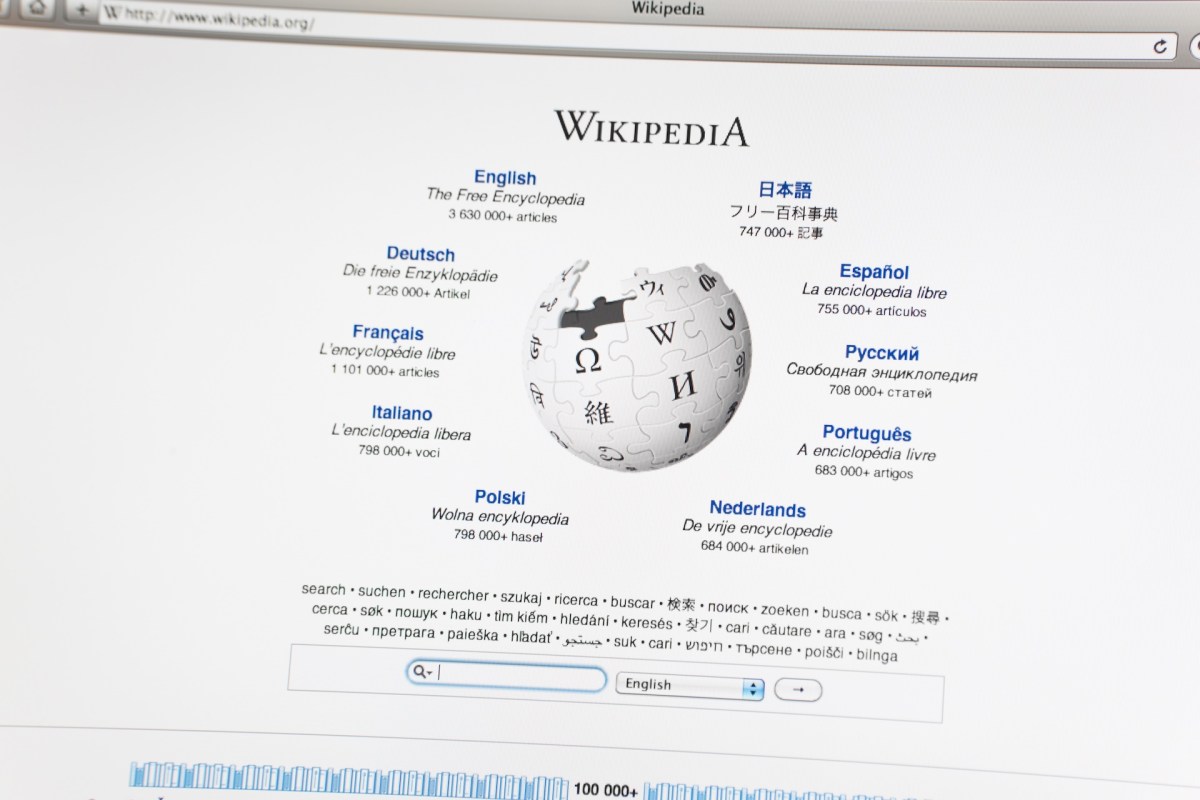
Wikipedia has decided to ban AI-generated content from its platform, according to a report from Unilad Tech. The decision reflects skepticism about the reliability of AI in generating accurate and unbiased content.
What's happening?
Wikipedia's community policies now prohibit the use of AI-generated text, with only two exceptions. This stance stems from concerns about the potential for AI to produce biased or incorrect information.
Proposals for an all-encompassing guideline on the use of large language models (LLM) have previously failed due to the nuance and complexity that come with regulating AI. A singular community guideline could not sufficiently address all issues associated with LLMs, as noted by Wikipedia administrator Chaotic Enby.
Currently, AI is permitted on Wikipedia only for grammar checks and draft translations, provided human editors verify the final content for accuracy and are fluent in both languages if using an AI tool for translations. This policy applies specifically to the English version of Wikipedia.
Why is regulation for AI-generated content important?
AI-generated content raises broader concerns as technology continues to evolve. Although LLMs, like ChatGPT, have achieved remarkable progress, it still struggles to produce consistent and reliable outputs across varied contexts. Wikipedia values the careful verification process that human editors provide to maintain its high standards.
Furthermore, as digital dependence grows, safeguards against misinformation become increasingly vital. This is particularly relevant as AI embeds itself into various sectors, raising questions about security and the potential for misuse.
AI's relationship with the energy grid is another complex issue. While AI can optimize clean energy systems and improve efficiency, it also poses risks, such as increased energy and water consumption, which can increase utility rates for residents in the surrounding area.
What's being done about regulation for AI-generated content?
Wikipedia's ban on AI-generated content is a step in the right direction for industry regulation, as it keeps AI more in the category of "useful and time-saving tool" than "full replacement for human work."
As more people become aware of the severe consequences associated with excessive AI use, lawmakers must take notice of growing public sentiment and concerns.
Fortunately, some government officials are beginning to implement comprehensive laws to regulate generative AI, a sign of what is to come as the industry continues to rapidly expand.
TCD Picks » Quince Spotlight
💡These best-sellers from Quince deliver affordable, sustainable luxury for all




|
Which of these savings plans for rooftop solar panels would be most appealing for you?
Click your choice to see results and earn rewards to spend on home upgrades. |
 Save $1,000 this year 💸
Get TCD's free newsletters for easy tips to save more, waste less, and make smarter choices — and earn up to $5,000 toward clean upgrades in TCD's exclusive Rewards Club.
Cool Picks




