


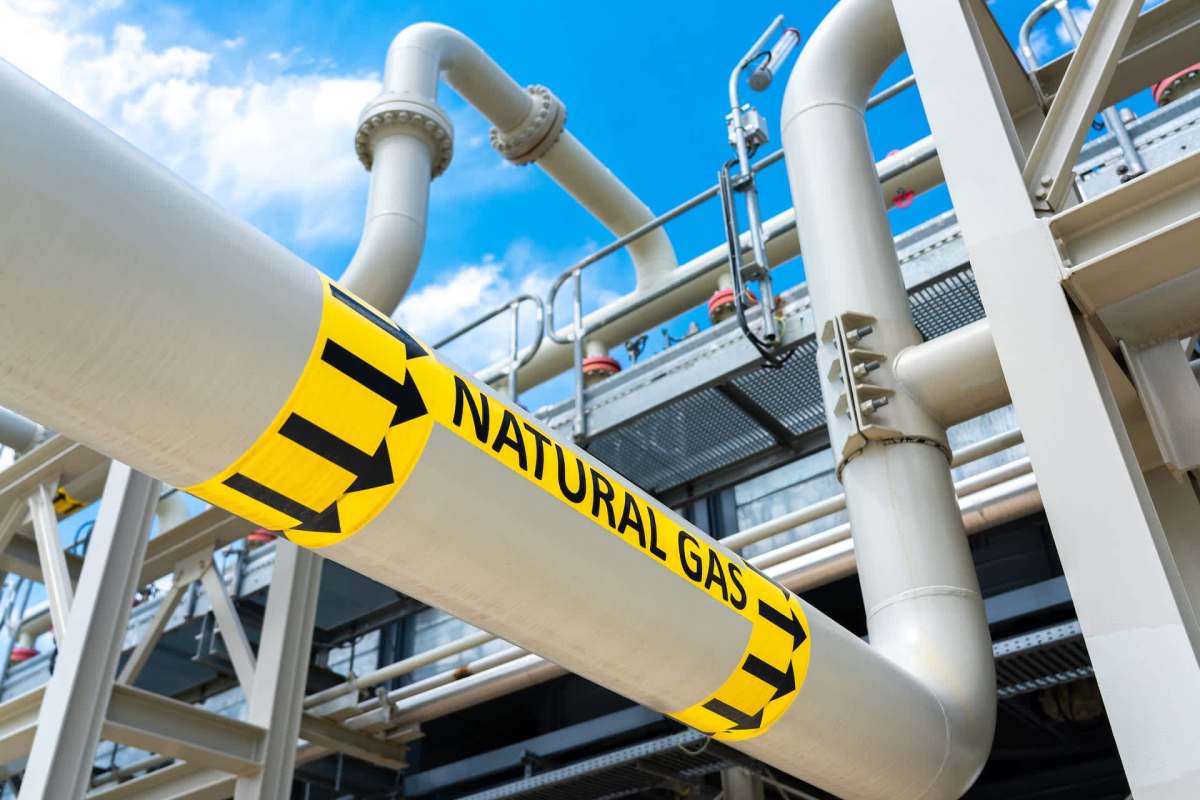
Texas Gov. Greg Abbott announced state-backed financing for a new natural gas power project in West Texas. Officials say the Reeves County plant will add more than 450 megawatts of electricity to the grid, enough to power roughly 110,000 homes.
Here's what to know
The Reeves County project, developed by Pecos Power Plant LLC with co-sponsors Mercuria and Continental Resources, marks the ninth finalized loan under the Texas Energy Fund's In-ERCOT Generation Loan Program. Abbott said the Public Utility Commission of Texas has completed the agreement with the company, and the plant is expected to begin supplying the Electric Reliability Council of Texas power region in 2027, according to the governor's office.
"Texas is the energy capital of the world because we build the power our economy needs," Abbott said, adding that the loan "fortifies the grid for Texas homes and businesses."
Policymakers in the state have increasingly focused on natural gas as a power source that can be called on during periods of high demand, especially as Texas continues to permit data center developments.
More background
Eight other projects had already been approved through the same Texas Energy Fund program. Together, those projects account for 4,994 megawatts of new power, and the Reeves County facility would increase that pipeline.
Public Utility Commission of Texas Chairman Thomas Gleeson said, "With quick start capabilities to meet fluctuating demand and a design suited for West Texas winters, this facility will add a dependable source of power for Texas families and businesses."
TCD Picks » Quince Spotlight
💡These best-sellers from Quince deliver affordable, sustainable luxury for all




Texas continues to finance new natural gas projects, even as the economy shifts toward cleaner energy and environmental groups and investors denounce fossil fuel developments in the state. In 2026, the state leads the nation for the most planned natural gas pipeline capacity additions, bringing just under 12 billion cubic feet per day of new pipeline capacity online, according to an analysis from the U.S. Energy Information Administration.
The push for more natural gas infrastructure in Texas can be attributed to the soaring electricity demand from the state's over 400 data centers, as detailed by the U.S. Data Center Tracker.
Across the state, residents are growing more and more concerned about the impacts these data centers have on power, water, and their quality of life. Beyond the energy rate concerns locals have expressed as new data centers crop up around them, there is a health concern, too.
Despite its docile name, natural gas releases pollution that contributes to soot and ozone in the air, which puts children, seniors, and those with disabilities at a greater risk in their everyday lives. It also contributes to more intense weather disasters, like Hurricane Harvey in 2017, which wreaked Katrina-level havoc.
"Moving forward with the proposed gas plants jeopardizes our health, our planet, and the well-being of future generations," said Luke Metzger, executive director of Environment Texas Research & Policy Center.
What's being done?
Through the In-ERCOT Generation Loan Program, Texas is providing low-interest financing to help move projects forward. The Public Utility Commission of Texas finalized one of those agreements with Pecos Power Plant LLC and its co-sponsors, and the facility is expected to begin supplying the ERCOT region in 2027.
Gleeson said the plant's quick-start design is intended to provide dispatchable power in West Texas when demand shifts and grid operators need additional supply.
Even as market momentum increasingly favors cleaner energy technologies and the companies built around them, the project reflects continued reliance on gas for near-term reliability.
"Texas has been a national leader in clean energy, we should be accelerating down that path rather than locking ourselves into more years of dirty fossil fuel pollution," Metzger remarked.
Where can I learn more?
Utilities, governments, and energy companies are still making big bets on grid infrastructure and fuel choices.
• In Massachusetts, utilities poured $100M into gas lines even after 10 communities went fossil fuel free.
• In Texas, Orsted completed a solar project and donated protected grassland habitat nearby.
• Major oil companies are shifting back toward fossil fuels as clean energy returns lag.
• In Wisconsin, officials approved a massive solar project expected to power about 200,000 homes.
• In Arkansas, developers launched a $130 million battery project to steady the grid.

Get TCD's free newsletters for easy tips, smart advice, and a chance to earn $5,000 toward home upgrades. To see more stories like this one, change your Google preferences here.






