


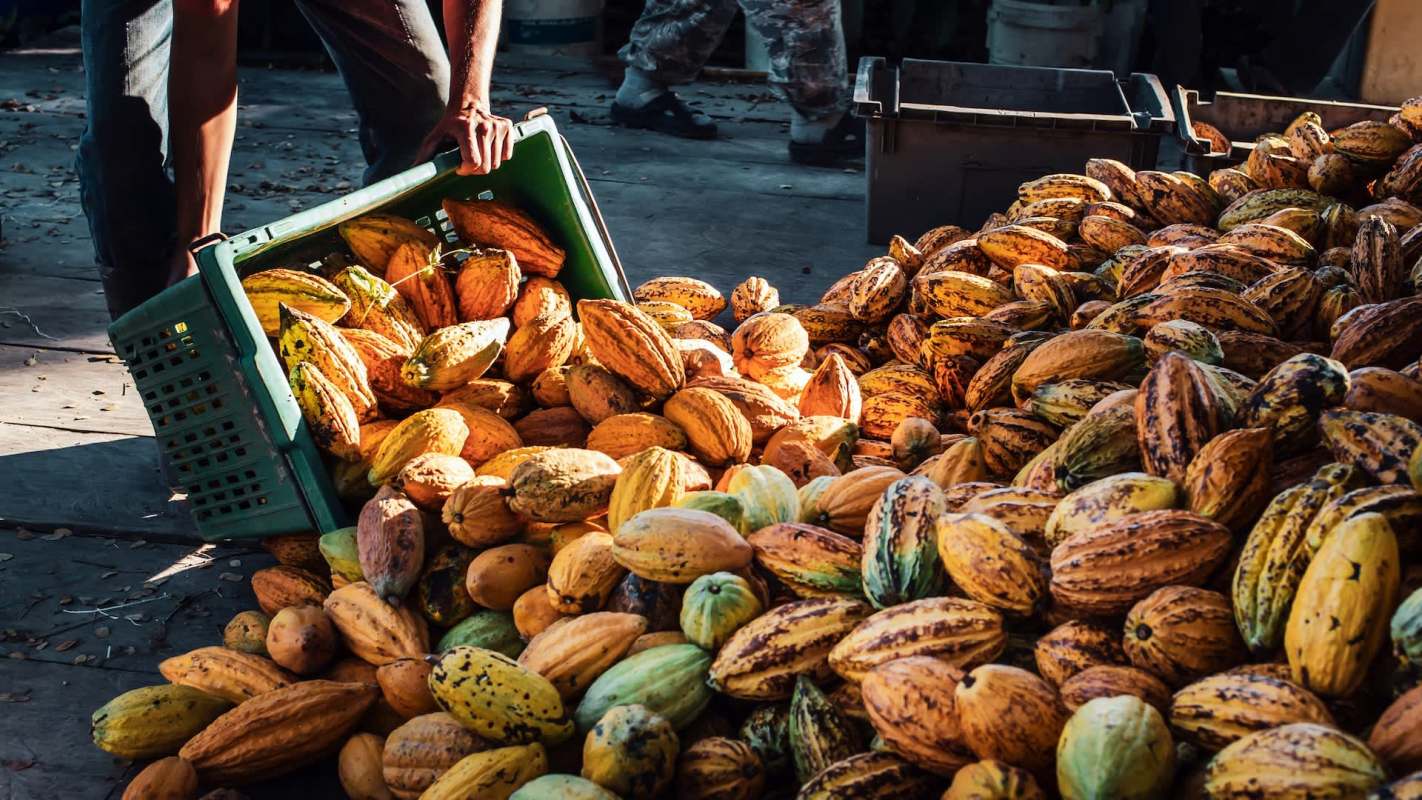
A retreat in cocoa costs is giving chocolate makers some breathing room after a brutal run-up in prices, but consumers should not expect cheaper candy bars just yet.
Even with cocoa well below its late-2024 high, the biggest confectionery companies are choosing premium offerings and heavy digital promotion over widespread price reductions.
What's happening?
After topping out near $12,000 per metric ton ($10,886 per ton) in late 2024, cocoa futures recently fell to about $5,327 per metric ton ($4,834 per ton), a 34% decline over the past year, Arise News reported.
Even so, that pullback leaves cocoa far above the roughly $2,000 to $3,000 per metric ton ($1,814 to $2,722 per ton) range that was common for much of the last two decades.
A major factor behind the surge was poor harvests in West Africa, particularly in Côte d'Ivoire and Ghana, which together account for about 60% to 70% of global cocoa production.
Researchers, including Dr. Tanya Lander of the Oxford Martin School Programme on the Future of Food, said El Niño-related heat, dry conditions, and erratic rainfall — along with mounting climate pressures — were central to the supply squeeze.
TCD Picks » Quince Spotlight
💡These best-sellers from Quince deliver affordable, sustainable luxury for all




Consumers soon felt the impact as those costs were passed through.
Lindt Group Chief Executive Officer Adalbert Lechner said, "Record cocoa prices required unprecedented price increases across the industry, while geopolitical uncertainty, inflation and weak consumer sentiment weighed on demand."
At Lindt, companywide prices rose 11.8%, and first-half chocolate sales volumes then dropped 7.5%.
Barry Callebaut reported that global chocolate consumption fell 4.4% in the third quarter from a year earlier, while Nestlé said high cocoa and coffee costs cut its underlying trading operating profit by 2.8% in the first half.
Why does it matter?
Lower cocoa prices do not automatically translate into cheaper chocolate at the checkout line.
Manufacturers are still dealing with high production costs, and many seem more intent on defending profit margins than rolling out broad price cuts.
The episode is also a reminder of how exposed the global food system is to climate disruption. When most of the world's cocoa comes from only a few places, heat waves, drought, and unpredictable rainfall in those regions can upend supply and lift prices worldwide.
Barry Callebaut said another strong El Niño in 2026 and 2027 could put supplies under pressure again, although a projected 2025-2026 global cocoa surplus may provide some support for now.
That means climate-driven supply shocks can keep food bills elevated even after the steepest part of a price surge is over.
What's being done?
To rebuild demand, major chocolate companies are looking beyond simple price increases and leaning on product launches, a wider spread of price points, and more targeted marketing, according to Arise.
For the Christmas season, Lindt has selectively lowered prices in markets such as Germany and Switzerland while still trying to maintain its premium positioning.
Companies are also taking steps to reduce their exposure to future market swings.
UBS analysts say Lindt has hedged cocoa for 2027 at favorable levels, which could lower costs if the market tightens again.
At the same time, manufacturers are trying to reach younger consumers through social media platforms and products built around online trends.
Following online excitement around Dubai-style chocolate, Lindt introduced its own bar in that style, while Nestlé said it plans to increase its focus on influencer-led campaigns and digital advertising.
"The extraordinary success of our Dubai Style Chocolate launch demonstrated the growing power of social media in building awareness, engagement, and demand for our brands," Lechner said.
Nestlé Chief Executive Officer Philipp Navratil described the company's next strategy this way: "More digital, more social, more organic, more fun. Tapping into how younger consumers engage with the world."

Get TCD's free newsletters for easy tips, smart advice, and a chance to earn $5,000 toward home upgrades. To see more stories like this one, change your Google preferences here.






