


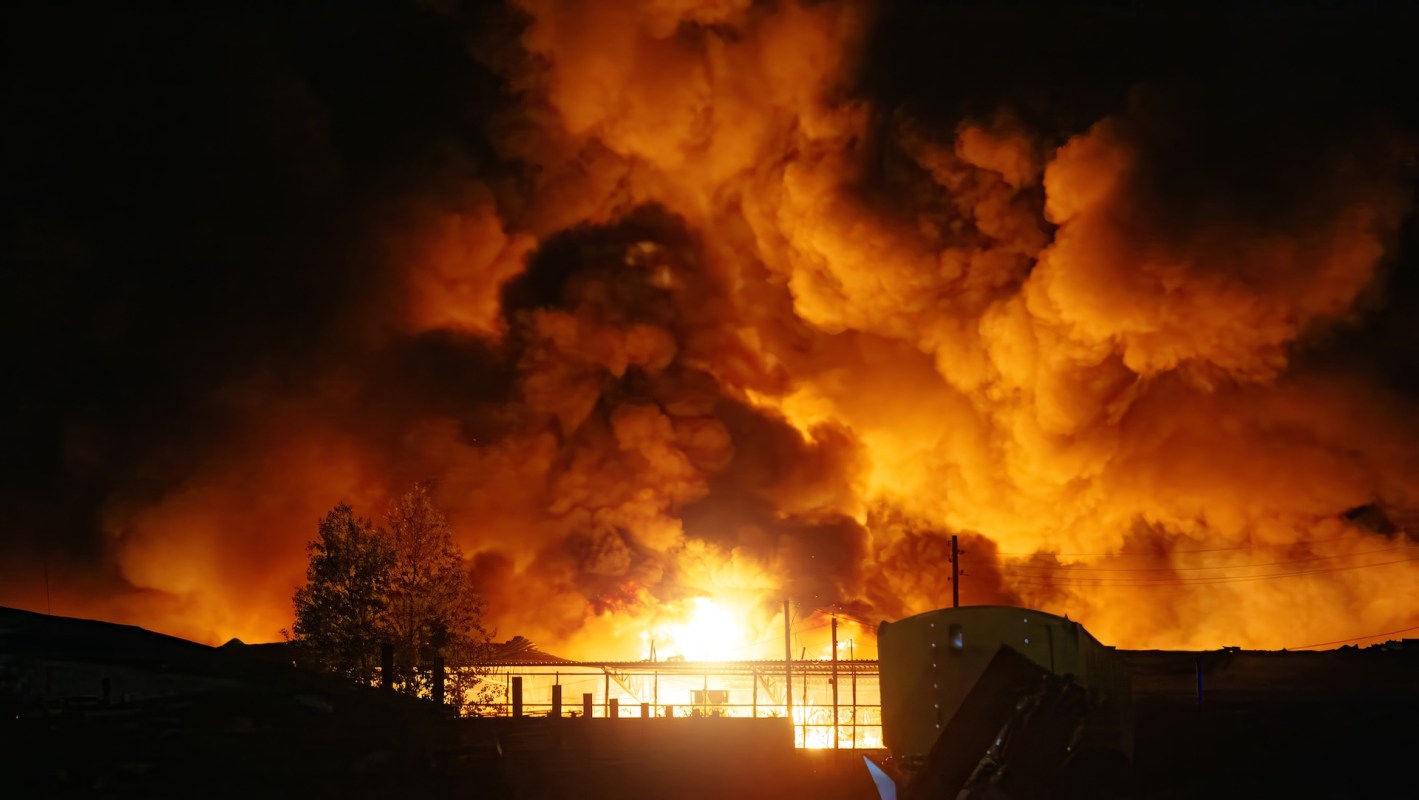
A Southern California warehouse fire resulted in criminal sentencing for Virgin Scent and three of its executives after prosecutors said the company's handling of hazardous waste worsened an already dangerous situation.
As Patch reported, authorities said hand sanitizer from the burned Carson facility was illegally pumped into storm drains, polluting a nearby waterway and contributing to months of problems for local residents.
What happened?
The 2021 Carson warehouse blaze led to environmental criminal charges. The Los Angeles County District Attorney's Office announced that Virgin Scent and executives Yaakov Nourollah, Akiva Nourollah, and Yehuda Nourollah resolved the case by entering no-contest pleas to felony and misdemeanor counts.
Each defendant pleaded no contest to five charges: a felony count for disposing of hazardous materials, a misdemeanor count for reckless storage of hazardous materials, and three misdemeanor allegations involving the unlawful deposit of hazardous materials, a Clean Water Act violation, and failure to report the discharge after the fire.
At the center of the case was the Sept. 30, 2021, fire. Patch reported that prosecutors said alcohol-based hand sanitizer had been stored there improperly and that, after the blaze, the remaining sanitizer was discharged into the city storm drain system and reached the Dominguez Channel.
"Businesses that handle hazardous materials have a legal and societal obligation to protect our communities and our environment," Los Angeles County District Attorney Nathan J. Hochman said. "These defendants failed in that responsibility before, during, and after this devastating fire."
TCD Picks » Quince Spotlight
💡These best-sellers from Quince deliver affordable, sustainable luxury for all




The pleas and sentencing were entered Friday in Department H of the Compton Courthouse. Virgin Scent and the three executives each received two years of formal supervised probation, a suspended one-year county jail sentence, and 75 hours of community labor. Restitution will be addressed at a later hearing.
Why does it matter?
Prosecutors said that the discharged material contributed to a rotting-egg odor that persisted for months and affected thousands of nearby residents.
Improper storage of hazardous materials can make warehouse fires more intense and more difficult to control. For first responders, a large warehouse blaze already carries significant danger.
Storm drain systems are not built to handle industrial waste, so chemicals released into them can damage nearby waterways and surrounding ecosystems.
"Their actions endangered first responders, harmed the environment, and impacted thousands of nearby residents," Hochman said.
What's being done?
Restitution could address at least some of the harm residents experienced from the odor and pollution.
The saga illuminates that companies that store or use hazardous materials can face criminal consequences when they fail to follow rules for storage, disposal, or post-emergency reporting.
Hochman said he hoped the punishment served as an example for others that might go down the same road.
"They have now suffered the criminal consequences for their illegal actions, which should serve as a deterrent to other companies and corporate executives of the penalties they may face if they choose profits over following laws designed to protect the environment and their communities," he said.

Get TCD's free newsletters for easy tips, smart advice, and a chance to earn $5,000 toward home upgrades. To see more stories like this one, change your Google preferences here.






