


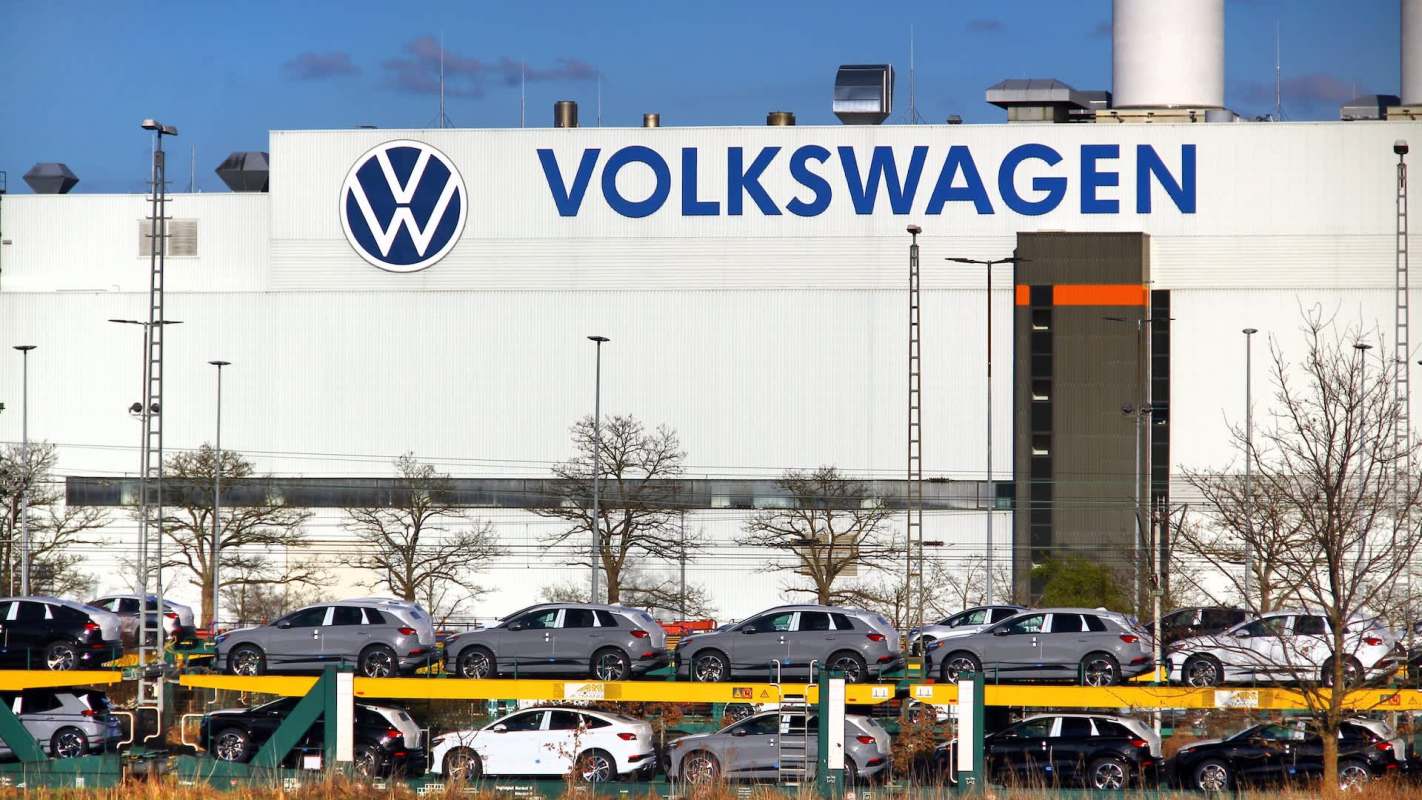
Volkswagen decided to delay a fully electric Golf, and now Chinese EV maker Xpeng is reportedly exploring a factory deal in Germany.
That timing has sparked a fresh round of debate over how quickly the auto industry is shifting, and who could benefit if legacy automakers leave production capacity sitting idle.
What's happening?
A video from The Electric Viking (@electricviking) spotlighted two developments moving in very different directions: Volkswagen pushing back the timeline for an EV version of its iconic Golf hatchback, and Xpeng reportedly discussing the purchase of a German factory as it works to expand European production.
In his video, Sam Evans says Volkswagen "is not taking seriously the electrification" of the Golf. He also notes that Xpeng is looking for a manufacturing base in Europe to avoid steep EV tariffs and accelerate its regional growth. Xpeng executive Elvis Chang reportedly described some Volkswagen plants as "a little bit old."
The report is getting attention in part because Volkswagen has already invested in Xpeng and has publicly acknowledged that it is evaluating how to use excess factory capacity in Europe as it restructures.
Why does it matter?
For drivers, increased EV competition in Europe could eventually translate to lower prices, more choices, and a faster rollout of new models. European manufacturing can also reduce shipping costs and help automakers respond more quickly to demand.
TCD Picks » Quince Spotlight
💡These best-sellers from Quince deliver affordable, sustainable luxury for all




For anyone considering the switch, EVs can also help cut ownership costs. They typically save drivers money on fuel and generally require less routine maintenance because they do not need oil changes and have fewer moving parts. You can learn more here.
There are also practical ways for drivers to save even more with an EV. Charging at home is often much cheaper than relying on public charging. Pairing an EV with rooftop solar can bring costs down even further, since using your own electricity is typically cheaper than public charging or pulling power from the grid.
What are people saying?
The story also highlights a broader shift across the auto industry. Legacy automakers are facing mounting pressure to electrify more quickly, while newer EV-focused companies are moving aggressively to capture market share. That dynamic can shape jobs, supply chains, and the pace at which cleaner transportation becomes more widely adopted.
Commenters on the video were blunt about what the development could mean for Volkswagen.
One wrote, "VW is going down the drain." Others praised Sam for his earlier warnings about legacy automakers' slow EV transition.
Whether or not a deal goes through, the reactions show how closely people are watching the balance of power in the global EV race.

Get TCD's free newsletters for easy tips, smart advice, and a chance to earn $5,000 toward home upgrades. To see more stories like this one, change your Google preferences here.






